Yoruba Bronze and Terracotta Art – The Masterpieces of Ife
Introduction
Among the greatest artistic achievements in human history are the bronze and terracotta sculptures produced by the Yoruba people of Ile-Ife. Celebrated for their realism, technical sophistication, and aesthetic beauty, these masterpieces have astonished scholars, artists, historians, and archaeologists for more than a century.
When many of the sculptures were first discovered, some foreign observers found it difficult to believe they had been created in pre-colonial Africa because of their extraordinary craftsmanship. Today, however, the works of Ife are universally recognized as evidence of one of the world’s most advanced artistic traditions.
The bronze and terracotta sculptures of Ife reveal a civilization that possessed remarkable technical skills, deep spiritual beliefs, complex political institutions, and a sophisticated appreciation of beauty. They provide invaluable insights into Yoruba history and stand among Africa’s most important cultural treasures.
This article explores the origins, techniques, symbolism, discoveries, and global significance of Yoruba bronze and terracotta art.

Ile-Ife: The Cradle of Yoruba Civilization
To understand Ife art, one must first understand the importance of Ile-Ife itself.
Ile-Ife occupies a unique place in Yoruba culture.
It is regarded as:
- The ancestral homeland of the Yoruba people
- A sacred city
- A spiritual center
- A historical kingdom
For centuries, Ife served as a major center of religion, politics, commerce, and artistic production.
Its cultural influence extended across Yorubaland and beyond.
The Artistic Heritage of Ife
The artistic achievements of Ife developed over many centuries.
Artisans created works in:
- Terracotta
- Bronze
- Brass
- Stone
- Beads
These creations served religious, political, and cultural purposes.
Their sophistication reflects the wealth and organization of the society that produced them.
Discovery of the Ife Sculptures
The modern world became increasingly aware of Ife’s artistic treasures during the twentieth century.
Archaeological discoveries revealed numerous sculptures of extraordinary quality.
These findings attracted international attention.
Scholars quickly recognized that the artworks challenged many assumptions concerning African history and artistic achievement.
The discoveries transformed global understanding of African civilizations.
Early Reactions to the Discoveries
Many early observers were astonished by the realism of the sculptures.
Some foreign scholars initially questioned whether Africans could have produced such works.
These misconceptions reflected colonial-era prejudices rather than evidence.
Subsequent research firmly established the Yoruba origins of the sculptures.
Today, their African authorship is celebrated and undisputed.
The Importance of Terracotta Art
Terracotta sculptures represent some of the earliest masterpieces associated with Ife.
Terracotta is produced by shaping clay and firing it at high temperatures.
The medium allowed artists to create highly detailed figures.
Terracotta works reveal exceptional understanding of:
- Anatomy
- Proportion
- Expression
Their quality demonstrates advanced artistic knowledge.
Characteristics of Ife Terracotta Sculptures
Ife terracotta sculptures are notable for:
- Naturalistic features
- Detailed facial expressions
- Elegant proportions
- Technical precision
The artists displayed remarkable observational skills.
Their works often convey dignity, serenity, and intelligence.
These qualities contribute to their enduring appeal.
The Development of Metal Sculpture
In addition to terracotta, Ife artisans mastered metalworking.
Bronze and brass sculptures represent some of the most celebrated examples of African art.
The production of these works required:
- Technical expertise
- Specialized tools
- Skilled craftsmanship
Metal sculpture became one of Ife’s most important artistic traditions.
The Lost-Wax Casting Technique
Many Ife metal sculptures were produced using the lost-wax casting method.
This sophisticated process involves:
- Creating a wax model.
- Covering the model with clay.
- Heating the mold to remove the wax.
- Pouring molten metal into the cavity.
- Finishing and polishing the final piece.
The technique requires exceptional precision and planning.
Its successful use demonstrates advanced technological capabilities.
Technical Sophistication
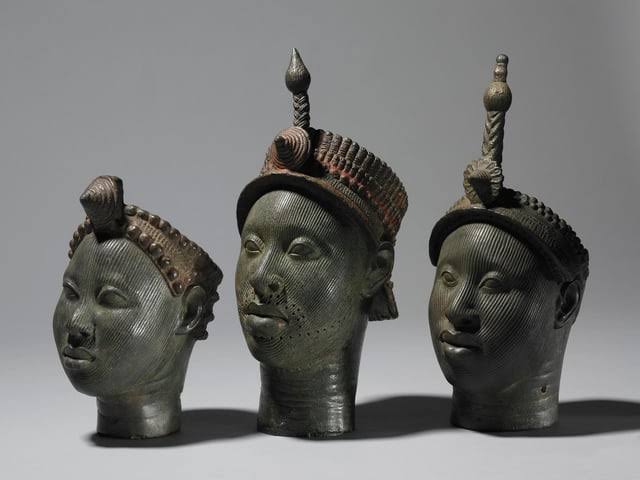
The bronze and brass heads of Ife reveal extraordinary technical mastery.
Artists achieved:
- Smooth surfaces
- Fine detailing
- Accurate proportions
- Realistic expressions
The level of craftsmanship rivals some of the finest artistic traditions in the world.
Their accomplishments remain impressive even by modern standards.
The Famous Ife Heads
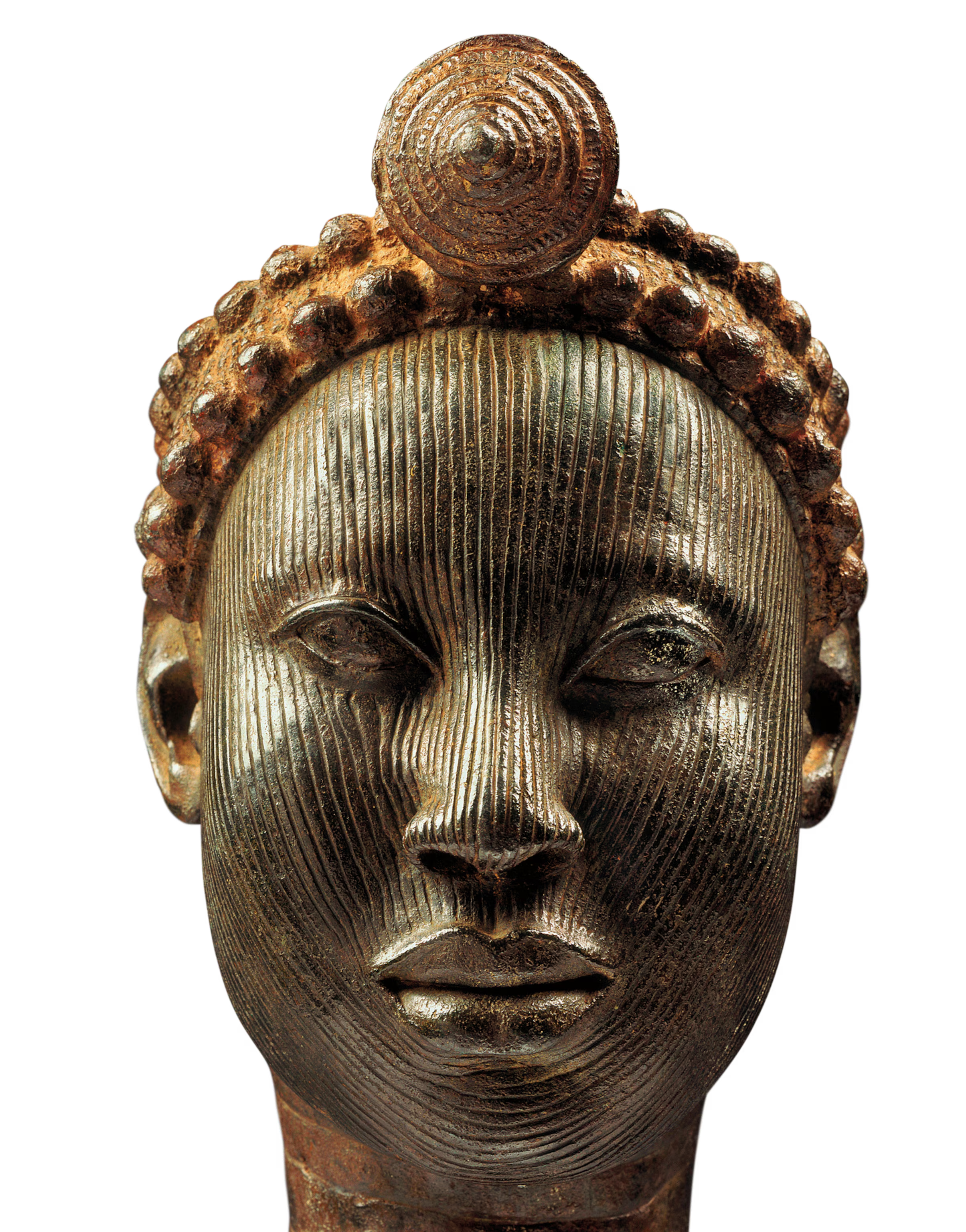
Among the most celebrated works are the life-sized bronze and brass heads discovered in Ile-Ife.
These sculptures display remarkable realism.
Features include:
- Carefully rendered facial proportions
- Detailed hairstyles
- Delicate expressions
The heads remain iconic symbols of Yoruba artistic achievement.
Realism in Ife Art
One of the most striking aspects of Ife sculpture is realism.
Unlike highly stylized traditions found elsewhere, many Ife works closely resemble human appearance.
Artists paid careful attention to:
- Facial structure
- Proportions
- Symmetry
This realism reflects sophisticated artistic observation.
It also contributes to the international admiration these works receive.
The Meaning of Facial Markings
Many sculptures display facial markings.
These markings likely reflect cultural practices associated with:
- Identity
- Lineage
- Status
Their inclusion demonstrates the artists’ commitment to accurately representing contemporary society.
The markings also provide valuable historical information.
Royal Representation
Many scholars believe some sculptures depict rulers and members of royal families.
The quality and symbolism of the works suggest connections to political authority.
Such representations may have served purposes related to:
- Commemoration
- Legitimacy
- Ritual practice
Art and governance were often closely linked in traditional societies.
Spiritual Significance
The sculptures possessed more than artistic value.
They also carried spiritual significance.
Many works were likely associated with:
- Rituals
- Religious ceremonies
- Sacred spaces
Art served as a bridge between the physical and spiritual worlds.
This relationship reflects broader Yoruba cultural beliefs.
Art and Ancestor Veneration
Some sculptures may have been connected to ancestor remembrance.
Ancestors occupy an important place in Yoruba thought.
Art provided a means of:
- Honoring the deceased
- Preserving memory
- Reinforcing continuity
These functions enhanced the cultural importance of artistic production.
Artistic Workshops
The production of sophisticated sculptures required organized workshops.
Artisans likely worked within systems involving:
- Apprenticeship
- Specialized training
- Technical instruction
Knowledge passed from one generation to the next.
This continuity helped sustain artistic excellence.
Materials Used by Ife Artists
Artists utilized a variety of materials, including:
- Clay
- Copper alloys
- Brass
- Bronze
- Stone
The selection of materials reflected both practical and symbolic considerations.
Access to such materials also indicates economic and commercial sophistication.
Trade and Artistic Production
The creation of bronze sculptures required access to metal resources.
Trade networks supplied materials that artisans transformed into masterpieces.
The relationship between commerce and art highlights the interconnected nature of Yoruba society.
Economic prosperity supported cultural achievement.
Influence on Other Yoruba States
The artistic traditions of Ife influenced numerous Yoruba communities.
Techniques and styles spread to other regions.
These influences contributed to the development of broader Yoruba artistic culture.
The legacy of Ife extended far beyond the city itself.
Relationship with Benin Art
Scholars have long examined connections between Ife and the artistic traditions of the Kingdom of Benin.
Historical interactions likely facilitated exchanges of:
- Techniques
- Ideas
- Cultural influences
Both traditions produced some of Africa’s greatest artistic achievements.
Archaeological Importance
The sculptures provide invaluable archaeological evidence.
They offer insights into:
- Political systems
- Religious practices
- Social organization
- Artistic development
As historical sources, they complement oral traditions and written records.
Their value extends beyond aesthetics.
Global Recognition
Today, Ife sculptures are admired worldwide.
They are displayed in:
- Museums
- Universities
- Cultural institutions
Their international recognition highlights the global significance of Yoruba civilization.
Millions of people encounter African history through these artworks.
Challenging Stereotypes
The discoveries at Ife challenged outdated stereotypes about Africa.
The sculptures demonstrated that sophisticated artistic and technological achievements flourished in African societies long before colonial rule.
They helped reshape scholarly understanding of African history.
Preservation Efforts
Preserving Ife’s artistic heritage remains a priority.
Conservation efforts include:
- Museum protection
- Archaeological research
- Documentation projects
- Public education
These initiatives help safeguard important cultural treasures.
Art and Cultural Identity
For many Yoruba people, the sculptures serve as symbols of cultural pride.
They represent:
- Creativity
- Innovation
- Historical achievement
The artworks strengthen connections between contemporary communities and their ancestors.
Educational Value
The sculptures continue to educate scholars and students.
They encourage study of:
- Art history
- Archaeology
- African civilizations
- Cultural heritage
Their educational importance remains immense.
Lessons from Ife Art
The artistic achievements of Ife teach valuable lessons:
- Creativity thrives in diverse cultures.
- Technical innovation is universal.
- Art preserves history.
- Cultural heritage deserves protection.
- African civilizations made profound contributions to world culture.
These lessons remain relevant today.
The Enduring Legacy of Ife Art
Centuries after their creation, the sculptures of Ife continue to inspire admiration.
Artists, historians, and visitors remain captivated by their beauty and sophistication.
Their legacy transcends time and geography.
They remain among humanity’s greatest artistic achievements.
Conclusion
The bronze and terracotta masterpieces of Ile-Ife stand among the finest works of art ever created. Through exceptional craftsmanship, technical innovation, and aesthetic vision, Yoruba artists produced sculptures that continue to astonish and inspire the world.
These works reveal the sophistication of Yoruba civilization and provide valuable insights into its political, spiritual, and cultural life. Their realism, beauty, and symbolic richness have secured them a place among the greatest artistic treasures of humanity.
Today, the masterpieces of Ife serve as enduring reminders of Africa’s rich cultural heritage and the extraordinary creativity of the Yoruba people. Their legacy continues to illuminate the past while inspiring future generations.