The Ekiti Parapo War – Yoruba Resistance and the Struggle for Independence
Introduction
The Ekiti Parapo War, also known as the Kiriji War, stands as one of the most significant conflicts in Yoruba history. Fought between 1877 and 1893, it was the longest and one of the most destructive wars ever experienced in Yorubaland. The conflict involved major Yoruba kingdoms and alliances struggling over political power, regional dominance, economic interests, and the future direction of Yoruba society.
More than a military confrontation, the war represented a struggle for autonomy, identity, and resistance against domination. It marked the final phase of the great nineteenth-century Yoruba civil wars and profoundly shaped the political landscape that existed before British colonial rule became firmly established.
The conflict also demonstrated the resilience, military innovation, and determination of Yoruba communities. Although it brought immense suffering, it eventually contributed to the emergence of new political realities and opened discussions about peace, cooperation, and modernization.
This article examines the origins, participants, major events, consequences, and enduring legacy of the Ekiti Parapo War.

The Background to the Conflict
To understand the Ekiti Parapo War, it is necessary to examine the broader political conditions of nineteenth-century Yorubaland.
The decline of the Oyo Empire had created a power vacuum.
For centuries, Oyo had provided:
- Political leadership
- Military protection
- Regional stability
As imperial authority weakened, various Yoruba states sought to expand their influence.
Competition intensified across the region.
The Collapse of Oyo Authority
The weakening of Oyo disrupted established political relationships.
Former tributaries gained greater independence.
New centers of power emerged.
Without a dominant authority capable of maintaining order, rivalries increasingly led to conflict.
This instability set the stage for prolonged warfare.
Rise of Ibadan
One of the most important developments during this period was the rise of Ibadan.
Originally established as a military settlement, Ibadan became a powerful city-state.
Its leaders achieved success through:
- Military organization
- Strategic alliances
- Effective leadership
By the mid-nineteenth century, Ibadan had become one of the most influential powers in Yorubaland.
Its growing strength generated both admiration and concern.
Expansion of Ibadan Influence
As Ibadan expanded, it extended influence over numerous neighboring communities.
Its authority reached parts of:
- Ekiti
- Ijesa
- Akoko
- Other eastern Yoruba regions
Many local communities increasingly viewed Ibadan’s dominance as burdensome.
Complaints often focused on political control and economic obligations.
These tensions gradually intensified.
Growing Resistance
Communities affected by Ibadan’s expansion began exploring ways to resist.
Leaders in eastern Yorubaland sought greater autonomy.
They desired:
- Self-government
- Reduced external control
- Protection of local interests
The desire for independence encouraged cooperation among previously separate groups.
Formation of the Ekiti Parapo Confederation
Resistance eventually led to the creation of the Ekiti Parapo Confederation.
The term “Parapo” means “together” or “united.”
The alliance brought together several communities, including:
- Ekiti towns
- Ijesa communities
- Allied groups
The confederation represented a collective effort to challenge Ibadan’s influence.
Unity became its greatest strength.
Meaning of the Confederation
The Ekiti Parapo movement symbolized more than military resistance.
It represented:
- Regional cooperation
- Political self-determination
- Community solidarity
The alliance demonstrated that collective action could strengthen smaller states facing powerful opponents.
Its formation marked a significant moment in Yoruba political history.
The Outbreak of War
Open conflict began in 1877.
The war quickly expanded into a major regional confrontation.
Both sides mobilized significant resources and manpower.
The scale of the conflict exceeded many earlier wars.
Communities across Yorubaland became involved either directly or indirectly.
Why It Is Called the Kiriji War
The conflict is often called the Kiriji War.
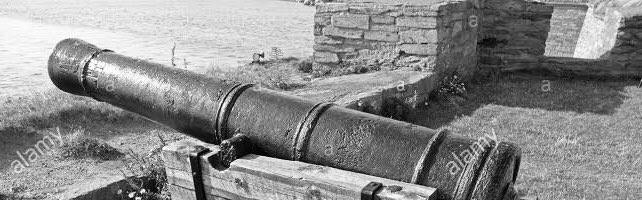
The name reportedly originated from the distinctive sound produced by newly introduced artillery weapons.
Observers compared the noise to the sound “Kiriji.”
The use of such weapons reflected changing military technologies.
Their presence marked a new phase in Yoruba warfare.
Military Organization of the Ekiti Parapo
The Ekiti Parapo alliance organized its forces carefully.
Leaders coordinated troops from multiple communities.
Military organization emphasized:
- Cooperation
- Shared objectives
- Strategic planning
The ability to maintain unity among diverse groups contributed significantly to the alliance’s endurance.
Leadership Within the Confederation
Several notable leaders emerged during the conflict.
These individuals demonstrated:
- Courage
- Tactical skill
- Political vision
Their efforts helped sustain resistance despite numerous challenges.
Leadership played a crucial role in maintaining morale and coordination.
Ibadan’s Military Strength
Ibadan entered the conflict with considerable advantages.
Its strengths included:
- Experienced commanders
- Established military institutions
- Large fighting forces
The city had built its reputation through decades of military success.
Many expected Ibadan to secure victory relatively quickly.
The reality proved far more complicated.
The Nature of the Fighting
The war involved:
- Large-scale battles
- Siege operations
- Raids
- Defensive campaigns
Combat occurred across extensive territories.
Both sides experienced victories and setbacks.
The prolonged nature of the conflict created significant hardships.
The Importance of Fortifications
As warfare evolved, defensive fortifications became increasingly important.
Communities constructed:
- Earthworks
- Defensive barriers
- Protected positions
These measures helped reduce vulnerability and prolong resistance.
The emphasis on defense reflected the changing character of warfare.
Introduction of New Weapons
One notable aspect of the conflict was the use of modern firearms and artillery.
These weapons increased both:
- Destructive capacity
- Tactical complexity
Military leaders adapted strategies to accommodate new technologies.
The war therefore reflected broader changes occurring across nineteenth-century Africa.
Economic Consequences
The prolonged conflict imposed severe economic costs.
Agricultural production suffered.
Trade routes became disrupted.
Communities faced shortages of:
- Food
- Resources
- Labor
Economic hardship affected both combatants and civilians.
The impact extended far beyond the battlefield.
Effects on Civilian Populations
Ordinary people bore much of the burden of war.
Many experienced:
- Displacement
- Property destruction
- Insecurity
- Economic hardship
Families and communities struggled to maintain normal life under difficult conditions.
The human cost of the conflict was substantial.
Social Disruption
Years of warfare disrupted social institutions.
Challenges included:
- Population movements
- Family separations
- Declining economic activity
Communities were forced to adapt to changing circumstances.
These disruptions had long-term consequences.
Diplomatic Efforts
Despite ongoing fighting, various attempts were made to negotiate peace.
Leaders recognized that continued warfare carried enormous costs.
Diplomatic initiatives sought to:
- Reduce hostilities
- Establish compromise
- Restore stability
Progress proved difficult, but negotiations continued intermittently.
External Influences
European powers increasingly observed developments in Yorubaland.
Commercial and political interests encouraged interest in regional affairs.
Although the war remained primarily a Yoruba conflict, external actors monitored events closely.
Their presence would later influence political developments.
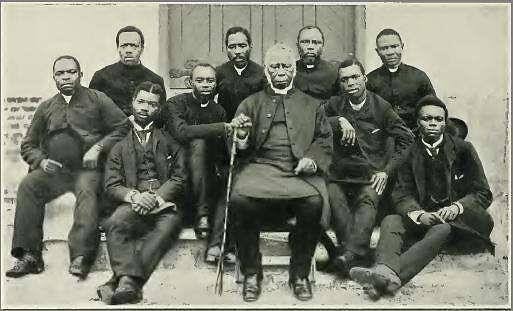
The Role of Missionaries
Christian missionaries operating in the region often advocated peace.
Many were concerned about:
- Human suffering
- Social instability
- Disruption of educational activities
Missionary efforts contributed to discussions about conflict resolution.
The Path to Peace
Eventually, exhaustion affected all parties.
Years of warfare had produced immense costs without decisive victory.
Growing recognition of these realities encouraged renewed peace efforts.
Negotiations gained momentum.
The Peace Settlement
The conflict formally ended in 1893 through a peace agreement.
The settlement brought an end to one of the longest wars in Yoruba history.
The agreement sought to:
- Restore stability
- Reduce hostilities
- Promote coexistence
Although challenges remained, the war itself concluded.
Consequences for Yorubaland
The end of the conflict transformed Yoruba politics.
Years of warfare had weakened many states.
Political leaders increasingly confronted new realities involving European influence and colonial expansion.
The post-war environment differed significantly from earlier periods.
Opening the Door to Colonial Rule
One of the most significant consequences of the conflict was the weakening of indigenous political structures.
The exhaustion produced by prolonged warfare made resistance to external domination more difficult.
Within a few years, British colonial influence expanded significantly.
This development marked the beginning of a new historical era.
Legacy of the Ekiti Parapo Confederation
The Ekiti Parapo movement remains an important symbol of resistance and cooperation.
Its legacy includes:
- Defense of autonomy
- Regional solidarity
- Political organization
Many communities continue to celebrate the memory of those who participated in the struggle.
Historical Importance
Historians regard the Ekiti Parapo War as a pivotal event because it:
- Marked the final major Yoruba civil war
- Demonstrated military adaptation
- Influenced colonial-era developments
Its significance extends beyond military history.
The conflict shaped political, economic, and social trajectories.
Lessons from the War
The Ekiti Parapo War offers important lessons:
- Unity strengthens communities.
- Prolonged conflict carries heavy costs.
- Political cooperation can overcome significant challenges.
- Peace often requires compromise.
- Leadership matters during times of crisis.
These lessons remain relevant today.
Remembering the Participants
The individuals who participated in the conflict are remembered for:
- Courage
- Determination
- Commitment to their communities
Their experiences form an important part of Yoruba historical memory.
Their sacrifices continue to be honored.
Influence on Yoruba Identity
The war reinforced ideas concerning:
- Self-determination
- Community solidarity
- Collective action
These themes continue to influence Yoruba cultural and political discussions.
The memory of resistance remains significant.
Conclusion
The Ekiti Parapo War was one of the most important and transformative conflicts in Yoruba history. Emerging from the political instability that followed the decline of the Oyo Empire, it brought together communities determined to defend their autonomy and shape their own future.
Although the war inflicted immense suffering and lasted for more than sixteen years, it also demonstrated the resilience, courage, and organizational capacity of Yoruba societies. The conflict’s conclusion marked the end of an era and helped prepare the region for profound political changes that would follow.
Today, the Ekiti Parapo War remains a powerful reminder of the complexities of leadership, the value of unity, and the enduring determination of people striving to protect their independence and identity.