Samuel Ajayi Crowther – The First African Anglican Bishop and Yoruba Linguistic Pioneer
Introduction
Among the most influential Yoruba figures of the nineteenth century, few have left a legacy as profound and far-reaching as Samuel Ajayi Crowther. Scholar, linguist, educator, translator, missionary, and church leader, Crowther became the first African Anglican bishop and played a transformative role in the development of education, Christianity, and written Yoruba language.
His life story is remarkable not only because of his achievements but also because of the challenges he overcame. Born into a Yoruba family, captured during the era of the transatlantic slave trade, rescued from slavery, educated in Sierra Leone, and eventually rising to become a respected religious leader, Crowther’s journey is one of resilience, determination, and intellectual brilliance.
Today, he is remembered not only as a religious pioneer but also as one of the architects of modern Yoruba literacy and scholarship. His contributions continue to influence education, language preservation, and religious life throughout Nigeria and beyond.

Early Life
Samuel Ajayi Crowther was born around 1809 in Osogun, a Yoruba settlement located in present-day Oyo State, Nigeria.
He was born into a Yoruba family during a period of significant political instability.
The early nineteenth century was marked by conflicts among various states and communities in the region.
These conditions would profoundly shape his life.
Although his childhood began within the traditions of Yoruba society, circumstances soon changed dramatically.
Capture During the Slave Trade
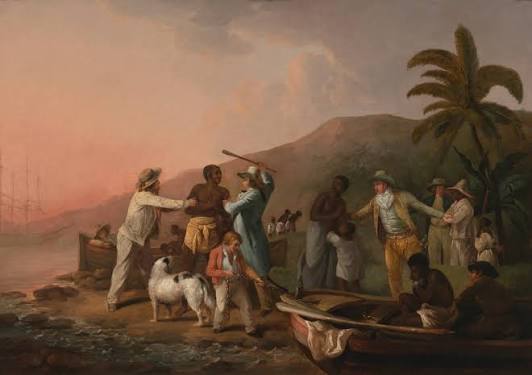
When Crowther was still a young boy, his community was attacked during regional conflicts.
He was captured and sold into slavery.
Like many others during this tragic period, he was forced into the network of the transatlantic slave trade.
His capture separated him from his family and homeland.
The experience exposed him to tremendous hardship and uncertainty.
Yet it also marked the beginning of an extraordinary journey.
Rescue by the British Navy
Before Crowther could be transported across the Atlantic, the slave ship carrying him was intercepted by the British Royal Navy.
At the time, Britain had begun efforts to suppress the transatlantic slave trade.
The captives aboard the vessel were freed.
Crowther was taken to the British colony of Sierra Leone, which had become a settlement for liberated Africans.
This event transformed the course of his life.
Life in Sierra Leone
Sierra Leone provided opportunities unavailable to many former captives.
The colony brought together people from diverse African backgrounds.
There, Crowther received formal education and encountered new cultural influences.
He quickly distinguished himself through his intelligence and dedication to learning.
His academic success attracted the attention of educators and missionaries.
These opportunities would prove crucial to his future achievements.
Conversion to Christianity
While in Sierra Leone, Crowther embraced Christianity.
Following his baptism, he adopted the name Samuel Crowther.
The surname honored a British church leader who supported missionary efforts.
His conversion marked the beginning of a lifelong commitment to religious service.
However, he never abandoned appreciation for his Yoruba heritage.
Instead, he worked to bridge African cultures and Christian teachings.
Education and Academic Excellence
Crowther excelled in his studies.
He demonstrated exceptional abilities in:
- Languages
- Theology
- Translation
- Communication
His intellectual talents earned widespread recognition.
Teachers and church leaders recognized his potential as a future scholar and leader.
Education became one of the defining features of his life.
He viewed knowledge as a tool for personal and social transformation.
Linguistic Talent
One of Crowther’s greatest gifts was his aptitude for languages.
He became proficient in several languages, including:
- Yoruba
- English
- Latin
- Greek
His linguistic abilities enabled him to engage with diverse communities and scholarly traditions.
They also positioned him to make groundbreaking contributions to African language studies.
Training for Missionary Work
Crowther pursued formal training for missionary service.
His studies prepared him for roles involving:
- Teaching
- Evangelism
- Translation
- Community leadership
Missionary organizations recognized his unique qualifications.
As both an African and a scholar, he possessed valuable cultural and linguistic knowledge.
These qualities contributed to his effectiveness.
Return to West Africa
After completing his training, Crowther participated in missionary work throughout West Africa.
Returning to regions connected to his homeland held special significance.
He sought not only to spread Christianity but also to promote education and literacy.
His efforts reflected a commitment to both spiritual and intellectual development.
The Importance of Language
Crowther understood that language plays a crucial role in communication and education.
He believed that people learn most effectively in their own languages.
As a result, he devoted considerable effort to studying and documenting Yoruba.
His work challenged assumptions that African languages lacked complexity or value.
Instead, he demonstrated their richness and sophistication.
Development of Written Yoruba
One of Crowther’s most important achievements was helping establish a standardized written form of Yoruba.
At the time, Yoruba existed primarily as an oral language.
Crowther worked to:
- Develop orthography
- Standardize spelling
- Document vocabulary
- Promote literacy
These efforts laid the foundation for modern Yoruba writing.
Translation of the Bible into Yoruba
Among Crowther’s most famous accomplishments was his translation of the Bible into Yoruba.
This project required:
- Linguistic expertise
- Cultural understanding
- Theological knowledge
The translation made Christian scriptures accessible to Yoruba speakers.
It also contributed significantly to the development of written Yoruba literature.
The work remains one of the most important milestones in Yoruba linguistic history.
Publication of Yoruba Grammar
Crowther also produced scholarly works concerning Yoruba language structure.
His publications helped document:
- Grammar
- Vocabulary
- Pronunciation
These studies provided valuable resources for both African and international scholars.
They remain important contributions to linguistic research.
Creation of Dictionaries
Recognizing the importance of language documentation, Crowther participated in the development of Yoruba dictionaries.
These resources facilitated:
- Education
- Translation
- Scholarship
They also helped preserve linguistic knowledge for future generations.
The work demonstrated his commitment to cultural preservation.
Educational Contributions
Beyond language development, Crowther strongly supported education.
He believed education could:
- Empower individuals
- Promote social progress
- Strengthen communities
His efforts contributed to the establishment of schools and educational programs.
These initiatives expanded opportunities for many Africans.
Leadership in the Anglican Church
Crowther’s talents and achievements eventually earned recognition within the Anglican Church.
He rose through various positions of responsibility.
His leadership demonstrated that Africans could occupy senior roles within religious institutions.
This achievement challenged prevailing racial assumptions of the era.
Becoming the First African Anglican Bishop
In 1864, Crowther achieved a historic milestone.
He was consecrated as the first African Anglican bishop.
The appointment represented a major breakthrough.
It signaled recognition of African leadership within a global religious organization.
His elevation inspired many Africans and remains a landmark event in church history.
Challenges and Discrimination
Despite his achievements, Crowther faced significant challenges.
Some European missionaries doubted the abilities of African leaders.
He encountered:
- Prejudice
- Institutional resistance
- Racial discrimination
These obstacles complicated his work.
Nevertheless, he continued serving with dignity and determination.
Advocacy for African Leadership
Crowther believed Africans should play central roles in the development of African churches.
He advocated:
- Indigenous leadership
- Local participation
- Cultural understanding
His vision anticipated later movements promoting African self-determination and institutional independence.
Missionary Work Along the Niger
Crowther conducted extensive missionary work along the Niger River.
These efforts involved:
- Establishing churches
- Promoting education
- Translating religious materials
His work helped expand Christianity throughout parts of West Africa.
At the same time, it contributed to literacy and cultural exchange.
Relationship with Yoruba Culture
Although committed to Christianity, Crowther maintained respect for Yoruba culture.
He understood that meaningful communication required cultural sensitivity.
His approach sought dialogue rather than wholesale rejection of indigenous traditions.
This perspective contributed to his effectiveness as a translator and educator.
Legacy in Language Preservation
Crowther’s linguistic contributions continue to shape Yoruba language education.
Modern Yoruba writing owes much to his efforts.
His work helped preserve:
- Vocabulary
- Grammar
- Literary traditions
Without these contributions, the development of written Yoruba might have followed a very different path.
Influence on Nigerian Education
The educational institutions and traditions Crowther supported influenced generations of students.
His emphasis on literacy and scholarship helped create opportunities for social advancement.
Many later leaders benefited indirectly from foundations established during his era.
Recognition and Honors
Today, Crowther is widely honored for his achievements.
Schools, churches, institutions, and public programs commemorate his contributions.
Scholars continue to study his work.
His reputation extends beyond Nigeria to the wider world.
Lessons from Crowther’s Life
Crowther’s life offers important lessons:
- Education transforms lives.
- Language preservation matters.
- Leadership requires perseverance.
- Cultural understanding promotes communication.
- Adversity can be overcome through determination.
These lessons remain relevant today.
Crowther’s Global Significance
Crowther’s achievements extend beyond Yoruba history.
His work contributed to:
- African scholarship
- Religious history
- Linguistic studies
- Educational development
He demonstrated that African intellectuals could make lasting contributions to global knowledge.
The Enduring Legacy of Samuel Ajayi Crowther
More than a century after his death, Crowther remains one of the most respected figures in African history.
His legacy lives on through:
- Written Yoruba
- Educational institutions
- Religious communities
- Scholarly traditions
His contributions continue to influence millions of people.
Conclusion
Samuel Ajayi Crowther stands among the greatest figures in Yoruba and African history. From the trauma of enslavement to the heights of scholarship and religious leadership, his life exemplifies resilience, intellect, and service.
As the first African Anglican bishop, a pioneering linguist, and a champion of education, Crowther helped transform both religious and cultural life. His work in developing written Yoruba, translating the Bible, and promoting literacy remains invaluable.
Today, he is remembered not only as a church leader but also as a guardian of language, culture, and knowledge. His extraordinary journey continues to inspire generations and serves as a powerful reminder of the transformative power of education, perseverance, and vision.