
The Ifa Divination System – Wisdom, Philosophy, and Sacred Knowledge
Introduction
Among the greatest intellectual and spiritual achievements of the Yoruba people is the Ifa Divination System. More than a method of predicting future events, Ifa is a vast body of knowledge that encompasses philosophy, ethics, history, literature, medicine, spirituality, psychology, and social guidance.
For centuries, Ifa has served as a repository of Yoruba wisdom, preserving the experiences, beliefs, values, and insights of countless generations. Through sacred verses, proverbs, stories, and teachings, Ifa provides guidance on how individuals and communities can live meaningful, balanced, and successful lives.
Today, scholars around the world recognize Ifa as one of Africa’s most sophisticated systems of indigenous knowledge. Its influence extends far beyond Nigeria, reaching communities throughout Africa, the Caribbean, the Americas, and Europe.

What Is Ifa?
Ifa is a traditional Yoruba system of divination and sacred knowledge.
It serves multiple purposes, including:
- Spiritual guidance
- Ethical instruction
- Problem-solving
- Community counseling
- Cultural preservation
While many people associate Ifa primarily with divination, its significance extends much further.
At its core, Ifa is a comprehensive philosophy of life that seeks to help individuals understand themselves, their circumstances, and their destiny.
The Sacred Foundation of Ifa
According to Yoruba tradition, Ifa originates from divine wisdom.
The system is closely associated with Orunmila, the Orisha of wisdom, knowledge, foresight, and divination.
Orunmila is regarded as a witness to creation and a custodian of divine knowledge.
Because of this special role, he is believed to possess insight into:
- Human destiny
- Moral choices
- Spiritual development
- Cosmic order
Followers regard Ifa as a sacred gift intended to guide humanity.
Who Is Orunmila?
Orunmila occupies a unique position in Yoruba spirituality.
He is often described as:
- The Orisha of wisdom
- The master of divination
- The interpreter of destiny
- The guardian of knowledge
Unlike some Orisha associated primarily with natural forces, Orunmila is linked to understanding and enlightenment.
His teachings form the foundation of the Ifa system.
Many Yoruba regard him as one of the most important spiritual figures.
The Meaning of Divination
In the context of Ifa, divination is not simply fortune-telling.
Instead, it involves:
- Seeking wisdom
- Understanding circumstances
- Identifying solutions
- Aligning with destiny
Divination provides insight into challenges and opportunities.
The objective is to empower individuals to make informed decisions rather than passively accept fate.
This emphasis on personal responsibility distinguishes Ifa from simplistic notions of prediction.
The Role of the Babalawo
The primary practitioners of Ifa are known as Babalawo.
The term means “Father of Secrets” or “Father of Mysteries.”
Babalawo serve as:
- Diviners
- Teachers
- Counselors
- Philosophers
- Custodians of tradition
Their responsibilities extend far beyond ritual performance.
They preserve and transmit vast amounts of knowledge accumulated over generations.
Becoming a Babalawo requires years of study and discipline.
Training of a Babalawo
The training process is extensive and demanding.
Students learn:
- Sacred verses
- Oral literature
- Ritual procedures
- Ethical principles
- Divination techniques
Mastery often requires decades of dedication.
Because much of the knowledge is transmitted orally, memory plays a crucial role.
The educational process reflects the Yoruba respect for scholarship and lifelong learning.
The Structure of Ifa Knowledge
The knowledge contained within Ifa is organized into a highly sophisticated system.
At its center are sacred literary units known as Odu Ifa.
These Odu form the foundation of the entire tradition.
Each Odu contains:
- Stories
- Proverbs
- Historical references
- Ethical teachings
- Practical advice
Together, they create one of the world’s largest bodies of oral literature.
The 256 Odu Ifa
Traditional Ifa recognizes 256 principal Odu.
These are generated through combinations of sixteen primary patterns.
Each Odu contains numerous verses and interpretations.
The result is an immense library of knowledge.
This structure enables practitioners to address an extraordinary variety of situations.
The complexity of the system reflects centuries of intellectual development.
Oral Literature and Memory
One of the most remarkable aspects of Ifa is its reliance on oral transmission.
Before widespread literacy, generations of Babalawo memorized extensive bodies of knowledge.
These included:
- Thousands of verses
- Historical narratives
- Philosophical teachings
- Ritual instructions
This achievement demonstrates the sophistication of Yoruba intellectual traditions.
Oral preservation ensured the survival of knowledge across centuries.
The Use of Proverbs
Proverbs occupy a central place in Ifa teachings.
They condense complex ideas into memorable expressions.
Proverbs teach lessons concerning:
- Wisdom
- Patience
- Character
- Relationships
- Leadership
Their use reflects the Yoruba appreciation for indirect communication and thoughtful reflection.
Many proverbs remain widely quoted in contemporary society.
Stories as Teaching Tools
Narratives play an important educational role within Ifa.
Stories illustrate:
- Human behavior
- Moral dilemmas
- Consequences of choices
- Paths to success
Through storytelling, abstract principles become accessible and relatable.
The educational value of these narratives contributes significantly to Ifa’s enduring relevance.
The Concept of Ori
A central theme in Ifa philosophy is Ori.
Ori refers to a person’s spiritual essence, consciousness, or destiny.
According to Yoruba belief, individuals choose their Ori before birth.
Life involves fulfilling the potential contained within this spiritual destiny.
Ifa helps people understand and align themselves with their Ori.
This concept encourages self-knowledge and purposeful living.
Destiny and Free Will
One of Ifa’s most sophisticated philosophical teachings concerns the relationship between destiny and free will.
While destiny exists, human choices remain important.
Success depends on:
- Wisdom
- Effort
- Discipline
- Ethical behavior
This balance prevents fatalism.
Individuals are encouraged to take responsibility for their actions while recognizing larger spiritual realities.
Ethics in Ifa Philosophy
Ifa places great emphasis on moral character.
Important virtues include:
- Honesty
- Humility
- Patience
- Generosity
- Respect
Ethical conduct is viewed as essential to personal fulfillment and social harmony.
Knowledge without character is considered incomplete.
This moral focus distinguishes Ifa as both a spiritual and ethical system.
Ifa and Community Life
Ifa contributes significantly to community well-being.
It helps address issues involving:
- Family relationships
- Leadership
- Conflict resolution
- Social responsibility
Babalawo often serve as advisers in communal affairs.
Their guidance promotes cooperation and stability.
This social function has strengthened Yoruba communities for generations.
Healing and Traditional Knowledge
Historically, Ifa has been associated with various forms of traditional knowledge concerning health and well-being.
Practitioners may draw upon accumulated wisdom regarding:
- Herbs
- Nutrition
- Lifestyle
- Prevention of illness
Such knowledge developed through centuries of observation and experience.
While traditional practices differ from modern scientific medicine, they represent an important part of Yoruba intellectual heritage.
Ifa and Leadership
Many rulers historically consulted Ifa before making important decisions.
Divination was used to seek guidance concerning:
- Governance
- Diplomacy
- Warfare
- Community welfare
This practice reflected the belief that leadership should be informed by wisdom and reflection.
The connection between Ifa and governance highlights its historical significance.
Festivals and Ceremonies
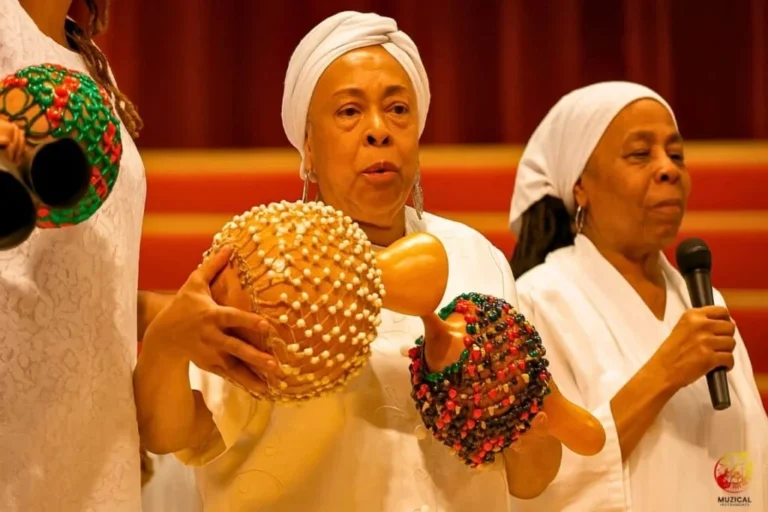
Various ceremonies celebrate and preserve Ifa traditions.
These events may involve:
- Recitation of verses
- Ritual observances
- Educational activities
- Community gatherings
Festivals provide opportunities to transmit knowledge to younger generations.
They also strengthen cultural identity and continuity.
Ifa as a Philosophical System
Modern scholars increasingly recognize Ifa as a sophisticated philosophical tradition.
Its teachings address questions concerning:
- Human nature
- Ethics
- Knowledge
- Destiny
- Society
The depth of these discussions challenges outdated assumptions about African intellectual history.
Ifa demonstrates the richness of indigenous African thought.
Ifa and UNESCO Recognition
The international significance of Ifa has received formal recognition.
In 2008, the Ifa Divination System was inscribed on the UNESCO Representative List of the Intangible Cultural Heritage of Humanity.
This recognition acknowledged:
- Its cultural value
- Its historical importance
- Its educational significance
The designation helped increase global awareness of Yoruba intellectual traditions.
Ifa in the African Diaspora
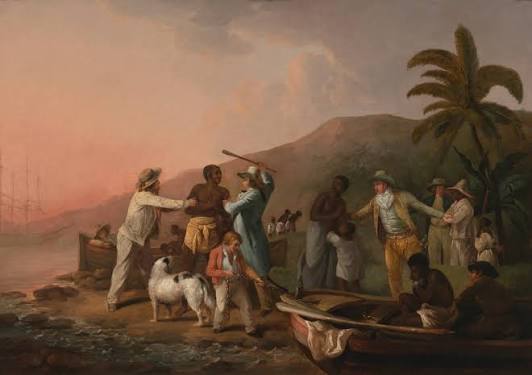
The transatlantic slave trade carried Yoruba traditions across the world.
As a result, Ifa continues to influence spiritual communities in:
- Cuba
- Brazil
- Trinidad and Tobago
- The United States
- Other regions
These traditions preserve important aspects of Yoruba heritage while adapting to local circumstances.
Their survival demonstrates the resilience of Yoruba culture.
Contemporary Relevance
Today, Ifa remains relevant for many people seeking wisdom and guidance.
Its teachings continue to address modern concerns involving:
- Identity
- Relationships
- Ethics
- Personal development
- Community responsibility
Scholars, cultural practitioners, and spiritual seekers continue to study and preserve its knowledge.
Lessons from Ifa
The Ifa tradition offers numerous lessons:
- Wisdom should guide action.
- Character is more important than wealth.
- Knowledge requires responsibility.
- Individuals must work to fulfill their potential.
- Communities thrive through cooperation and respect.
These teachings remain meaningful across cultures and generations.
Preservation of Ifa Knowledge
Modern efforts to preserve Ifa include:
- Documentation projects
- Academic research
- Cultural institutions
- Educational programs
These initiatives help ensure that future generations can access this remarkable body of knowledge.
Preservation is essential because Ifa represents an important part of both Yoruba and global cultural heritage.
Conclusion
The Ifa Divination System stands as one of the most remarkable intellectual traditions in African history. Combining spirituality, philosophy, ethics, literature, and practical wisdom, it provides a comprehensive framework for understanding life and human experience.
Through the teachings of Orunmila, the wisdom of the Odu Ifa, and the guidance of generations of Babalawo, the tradition has preserved invaluable knowledge for centuries. Its influence extends far beyond Yorubaland, enriching cultures throughout the world.
As both a spiritual practice and a philosophical system, Ifa continues to inspire reflection, learning, and personal growth. Its enduring legacy serves as a testament to the depth and sophistication of Yoruba civilization and its contributions to humanity’s collective heritage.