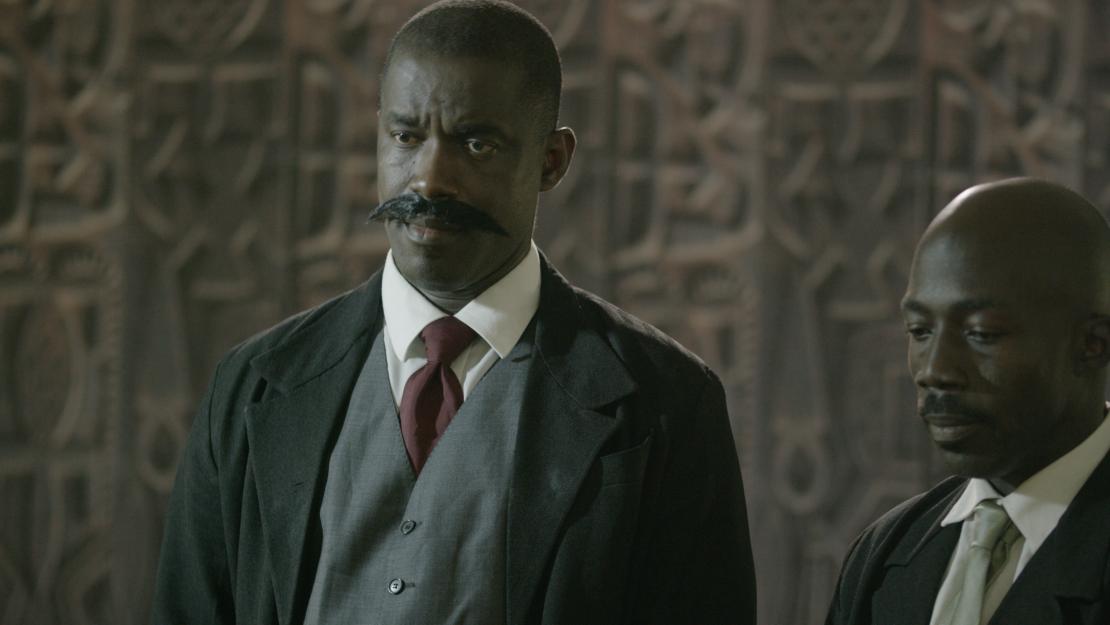
Herbert Macaulay and the Yoruba Contribution to Nigerian Nationalism
Introduction
The struggle for Nigerian self-government and independence was shaped by many remarkable individuals and communities. Among the most influential figures was Herbert Samuel Heelas Macaulay, widely regarded as the “Father of Nigerian Nationalism.” Through his activism, journalism, political organization, and public advocacy, Macaulay helped lay the foundations for modern Nigerian politics and inspired generations of nationalists.
Although his influence extended across the entire country, Macaulay’s background was deeply connected to the history, culture, and intellectual traditions of Yorubaland. His life illustrates the important role Yoruba leaders, educators, professionals, journalists, and activists played in the emergence of Nigerian nationalism.
The Yoruba contribution to Nigerian nationalism extended far beyond a single individual. Throughout the colonial period, Yoruba men and women participated actively in campaigns for political reform, educational advancement, civil rights, and ultimately independence.
This article examines the life of Herbert Macaulay and explores the broader contribution of Yoruba people to the development of Nigerian nationalism.

Nigeria Under Colonial Rule
To understand the significance of Nigerian nationalism, it is important to understand the colonial context.
During the nineteenth and early twentieth centuries, Britain gradually established political control over territories that would become modern Nigeria.
Colonial administration affected:
- Governance
- Economics
- Education
- Social organization
These changes generated both opportunities and challenges.
Increasingly, educated Africans began demanding greater participation in public affairs.
The Emergence of Nationalist Thought
Nationalism developed gradually.
Educated Africans became concerned about issues such as:
- Political representation
- Civil rights
- Economic inequality
- Cultural dignity
Many believed Nigerians should play larger roles in governing their own country.
These ideas formed the foundation of nationalist movements.
Early Life of Herbert Macaulay
Herbert Samuel Heelas Macaulay was born on November 14, 1864, in Lagos.
He came from a distinguished family with strong educational and religious backgrounds.
His family included notable figures associated with education and public service.
These influences shaped his intellectual development.
Family Background
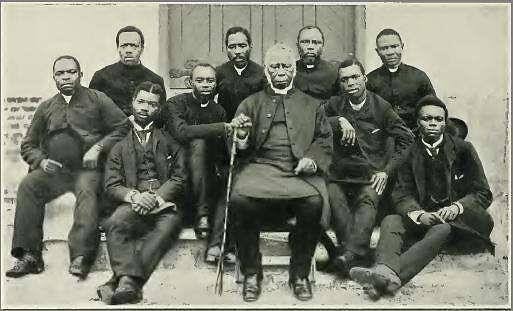
Macaulay’s grandfather was the renowned Samuel Ajayi Crowther, the first African Anglican bishop.
This connection exposed him to traditions emphasizing:
- Education
- Leadership
- Public service
The family’s achievements provided a powerful example.
Such influences helped shape his future outlook.
Education and Training
Macaulay received formal education and later studied abroad.
His training included technical and professional disciplines.
Education expanded his understanding of governance, society, and public administration.
It also prepared him for leadership roles.
Return to Lagos
Upon returning to Lagos, Macaulay worked in professional positions while becoming increasingly involved in public affairs.
He observed firsthand the effects of colonial policies.
Many of these policies concerned him deeply.
His growing dissatisfaction encouraged political activism.
Criticism of Colonial Policies
Macaulay became one of the most outspoken critics of colonial administration.
He challenged policies that he believed harmed African interests.
His criticisms addressed issues involving:
- Land rights
- Representation
- Governance
His willingness to speak openly earned both supporters and opponents.
Advocacy Through Journalism
Journalism became one of Macaulay’s most important tools.
He used newspapers and public communication to:
- Inform citizens
- Criticize injustice
- Mobilize support
The press played a crucial role in nationalist development.
Macaulay understood the power of information.
Public Mobilization
Unlike many elites who remained distant from ordinary people, Macaulay actively engaged the public.
He built support through:
- Public meetings
- Speeches
- Community involvement
His ability to connect with diverse audiences contributed significantly to his influence.
Defense of Indigenous Rights
A central theme in Macaulay’s activism was the defense of indigenous rights.
He advocated protections concerning:
- Land ownership
- Community interests
- Political participation
These issues resonated with many Nigerians.
His efforts strengthened public awareness.
The Lagos Political Environment
Lagos became an important center of political activity during the colonial period.
The city contained:
- Educated professionals
- Journalists
- Traders
- Activists
These groups contributed to the development of nationalist ideas.
Macaulay emerged as one of their most prominent leaders.
Formation of Political Organizations
Macaulay recognized the importance of organized political action.
He participated in the creation of political organizations designed to represent African interests.
These organizations provided platforms for advocacy and reform.
Their activities contributed to the growth of political consciousness.
The Nigerian National Democratic Party
In 1923, Macaulay founded the Nigerian National Democratic Party (NNDP).
The party became one of Nigeria’s earliest political organizations.
Its objectives included:
- Increased representation
- Political reform
- Public participation
The NNDP represented an important milestone in Nigerian political history.
Electoral Politics
The NNDP participated actively in elections.
Its success demonstrated growing public interest in political engagement.
Electoral participation provided opportunities to influence policy and governance.
These developments contributed to political modernization.
Macaulay’s Leadership Style
Macaulay possessed a distinctive leadership style.
He was known for:
- Courage
- Charisma
- Determination
His willingness to challenge powerful institutions earned widespread admiration.
Supporters viewed him as a defender of public interests.
Yoruba Intellectual Traditions
Macaulay’s achievements reflected broader Yoruba traditions emphasizing education and public engagement.
Throughout the colonial period, Yoruba communities produced many influential:
- Teachers
- Journalists
- Lawyers
- Clergy
These individuals contributed significantly to nationalist movements.
The Role of Education
Education played a crucial role in Yoruba participation in nationalism.
Schools produced generations of individuals capable of engaging colonial institutions.
Educational advancement encouraged political awareness and civic participation.
Yoruba Newspapers and Public Debate
Yoruba journalists contributed greatly to public discourse.
Newspapers provided forums for discussing:
- Colonial policies
- Social issues
- Political reforms
The press became a powerful instrument of nationalism.
Public debate encouraged political consciousness.
Professional Leadership
Many Yoruba professionals participated in nationalist activities.
Lawyers, doctors, teachers, and civil servants used their expertise to advocate reform.
Their involvement strengthened the movement’s credibility and effectiveness.
Women’s Contributions
Yoruba women also played important roles in nationalist development.
Figures such as Funmilayo Ransome-Kuti advocated:
- Women’s rights
- Political participation
- Social justice
Their contributions broadened the scope of nationalist activism.
Growth of National Consciousness
As nationalist ideas spread, increasing numbers of Nigerians began identifying with broader national goals.
Movements emphasized:
- Self-government
- Equality
- Dignity
This shift represented a major transformation in political thought.
Collaboration Across Regions
Although regional identities remained important, nationalist leaders increasingly collaborated across ethnic and regional boundaries.
This cooperation strengthened demands for reform.
Nationalism became a collective project.
The Rise of New Leaders
Macaulay helped inspire later generations of political leaders.
Figures such as:
- Nnamdi Azikiwe
- Obafemi Awolowo
- Others
benefited from foundations established by earlier nationalists.
His influence extended far beyond his own lifetime.
Formation of the NCNC
Toward the end of his life, Macaulay collaborated with emerging leaders in the formation of the National Council of Nigeria and the Cameroons (NCNC).
The organization became one of the most important political movements in colonial Nigeria.
Its activities accelerated nationalist momentum.
Legacy of Herbert Macaulay
Macaulay died in 1946.
However, his influence continued through the organizations, ideas, and leaders he inspired.
His contributions helped shape the path toward independence.
Many regard him as one of the architects of modern Nigerian politics.
Yoruba Contributions Beyond Macaulay
The Yoruba contribution to nationalism extended beyond any single individual.
Yoruba communities contributed through:
- Education
- Journalism
- Political activism
- Professional leadership
Their involvement significantly influenced national development.
The Path to Independence
The efforts of nationalists eventually contributed to Nigerian independence in 1960.
The achievement reflected decades of advocacy and political organization.
Many Yoruba leaders played important roles throughout this process.
Their contributions remain historically significant.
Lessons from Macaulay’s Life
The life of Herbert Macaulay teaches important lessons:
- Education empowers leadership.
- Civic participation matters.
- Courage can inspire change.
- Organization strengthens movements.
- Public service can transform society.
These lessons remain relevant today.
Historical Significance
Macaulay occupies a unique place in Nigerian history.
His activism helped establish traditions of:
- Political engagement
- Public accountability
- National consciousness
These contributions continue to influence democratic life.
The Enduring Legacy of Nigerian Nationalism
The nationalist movement transformed Nigeria.
It encouraged citizens to envision a future based upon:
- Self-government
- Representation
- Equality
The legacy remains an important part of national identity.
Conclusion
Herbert Macaulay stands among the most influential figures in Nigerian history. Through his courage, journalism, political activism, and organizational leadership, he helped lay the foundations of Nigerian nationalism and inspired generations of reformers.
His achievements also highlight the broader contribution of Yoruba communities to the struggle for self-government and independence. Through education, journalism, political organization, and civic engagement, Yoruba men and women played vital roles in shaping the future of Nigeria.
Today, Macaulay’s legacy endures as a reminder that determined individuals can influence the course of history. His life remains a powerful example of leadership, patriotism, and commitment to the public good.