Yoruba Festivals and Celebrations – Preserving Culture Through Community
Introduction
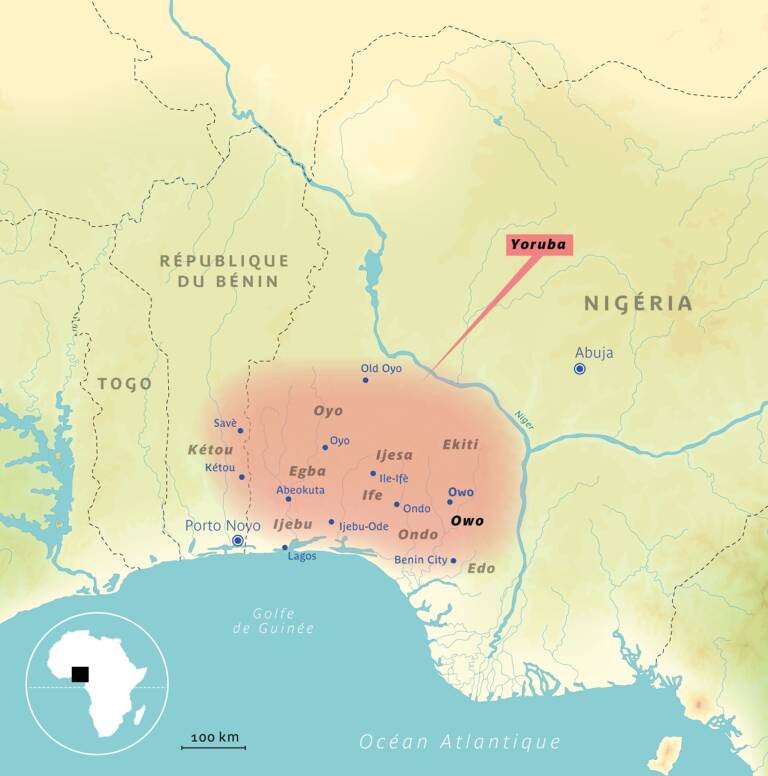
Festivals occupy a special place in Yoruba culture. They are vibrant expressions of history, spirituality, community identity, and cultural continuity. For centuries, Yoruba festivals have brought people together to celebrate important events, honor ancestors, worship divine beings, mark seasonal cycles, and strengthen social bonds.
These celebrations are far more than entertainment. They serve as living classrooms where history is remembered, traditions are transmitted, and cultural values are reinforced. Through music, dance, rituals, storytelling, masquerades, feasting, and communal participation, Yoruba festivals preserve knowledge that has been passed down through generations.
Today, despite modernization and globalization, festivals remain among the most visible and cherished aspects of Yoruba life. They continue to attract participants from across Nigeria and the wider world, including members of the Yoruba diaspora seeking to reconnect with their heritage.
This article explores the significance, diversity, and enduring importance of Yoruba festivals and celebrations.

The Meaning of Festivals in Yoruba Culture
In Yoruba society, festivals serve multiple purposes.
They may commemorate:
- Historical events
- Religious beliefs
- Community achievements
- Agricultural cycles
- Royal institutions
- Family traditions
Festivals provide opportunities for communities to reflect upon their past while celebrating their present.
They also help maintain connections between generations.
Festivals as Cultural Preservation
One of the most important functions of festivals is cultural preservation.
Through festivals, communities transmit:
- Language
- Music
- Dance
- Oral history
- Traditional values
Young people learn about their heritage by participating in celebrations alongside elders.
This process helps ensure the survival of cultural knowledge.
Community and Social Unity
Festivals strengthen community relationships.
They bring together:
- Families
- Friends
- Neighbors
- Traditional leaders
- Visitors
Differences of age, occupation, and social status often become secondary during celebrations.
Shared participation promotes unity and social cohesion.
Spiritual Dimensions of Festivals
Many Yoruba festivals possess spiritual significance.
They may honor:
- Orisha
- Ancestors
- Sacred sites
- Religious traditions
These observances reinforce relationships between communities and the spiritual world.
Even where religious practices have evolved, many festivals continue to reflect their spiritual origins.
The Importance of Traditional Rulers
Traditional rulers frequently play prominent roles in festivals.
Their participation symbolizes:
- Historical continuity
- Cultural leadership
- Community identity
Kings and chiefs often preside over ceremonies and public gatherings.
Their presence reinforces the connection between tradition and communal life.
The Osun-Osogbo Festival
One of the most famous Yoruba festivals is the Osun-Osogbo Festival.
Held annually in Osogbo, the celebration honors Osun, the Orisha associated with:
- Rivers
- Fertility
- Beauty
- Prosperity
The festival attracts thousands of participants and visitors from around the world.
Its processions, rituals, music, and cultural performances make it one of Africa’s most celebrated heritage events.
The Osun Sacred Grove
A central feature of the Osun festival is the Osun Sacred Grove.
This sacred forest serves as:
- A religious center
- A cultural landmark
- A historical site
Its preservation demonstrates the Yoruba commitment to protecting cultural heritage.
The grove’s international recognition has further increased awareness of Yoruba traditions.
The Sango Festival
The Sango Festival celebrates Sango, the legendary Alaafin of Oyo who became the Orisha of thunder and lightning.
Activities often include:
- Drumming
- Dancing
- Ritual performances
- Public celebrations
The festival honors both the historical king and the spiritual figure associated with justice, courage, and leadership.
It remains an important expression of Yoruba identity.
The Ogun Festival
Ogun, the Orisha of iron, technology, labor, and craftsmanship, is honored through the Ogun Festival.
Participants include:
- Blacksmiths
- Mechanics
- Artisans
- Engineers
- Farmers
The celebration recognizes the importance of work, innovation, and productivity.
It also reflects the historical significance of iron technology in Yoruba society.
The Egungun Festival
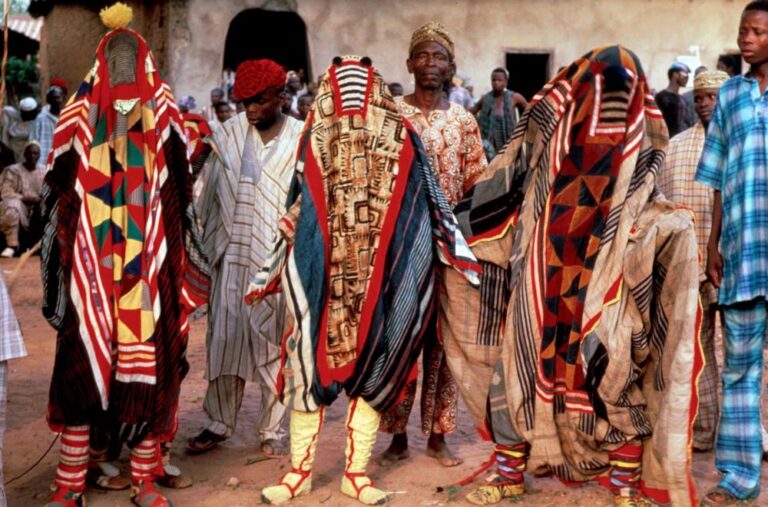
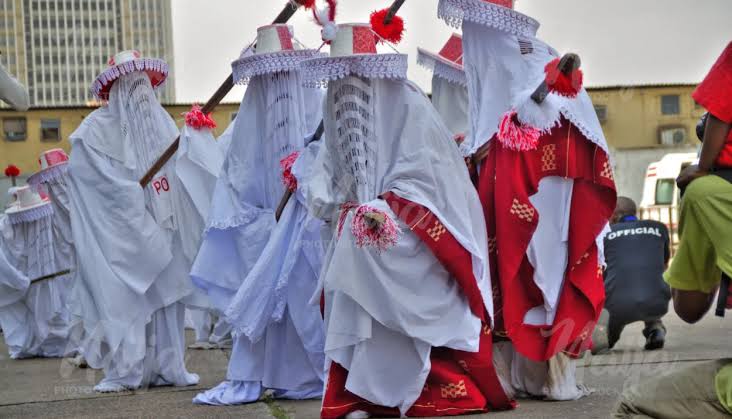
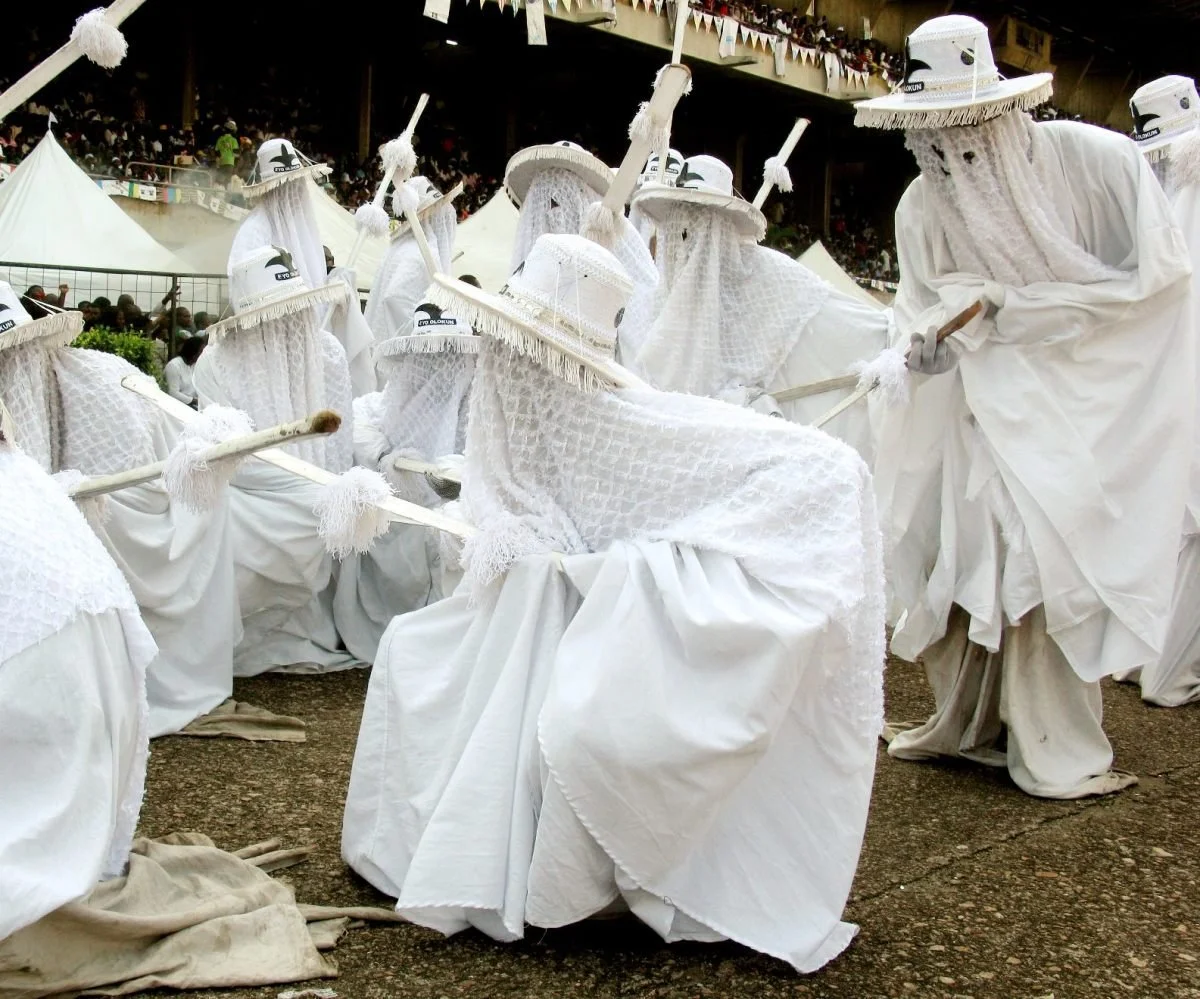
Among the most visually dramatic Yoruba celebrations is the Egungun Festival.
Egungun refers to ancestral masquerades.
Participants believe the masquerades symbolize the presence of ancestral spirits returning to bless and guide the community.
The festival combines:
- Spiritual observance
- Artistic performance
- Cultural education
Its elaborate costumes and performances attract widespread attention.
Understanding Egungun
The Egungun tradition emphasizes respect for ancestors.
It reflects the belief that previous generations remain connected to the living.
The festival teaches:
- Gratitude
- Family continuity
- Moral responsibility
Through Egungun, communities reaffirm their connection to history and heritage.
The Gelede Festival
The Gelede Festival celebrates the contributions of women, mothers, and feminine power within society.
It recognizes the importance of:
- Wisdom
- Fertility
- Community leadership
- Social harmony
Colorful masks, music, and performances characterize the celebration.
The festival highlights the significant role women play in Yoruba culture.
New Yam Festivals
Agricultural celebrations have long formed part of Yoruba life.
New Yam festivals mark the beginning of harvest seasons.
These events express gratitude for:
- Agricultural success
- Community prosperity
- Divine blessings
They also strengthen communal relationships and encourage cooperation.
Royal Festivals
Many Yoruba kingdoms maintain festivals associated with royal institutions.
These celebrations may commemorate:
- Historical victories
- Founding events
- Coronation anniversaries
Royal festivals reinforce historical memory and community pride.
They often attract large crowds and significant public attention.
Music in Yoruba Festivals
Music is essential to virtually every Yoruba celebration.
Traditional instruments include:
- Talking drums
- Bata drums
- Gangan drums
- Percussion ensembles
Music serves both ceremonial and entertainment purposes.
It helps create the atmosphere that defines Yoruba festivals.
The Talking Drum Tradition
The talking drum occupies a special place in Yoruba culture.
Its tones can imitate aspects of spoken language.
Drummers use the instrument to:
- Praise individuals
- Communicate messages
- Accompany ceremonies
The talking drum remains one of the most recognizable symbols of Yoruba artistic achievement.
Dance as Cultural Expression
Dance is another central component of festivals.
Different celebrations feature distinct dance styles reflecting:
- Historical traditions
- Religious themes
- Community identities
Dance serves as both entertainment and cultural education.
It allows participants to embody and transmit tradition.
Traditional Attire During Festivals
Festivals provide opportunities to showcase Yoruba fashion.
Participants often wear:
- Aso Oke
- Adire
- Embroidered garments
- Beaded accessories
Traditional attire reinforces cultural pride and contributes to the visual splendor of celebrations.
Food and Hospitality
Food plays an important role in Yoruba festivals.
Guests often enjoy traditional dishes such as:
- Amala
- Ewedu
- Pounded yam
- Egusi soup
- Moi moi
Sharing food strengthens social bonds and expresses hospitality.
The communal meal remains an important symbol of unity.
Storytelling and Oral History
Festivals often include storytelling sessions.
Elders recount:
- Historical events
- Folktales
- Moral lessons
- Community achievements
These narratives help preserve collective memory and educate younger generations.
Festivals and Tourism
Many Yoruba festivals attract tourists from around the world.
Visitors are drawn by:
- Cultural performances
- Historical significance
- Artistic traditions
- Unique experiences
Tourism generates economic benefits while promoting cultural awareness.
Economic Benefits
Festivals contribute to local economies through:
- Hospitality services
- Transportation
- Craft sales
- Entertainment industries
The economic impact can be substantial, particularly for communities hosting major celebrations.
The Yoruba Diaspora and Festivals
Members of the Yoruba diaspora often participate in traditional festivals.
Some travel to Nigeria for celebrations.
Others organize festivals abroad.
These activities help preserve cultural identity across generations and geographic boundaries.
Modern Influences on Festivals
Contemporary festivals often incorporate modern elements.
These may include:
- Media coverage
- Contemporary music
- Digital promotion
- International participation
Such adaptations help festivals remain relevant while preserving their core traditions.
Challenges to Festival Preservation
Like many cultural traditions, Yoruba festivals face challenges.
These include:
- Urbanization
- Commercialization
- Environmental concerns
- Declining participation among some youth
Addressing these challenges requires deliberate preservation efforts.
Cultural Education Through Festivals
Festivals serve as informal educational institutions.
Participants learn about:
- History
- Language
- Values
- Religious traditions
This educational role contributes significantly to cultural continuity.
Lessons from Yoruba Festivals
Yoruba festivals teach important lessons:
- Community matters.
- History deserves remembrance.
- Cultural heritage requires preservation.
- Art and spirituality can coexist.
- Diversity enriches society.
These lessons remain valuable in contemporary life.
The Future of Yoruba Festivals
The future of Yoruba festivals appears promising.
Growing interest in cultural heritage, tourism, and identity has increased appreciation for traditional celebrations.
Continued preservation efforts will help ensure their survival.
Future generations will inherit a rich legacy of cultural expression.
Conclusion
Yoruba festivals and celebrations represent some of the most vibrant and meaningful expressions of African cultural heritage. Through music, dance, rituals, storytelling, food, and community participation, these events preserve traditions that have endured for centuries.
More than celebrations, they are living institutions that educate, unite, and inspire. They strengthen cultural identity while connecting individuals to their history, spirituality, and community.
As long as Yoruba festivals continue to be celebrated, the wisdom, creativity, and resilience of Yoruba civilization will remain alive for generations to come.