Yoruba Music – From Talking Drums to Afrobeats
Introduction
Music occupies a central place in Yoruba culture. For centuries, it has served as a medium of communication, worship, celebration, education, entertainment, and historical preservation. From ancient palace courtyards and village festivals to modern concert halls and international music charts, Yoruba music has evolved while retaining its distinctive cultural identity.
The influence of Yoruba musical traditions extends far beyond Nigeria. Through migration, cultural exchange, and globalization, Yoruba rhythms, instruments, performance styles, and philosophies have shaped musical traditions across Africa, the Americas, the Caribbean, and the wider world.
Today, Yoruba musical heritage continues to thrive in contemporary genres such as Juju, Fuji, Gospel, Hip-Hop, Afrobeat, and Afrobeats. Modern artists frequently draw inspiration from traditional sounds while creating music that resonates with global audiences. This article explores the history, instruments, genres, cultural significance, and global influence of Yoruba music.

The Importance of Music in Yoruba Society
Music is deeply integrated into Yoruba life. It accompanies:
- Birth ceremonies
- Naming ceremonies
- Weddings
- Festivals
- Religious rituals
- Funerals
Music serves both practical and symbolic functions. It helps communities celebrate, remember, educate, and connect.
Historical Origins of Yoruba Music
The roots of Yoruba music extend back many centuries. Before written records became common, music played important roles in:
- Preserving history
- Teaching values
- Communicating information
Oral traditions relied heavily on musical performance. These traditions continue to influence contemporary music.
Music as Communication
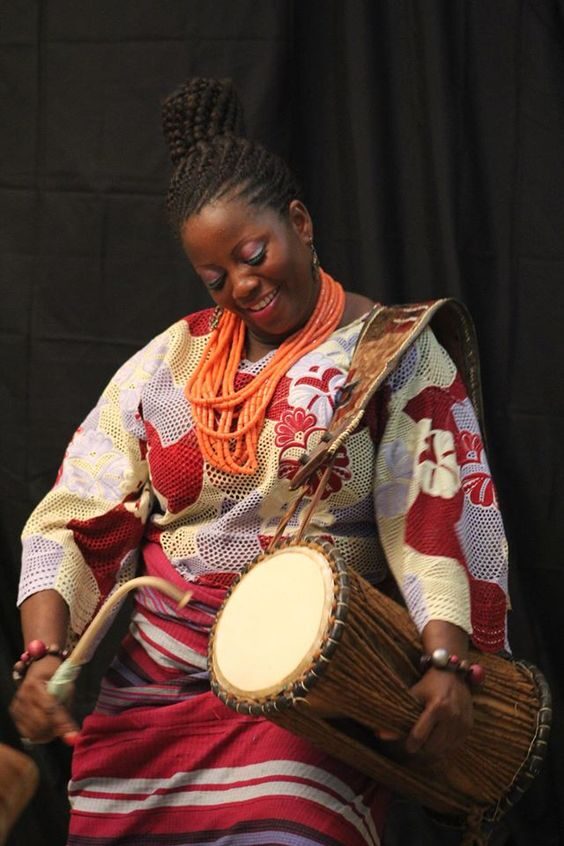
One distinctive feature of Yoruba music is its communicative function. Because the Yoruba language is tonal, musical instruments can imitate speech patterns. This capability allows musicians to convey messages through sound. The phenomenon is particularly evident in talking drums.
The Talking Drum
The talking drum is perhaps the most famous Yoruba musical instrument. Known by names such as Dundun, it can imitate the tones and rhythms of spoken Yoruba. Skilled drummers can communicate:
- Praise poetry
- Historical narratives
- Greetings
- Announcements
The instrument occupies a unique position in world music.
Construction of the Talking Drum
Traditional talking drums are typically constructed from:
- Wood
- Animal skin
- Leather cords
The cords allow players to adjust tension and alter pitch. This flexibility enables speech-like communication. The craftsmanship required reflects generations of expertise.
The Role of Drummers
Drummers occupy respected positions within Yoruba society. Master drummers often possess extensive knowledge of:
- History
- Genealogy
- Proverbs
- Praise poetry
Their performances combine musical skill with cultural education. They serve as both artists and historians.
Bata Drums
Another important Yoruba instrument is the Bata drum. Traditionally associated with Sango worship, Bata drums produce complex rhythmic patterns. They remain important in:
- Religious ceremonies
- Festivals
- Cultural performances
Their influence extends beyond Nigeria into diaspora communities.
Gangan Drum
The Gangan is a type of talking drum known for its expressive capabilities. Musicians use it to accompany singers and praise performers. Its versatility contributes to its popularity. The instrument remains widely used today.
Traditional Musical Ensembles
Yoruba music often involves ensembles rather than individual performers. These groups may include:
- Drummers
- Singers
- Dancers
- Instrumentalists
Collective performance reflects broader cultural values emphasizing cooperation and community.
Music and Oral History
For centuries, music helped preserve historical memory. Songs recorded information concerning:
- Kings
- Heroes
- Battles
- Family histories
Musical traditions functioned as archives of cultural knowledge. Their educational importance remains significant.
Praise Singing
Praise singing occupies a prominent place in Yoruba musical culture. Performers celebrate individuals, families, and communities through song. Praise songs often include:
- Genealogies
- Achievements
- Oríkì (praise poetry)
These performances reinforce identity and cultural continuity.
Oríkì and Music
Horiki are poetic expressions celebrating people, families, towns, and institutions. Musicians frequently incorporate Horiki into performances. The practice enriches both music and cultural memory. Horiki remains one of the most distinctive aspects of Yoruba artistic expression.
Religious Music
Religion has long influenced Yoruba music. Traditional ceremonies feature songs honoring:
- Orisha
- Ancestors
- Spiritual forces
Music facilitates communication, worship, and communal participation. Religious themes remain important even in modern genres.
Music in Festivals
Festivals provide important opportunities for musical performance. Celebrations often feature:
- Drumming
- Singing
- Dancing
- Processions
Music contributes to the festive atmosphere and reinforces cultural identity.
Influence of Islam
The spread of Islam introduced new musical influences. Islamic traditions contributed:
- Vocal styles
- Rhythmic patterns
- Religious themes
These influences later played important roles in the development of genres such as Fuji.
Influence of Christianity
Christianity also influenced Yoruba musical development. Church music incorporated:
- Hymns
- Choral traditions
- Indigenous rhythms
The blending of African and Christian elements produced distinctive musical forms.
Emergence of Modern Genres
The twentieth century witnessed the emergence of new Yoruba musical genres. Musicians combined traditional elements with contemporary influences. These innovations expanded audiences and created new artistic possibilities.
Juju Music
Juju music emerged as one of the most influential Yoruba genres. It combines:
- Traditional percussion
- Guitar accompaniment
- Vocal performance
The genre gained popularity throughout Nigeria and beyond. Its development marked an important stage in modern Yoruba music.
King Sunny Adé
One of the most famous Juju musicians is King Sunny Adé. His achievements introduced Yoruba music to international audiences. Through innovation and artistry, he became one of Africa’s most celebrated musicians. His influence remains significant.
Ebenezer Obey
Another major figure in Juju music is Ebenezer Obey. His work combines entertainment with moral and spiritual themes. His contributions helped shape the genre’s development. He remains highly respected.
Fuji Music
Fuji music emerged from Islamic musical traditions and urban cultural influences. The genre emphasizes:
- Percussion
- Vocal performance
- Energetic rhythms
Fuji became especially popular among working-class audiences. Its influence continues today.
Ayinde Barrister
Ayinde Barrister is widely regarded as the pioneer of Fuji music. His innovations transformed local musical traditions into a major genre. His legacy remains central to Fuji’s history.
Kollington Ayinla
Another influential Fuji artist is Alhaji Kollington Ayinla. His work helped popularize Fuji among broader audiences. He remains one of the genre’s most prominent figures.
Yoruba Gospel Music
Yoruba Gospel music combines Christian messages with indigenous musical traditions. Artists frequently incorporate:
- Talking drums
- Yoruba language
- Traditional rhythms
The genre enjoys widespread popularity. It demonstrates the adaptability of Yoruba musical culture.
Fela Anikulapo-Kuti and Afrobeat
No discussion of Yoruba music would be complete without Fela Kuti. Fela created Afrobeat by combining:
- Yoruba rhythms
- Jazz
- Highlife
- Funk
His music addressed social and political issues while celebrating African identity. His influence remains global.
Yoruba Elements in Afrobeat
Afrobeat incorporated many Yoruba features, including:
- Percussion
- Call-and-response singing
- Traditional rhythms
These elements contributed to the genre’s distinctive character. They also connected contemporary music to cultural heritage.
The Rise of Afrobeats
In the twenty-first century, Afrobeats emerged as a global phenomenon. Many leading artists draw upon Yoruba cultural influences. The genre combines African rhythms with contemporary production techniques. Its international success reflects the vitality of African music.
Global Stars and Yoruba Heritage
Numerous contemporary artists incorporate Yoruba language, themes, and rhythms into their music. These contributions help introduce Yoruba culture to international audiences. The global visibility of such artists strengthens cultural appreciation.
Dance and Music
Music and dance are closely connected in Yoruba culture. Many performances involve coordinated movement. Dance enhances:
- Storytelling
- Celebration
- Community participation
The relationship between music and dance remains central.
Music in the Yoruba Diaspora
Yoruba musical traditions survive throughout the diaspora. Communities in:
- Brazil
- Cuba
- Trinidad
- The United States
continue to preserve musical practices with Yoruba origins. These traditions demonstrate remarkable resilience.
Educational Value of Music
Music serves as an educational tool. Songs teach:
- History
- Morality
- Cultural values
Educational functions remain important despite changing technologies. Music continues to shape learning.
Preservation of Cultural Heritage
Musicians contribute significantly to cultural preservation. Their work helps maintain:
- Language
- History
- Traditions
Music remains one of the most effective means of preserving heritage.
Challenges and Opportunities
Modern musicians face challenges including:
- Commercial pressures
- Global competition
- Cultural change
At the same time, technology provides opportunities for innovation and wider audiences. Balancing tradition and modernity remains important.
Lessons from Yoruba Music
Yoruba musical traditions teach important lessons:
- Culture can evolve while preserving identity.
- Art strengthens community.
- Music preserves history.
- Creativity transcends boundaries.
- Heritage enriches innovation.
These lessons remain highly relevant.
The Future of Yoruba Music
The future of Yoruba music appears bright. New generations continue to create and innovate. At the same time, traditional instruments and styles remain influential. The combination of continuity and change ensures ongoing vitality.
Conclusion
Yoruba music represents one of Africa’s richest and most influential artistic traditions. From ancient talking drums and praise singing to Juju, Fuji, Afrobeat, and Afrobeats, Yoruba musicians have continually adapted while preserving essential cultural elements.
Through music, generations have communicated wisdom, celebrated identity, preserved history, and inspired creativity. The influence of Yoruba musical traditions extends across continents and continues to shape global culture. As long as drums continue to speak, songs continue to tell stories, and artists continue to innovate, Yoruba music will remain a powerful expression of one of the world’s great cultural traditions.