Yoruba Architecture – From Ancient Palaces to Modern Cities
Introduction
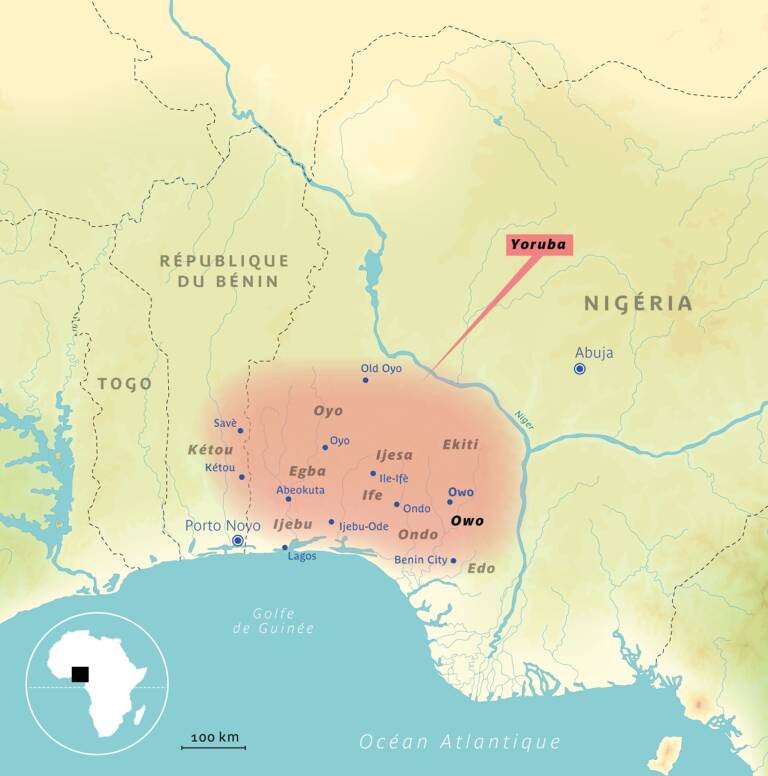
Architecture is one of the most visible expressions of a people’s history, values, creativity, and way of life. Among the Yoruba people, architecture has long served not only practical purposes but also social, cultural, political, and spiritual functions. From the magnificent palaces of ancient kings to the bustling urban landscapes of modern Lagos, Yoruba architecture reflects centuries of innovation, adaptation, and cultural continuity.
Traditional Yoruba buildings were carefully designed to accommodate family life, community interaction, religious activities, governance, and environmental conditions. Their layouts reflected Yoruba concepts of kinship, hierarchy, hospitality, and social organization. Over time, architectural styles evolved through interactions with neighboring cultures, Islam, Christianity, colonial influences, and modern technology.
Today, elements of traditional Yoruba architecture continue to influence contemporary design, preserving connections between the past and the present.
This article explores the history, forms, symbolism, and evolution of Yoruba architecture from ancient times to the modern era.

The Importance of Architecture in Yoruba Society
Architecture serves many purposes beyond shelter.
In Yoruba culture, buildings often reflect:
- Social status
- Family structure
- Community identity
- Religious beliefs
- Political authority
The design of a building communicates information about the people who occupy it.
Architecture therefore functions as both a practical and cultural institution.
Environmental Influences
The natural environment significantly influenced Yoruba architectural development.
Builders adapted to conditions such as:
- Tropical rainfall
- High temperatures
- Seasonal weather patterns
Construction methods emphasized comfort and durability.
Environmental knowledge contributed to architectural success.
Early Yoruba Settlements
The earliest Yoruba communities consisted of villages and towns organized around family compounds.
Settlements often developed near:
- Water sources
- Agricultural lands
- Trade routes
Location choices reflected both economic and security considerations.
As communities grew, architectural complexity increased.
The Yoruba Family Compound
One of the most distinctive features of traditional Yoruba architecture is the family compound.
Known in many communities as an extended family residence, the compound served as the center of social life.
It provided space for:
- Multiple generations
- Shared activities
- Family ceremonies
The compound reflected the communal nature of Yoruba society.
Structure of the Compound
Traditional compounds were typically organized around a central courtyard.
Surrounding rooms served various functions, including:
- Sleeping quarters
- Storage areas
- Meeting spaces
The courtyard acted as a communal area where daily activities occurred.
This arrangement encouraged interaction among family members.
The Central Courtyard
The courtyard occupied a vital position within traditional compounds.
Activities conducted there often included:
- Cooking
- Storytelling
- Celebrations
- Family meetings
The open space also improved ventilation and lighting.
Its importance demonstrates the communal orientation of Yoruba life.
Building Materials
Traditional Yoruba builders used materials readily available in their environment.
Common materials included:
- Mud
- Clay
- Timber
- Thatch
- Stone
These resources were affordable and well suited to local conditions.
Their use reflects practical knowledge accumulated over generations.
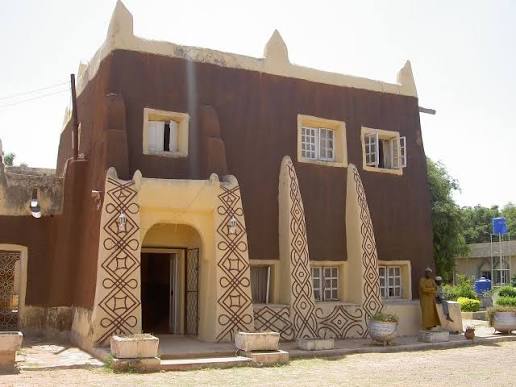
Mud Architecture
Mud was one of the most important building materials.
Properly prepared mud structures offered:
- Durability
- Insulation
- Environmental sustainability
Many traditional buildings remained functional for decades with appropriate maintenance.
Mud architecture represented both practicality and craftsmanship.
Roofing Techniques
Roofing materials varied according to location and historical period.
Traditional options included:
- Thatch
- Palm materials
- Wooden supports
Later developments introduced new materials.
Roof design often emphasized protection from rain and heat.
Decorative Elements
Yoruba architecture frequently incorporated decorative features.
These included:
- Carvings
- Relief designs
- Painted surfaces
Decoration transformed buildings into expressions of artistic creativity.
Architectural beauty was highly valued.
Symbolism in Architecture
Buildings often contained symbolic elements reflecting:
- Spiritual beliefs
- Family identity
- Social values
Architectural symbolism connected physical structures with broader cultural meanings.
This dimension enriched the significance of built environments.
Traditional Palaces
Among the most impressive examples of Yoruba architecture are royal palaces.
Palaces served as:
- Political centers
- Administrative headquarters
- Cultural institutions
Their design reflected the importance of kingship within Yoruba society.
Palaces often occupied central positions within towns.
The Palace as a Political Institution
Royal palaces were more than residences.
They functioned as centers of:
- Governance
- Diplomacy
- Judicial activity
- Ceremonial life
Their architecture supported these diverse functions.
The palace embodied political authority.
Palace Courtyards
Like family compounds, palaces often featured courtyards.
These spaces accommodated:
- Public audiences
- Ceremonies
- Meetings
The courtyards reinforced relationships between rulers and communities.
Their scale reflected the importance of royal institutions.
Sacred Spaces
Architecture also played important roles in religious life.
Communities constructed spaces associated with:
- Orisha worship
- Ritual activities
- Spiritual gatherings
Sacred architecture reflected Yoruba cosmology and religious traditions.
These structures helped facilitate spiritual practices.
Shrines and Religious Buildings
Shrines varied in size and design.
Many contained:
- Sacred objects
- Artistic representations
- Ritual materials
The architecture of shrines emphasized reverence and spiritual significance.
Their preservation remains important for cultural heritage.
Urban Planning in Yoruba Towns
Yoruba towns often exhibited organized layouts.
Important features included:
- Marketplaces
- Palaces
- Residential compounds
- Religious sites
Urban planning reflected social and political priorities.
The arrangement of space facilitated community interaction.
The Importance of Markets
Markets occupied central positions within many Yoruba towns.
They served as centers of:
- Trade
- Communication
- Social interaction
Architectural planning often ensured easy access to these important spaces.
Markets contributed significantly to urban vitality.
Defensive Architecture
Security concerns influenced some architectural decisions.
Communities constructed defensive features such as:
- Walls
- Gates
- Strategic layouts
These measures helped protect residents during periods of conflict.
Defense formed an important consideration in settlement planning.
Influence of Islam
The spread of Islam introduced new architectural influences.
Mosques became important features of many communities.
Islamic architectural elements included:
- Prayer spaces
- Decorative motifs
- Distinctive layouts
These influences enriched Yoruba architectural diversity.
Influence of Christianity
Christianity also contributed to architectural change.
Church construction introduced new styles and building techniques.
Christian buildings became important landmarks within many Yoruba towns.
Their presence reflected changing religious landscapes.
Colonial Architectural Influences
Colonial rule brought additional architectural innovations.
New materials and techniques became available.
Colonial-era buildings often featured:
- Verandas
- Brick construction
- European-inspired layouts
These influences interacted with existing traditions.
Emergence of Hybrid Styles
Rather than completely replacing traditional architecture, foreign influences often blended with local practices.
The result was the development of hybrid architectural styles.
These structures reflected both continuity and adaptation.
Hybrid architecture remains visible in many communities.
Modern Urban Development
The twentieth century witnessed rapid urban growth.
Cities such as:
- Lagos
- Ibadan
- Abeokuta
expanded dramatically.
Urbanization transformed architectural landscapes.
New forms of housing and infrastructure emerged.
Lagos and Contemporary Architecture
Modern Lagos contains a remarkable diversity of architectural styles.
The city includes:
- Traditional compounds
- Colonial buildings
- Modern skyscrapers
- Contemporary residential developments
This diversity reflects the city’s historical evolution.
Preservation Challenges
Rapid urbanization has created challenges for heritage preservation.
Traditional buildings often face threats from:
- Development pressures
- Environmental factors
- Limited maintenance
Protecting architectural heritage remains an important concern.
Conservation Efforts
Many organizations and communities support efforts to preserve historic structures.
Activities include:
- Restoration projects
- Documentation
- Public education
These initiatives help safeguard important cultural resources.
Architecture and Cultural Identity
Architecture remains an important component of Yoruba identity.
Historic structures connect contemporary communities to:
- Ancestors
- Traditions
- Historical experiences
Preservation strengthens cultural continuity.
Sustainable Building Practices
Traditional Yoruba architecture offers valuable lessons concerning sustainability.
Many historic techniques emphasized:
- Local materials
- Environmental adaptation
- Resource efficiency
Modern architects increasingly recognize the value of such approaches.
Influence on Contemporary Design
Contemporary architects sometimes draw inspiration from traditional Yoruba forms.
Elements such as:
- Courtyards
- Natural ventilation
- Community-oriented layouts
continue to influence modern design.
This relationship demonstrates the enduring relevance of traditional knowledge.
Lessons from Yoruba Architecture
The history of Yoruba architecture teaches important lessons:
- Buildings reflect cultural values.
- Sustainability matters.
- Communities shape design.
- Heritage deserves preservation.
- Innovation and tradition can coexist.
These lessons remain highly relevant today.
The Future of Yoruba Architectural Heritage
The future of Yoruba architecture depends upon balancing preservation and development.
Communities must find ways to:
- Protect historic structures
- Meet contemporary needs
- Promote cultural education
Successful preservation will strengthen future generations’ understanding of their heritage.
Conclusion
Yoruba architecture represents a remarkable tradition of creativity, practicality, and cultural expression. From family compounds and sacred shrines to royal palaces and modern urban developments, Yoruba builders have created environments that reflect social values, environmental knowledge, and artistic achievement.
The evolution of Yoruba architecture demonstrates the ability of societies to adapt while preserving important cultural traditions. Despite modernization and urban growth, many traditional principles continue to influence contemporary design and community life.
As efforts to preserve architectural heritage continue, Yoruba architecture will remain an enduring testament to the ingenuity, resilience, and cultural richness of one of Africa’s most influential civilizations.