Funmilayo Ransome-Kuti – Pioneer of Women’s Rights in Yorubaland
Introduction
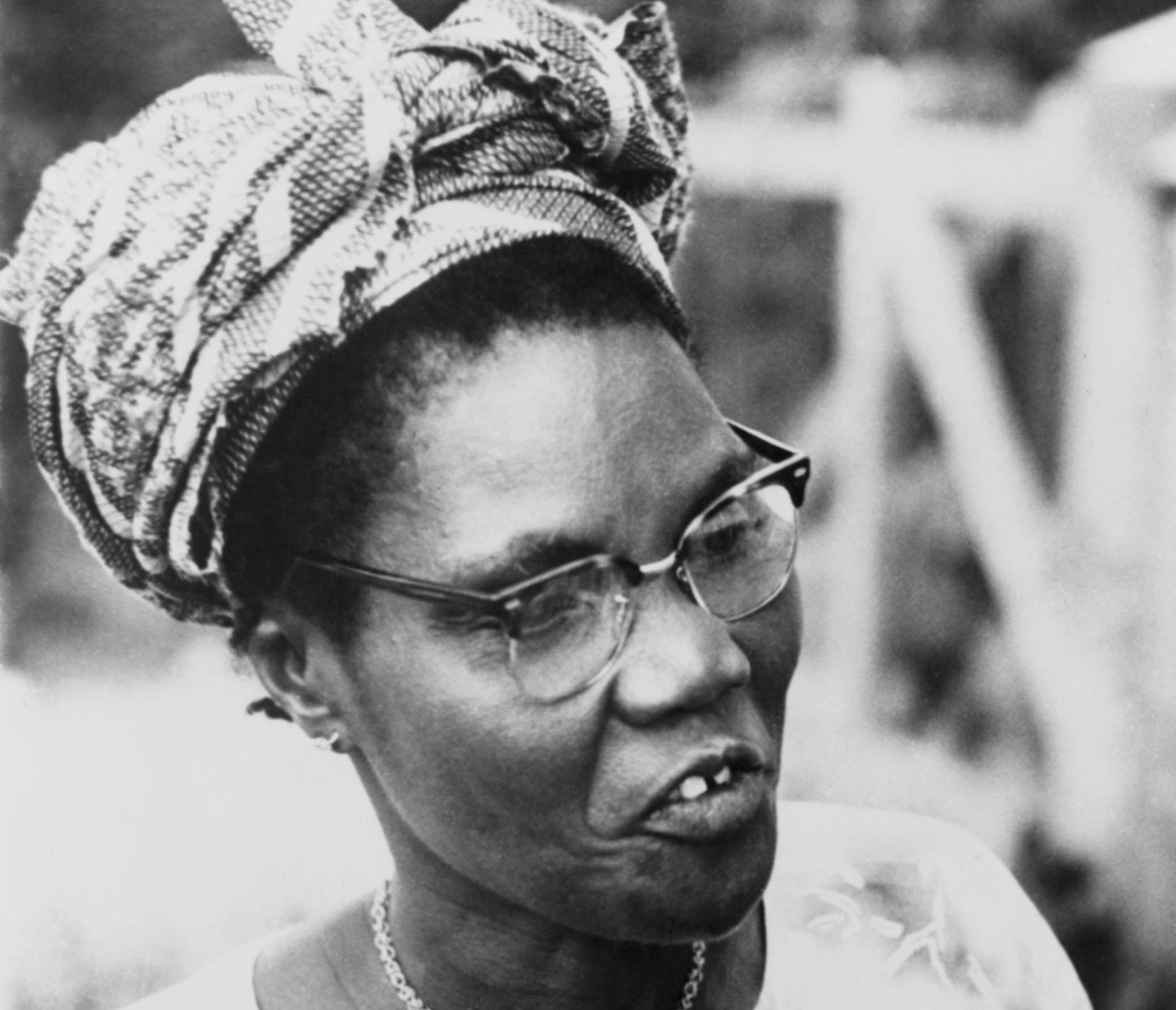
Among the most remarkable women in African history, few have had as profound an impact on social justice, education, political participation, and women’s rights as Funmilayo Ransome-Kuti. A fearless advocate for equality and human dignity, she challenged colonial authorities, confronted traditional power structures, and mobilized thousands of women in pursuit of justice.
Often referred to as the “Lioness of Lisabi,” Funmilayo Ransome-Kuti transformed the political landscape of Yorubaland and Nigeria. Through her activism, she demonstrated that women could be powerful agents of change and that organized grassroots action could challenge even the most entrenched systems of authority.
Her legacy continues to inspire activists, educators, and leaders throughout Africa and beyond.

Early Life and Family Background
Funmilayo Ransome-Kuti was born on October 25, 1900, in Abeokuta.
She grew up during a period of significant social and political change in colonial Nigeria.
Her family valued education and encouraged intellectual development.
These influences helped shape her lifelong commitment to learning and social reform.
From an early age, she displayed qualities that would later define her public life:
- Intelligence
- Confidence
- Determination
- Leadership ability
Her upbringing prepared her to challenge conventions and advocate for change.
Education and Intellectual Development
At a time when educational opportunities for girls were limited, Funmilayo received formal schooling.
Her academic success distinguished her from many of her contemporaries.
Education exposed her to new ideas about:
- Equality
- Citizenship
- Social responsibility
- Public service
She developed a strong belief that education was essential for individual empowerment and community progress.
This conviction would remain central to her activism throughout her life.
Marriage and Partnership
Funmilayo married Israel Oludotun Ransome-Kuti, an educator, religious leader, and advocate for social advancement.
Their marriage was notable for its emphasis on mutual respect and intellectual partnership.
Together, they supported:
- Educational initiatives
- Community development
- Social reform
The partnership provided a foundation for many of Funmilayo’s future activities.
Her husband’s support enabled her to pursue increasingly ambitious public roles.
The Status of Women in Colonial Nigeria
To understand Funmilayo’s significance, it is important to consider the condition of women during her era.
Many women faced limitations in:
- Political participation
- Educational access
- Economic opportunities
- Public leadership
Although Yoruba women traditionally held important economic roles, colonial policies often reduced their influence.
Taxation systems, administrative structures, and political institutions frequently excluded women from decision-making processes.
Funmilayo recognized these inequalities and resolved to challenge them.
Commitment to Women’s Education
One of her earliest priorities was expanding educational opportunities for women.
She believed education enabled women to:
- Improve their economic prospects
- Participate in public life
- Support their families
- Contribute to community development
She organized programs that encouraged literacy and learning among women.
These initiatives helped increase confidence and civic awareness.
Education became a key tool in her broader campaign for empowerment.
Formation of Women’s Organizations
Funmilayo understood the power of collective action.
She helped establish organizations that united women around shared concerns.
These groups provided platforms for:
- Advocacy
- Education
- Political engagement
- Community support
By organizing women, she transformed isolated grievances into coordinated movements.
This strategy proved highly effective.
It allowed women to exercise influence on an unprecedented scale.
The Abeokuta Women’s Union
Perhaps her most famous achievement was the creation of the Abeokuta Women’s Union.
The organization became one of the most influential women’s movements in Nigerian history.
Its membership eventually numbered in the thousands.
The union addressed issues including:
- Taxation
- Representation
- Economic justice
- Political rights
Under Funmilayo’s leadership, it became a powerful voice for ordinary women.
The movement demonstrated the effectiveness of grassroots activism.
Opposition to Unfair Taxation
One of the major issues confronting women in Abeokuta involved taxation.
Many believed tax policies imposed unfair burdens while denying women meaningful representation.
Funmilayo argued that:
- Citizens should have a voice in decisions affecting them.
- Taxation should be equitable.
- Public authorities should be accountable.
These arguments resonated strongly with local women.
The issue became a focal point for broader demands for justice and reform.
Mass Mobilization
Funmilayo excelled at mobilizing large numbers of people.
She organized:
- Public meetings
- Demonstrations
- Petitions
- Educational campaigns
Her ability to communicate with women from diverse backgrounds contributed greatly to the movement’s success.
Participants included:
- Traders
- Farmers
- Artisans
- Homemakers
The movement united women across social and economic divisions.
Challenging Colonial Authorities
Funmilayo was not intimidated by colonial officials.
She openly criticized policies she considered unjust.
Her activism challenged assumptions that women should remain silent in public affairs.
Through persistence and organization, she forced authorities to respond to community concerns.
Her courage earned widespread admiration.
At the same time, it sometimes attracted opposition from powerful interests.
Advocacy for Democratic Principles
Beyond specific issues, Funmilayo promoted broader democratic values.
She advocated:
- Accountability
- Transparency
- Participation
- Equality before the law
She believed that governments should serve the people rather than dominate them.
These principles guided her activism and influenced future generations of political leaders.
Relations with Traditional Authorities
Funmilayo’s campaigns occasionally brought her into conflict with traditional institutions.
She respected Yoruba culture but opposed practices she viewed as unjust.
Her approach reflected a belief that traditions could evolve while preserving their essential values.
This willingness to challenge authority distinguished her from many contemporaries.
It also demonstrated her commitment to principle over convenience.
National and International Influence
As her reputation grew, Funmilayo became known beyond Abeokuta and Nigeria.
She participated in national political discussions and established connections with international movements.
Her work attracted attention from:
- Activists
- Scholars
- Political leaders
- Journalists
These relationships expanded the reach of her ideas and strengthened her influence.
She became one of Africa’s most prominent female public figures.
Role in Nigerian Nationalism
Funmilayo supported the broader struggle against colonial rule.
She believed political independence should be accompanied by social justice and equality.
Her activism contributed to the development of nationalist consciousness.
She encouraged citizens to participate actively in shaping their future.
Her efforts helped prepare the ground for democratic engagement in independent Nigeria.
Champion of Women’s Political Participation
Funmilayo insisted that women deserved full participation in political life.
She rejected the notion that politics was exclusively a male domain.
Her advocacy encouraged women to:
- Vote
- Organize
- Campaign
- Seek leadership positions
These efforts expanded opportunities for future generations.
Many later female leaders benefited from the foundations she helped establish.
Family Legacy
Funmilayo’s influence extended to her family.
She raised children who would become prominent figures in Nigerian society.
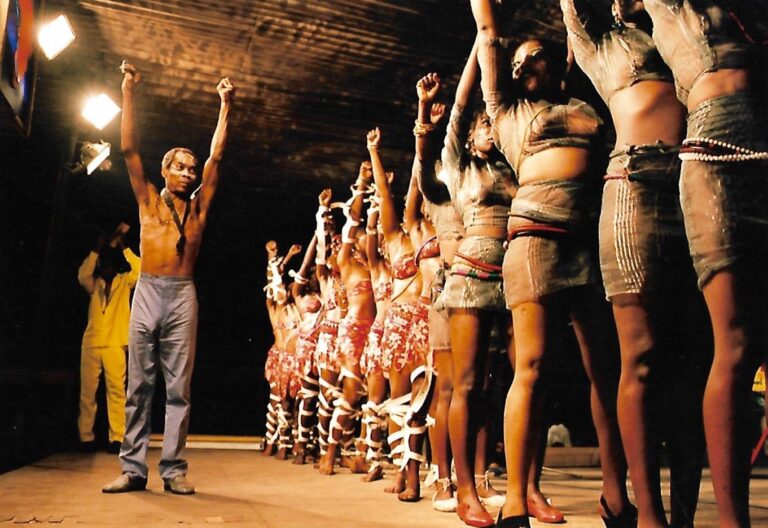
Among them was Fela Kuti, one of Africa’s most influential musicians and social critics.
The family’s commitment to challenging injustice reflected values that Funmilayo championed throughout her life.
Her example inspired both relatives and admirers.
Personal Qualities
Several characteristics contributed to her effectiveness:
Courage
She confronted powerful institutions without fear.
Intelligence
She approached problems strategically.
Determination
She remained committed despite obstacles.
Compassion
Her activism focused on improving people’s lives.
These qualities made her an exceptional leader.
Challenges and Opposition
Funmilayo’s activism was not without difficulties.
She faced:
- Political resistance
- Personal attacks
- Institutional opposition
- Social criticism
Yet she persisted.
Her willingness to endure hardship for her principles strengthened her credibility and influence.
Many supporters viewed her perseverance as evidence of genuine commitment.
Legacy in Women’s Rights
Funmilayo’s contributions transformed discussions about women’s roles in society.
Her achievements demonstrated that women could:
- Lead mass movements
- Influence public policy
- Shape national debates
- Drive social change
Today, she is widely recognized as one of the pioneers of women’s rights in Africa.
Her work continues to inspire advocacy for equality and justice.
Recognition and Honors
Over time, Funmilayo received increasing recognition for her contributions.
She is celebrated through:
- Academic studies
- Public memorials
- Educational programs
- Historical commemorations
Her reputation has grown steadily since her lifetime.
She is now regarded as one of Nigeria’s most important historical figures.
Lessons from Her Life
Funmilayo’s story offers valuable lessons:
- Education empowers individuals and communities.
- Organized action can achieve meaningful change.
- Leadership requires courage and persistence.
- Equality strengthens society.
- Ordinary citizens have the power to influence history.
These lessons remain relevant in contemporary struggles for justice.
Enduring Influence
The impact of Funmilayo Ransome-Kuti extends far beyond her own era.
Her ideas continue to influence:
- Women’s organizations
- Civil society groups
- Educational initiatives
- Democratic movements
She remains a symbol of resistance to injustice and commitment to public service.
Her legacy transcends national boundaries and generations.
Conclusion
Funmilayo Ransome-Kuti stands among the greatest pioneers of women’s rights in African history. Through education, activism, and fearless leadership, she challenged inequality and expanded opportunities for countless women.
Her work with the Abeokuta Women’s Union demonstrated the power of grassroots organization, while her advocacy for democratic participation helped shape modern Nigerian political culture. She showed that courage, determination, and collective action can overcome even the most formidable obstacles.
Today, her legacy continues to inspire those who seek justice, equality, and human dignity. As a leader, educator, activist, and visionary, Funmilayo Ransome-Kuti remains one of the most influential daughters of Yorubaland and a lasting symbol of the transformative power of civic engagement.