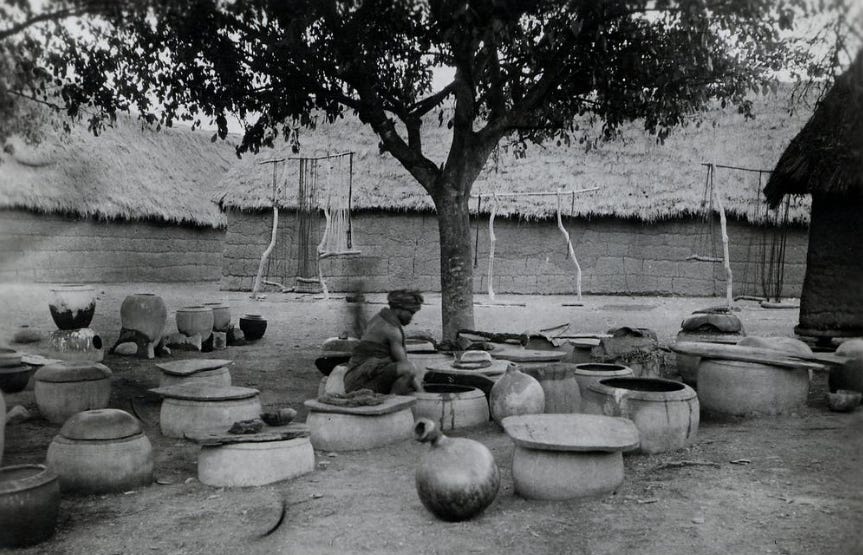
Ancient Yoruba City-States and Their Development
Introduction
One of the most remarkable features of Yoruba civilization was the development of powerful and sophisticated city-states. Long before the arrival of European colonial powers, the Yoruba people had established thriving urban centers characterized by organized governments, vibrant markets, advanced craftsmanship, and complex social institutions.
Unlike some civilizations that developed under a single centralized empire, the Yoruba created a network of independent but culturally connected city-states. These cities became centers of political authority, economic activity, religion, education, and artistic achievement. Together, they formed one of the most urbanized societies in pre-colonial Africa.
The history of these city-states provides valuable insight into the ingenuity, adaptability, and organizational skills of the Yoruba people.

Understanding the Yoruba City-State System
A city-state is a self-governing urban center that exercises authority over surrounding towns and villages. Each Yoruba city-state functioned as an independent political entity with its own ruler, administrative structure, military forces, and religious institutions.
Despite their independence, Yoruba city-states shared common language, traditions, religious beliefs, and a sense of ancestry linked to Ile-Ife and Oduduwa.
This unique arrangement allowed individual cities to pursue their own development while remaining connected through cultural ties and trade networks.
The result was a dynamic civilization characterized by both cooperation and competition.
The Origins of Yoruba Urbanization
The emergence of Yoruba city-states was a gradual process that unfolded over many centuries.
Several factors contributed to their development:
Agricultural Prosperity
The fertile lands of Yorubaland supported the cultivation of crops such as yam, cassava, maize, vegetables, and oil palm products.
Reliable food production enabled populations to grow and settlements to expand.
Trade Networks
Strategic locations along trade routes allowed communities to exchange goods with neighboring regions.
Commerce encouraged wealth creation and attracted skilled artisans and merchants.
Political Organization
As populations increased, communities developed systems of governance to manage resources, resolve disputes, and maintain security.
Religious Significance
Sacred sites and religious institutions often became focal points around which settlements grew.
Together, these factors transformed villages into towns and eventually into major urban centers.
Ile-Ife: The First Great City
Among all Yoruba city-states, Ile-Ife holds a special position.
According to tradition, it was the birthplace of Yoruba civilization and the seat of Oduduwa. Archaeological evidence confirms that Ife was a highly developed urban center by the first millennium CE.
The city became renowned for:
- Religious leadership
- Political influence
- Artistic excellence
- Skilled craftsmanship
- Long-distance trade
Its famous bronze and terracotta sculptures demonstrated extraordinary technical ability.
As a cultural and spiritual center, Ile-Ife influenced the development of numerous other Yoruba city-states.
Oyo: The Military and Political Powerhouse
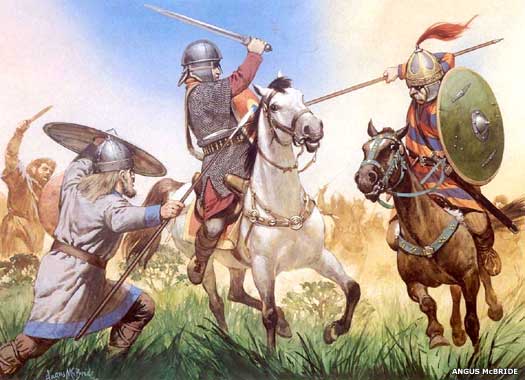
While Ife served as the spiritual center of Yorubaland, Oyo emerged as its greatest political and military power.
Located in the northern savannah region, Oyo benefited from access to important trade routes and open terrain suitable for cavalry warfare.
The city developed into the capital of the powerful Oyo Empire.
Several factors contributed to Oyo’s success:
Strong Leadership
The Alaafin served as ruler, supported by councils and administrative officials.
Military Excellence
Oyo maintained a highly organized army that protected trade routes and expanded territorial influence.
Economic Prosperity
The city controlled commerce involving agricultural goods, textiles, leather products, and imported items.
Diplomatic Influence
Oyo established relationships with neighboring states and exercised authority over vast territories.
At its peak, Oyo became one of the most influential states in West Africa.
Ijebu: Masters of Trade
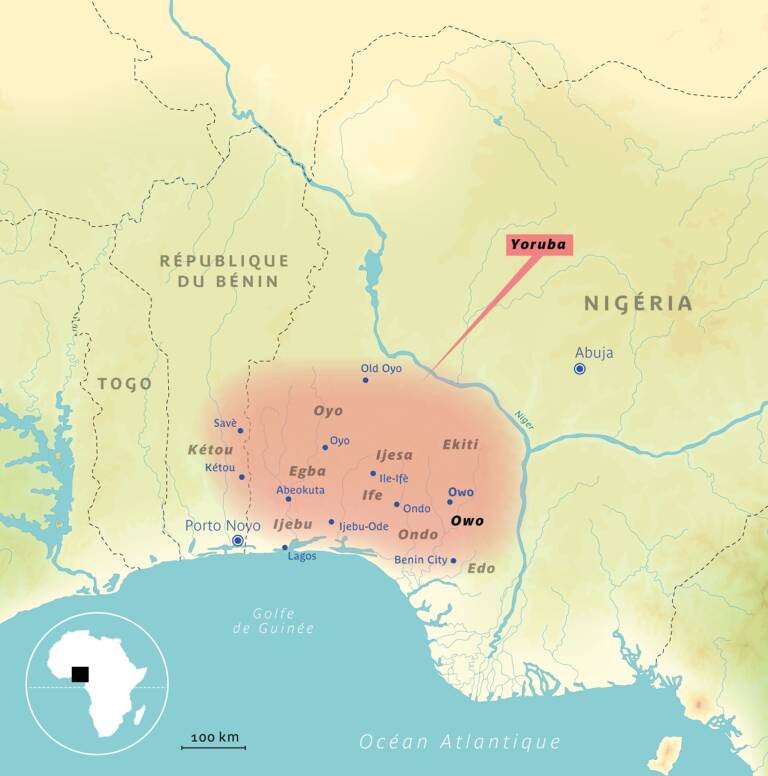
The Ijebu city-state occupied a strategic location between the Yoruba interior and coastal regions.
This position allowed Ijebu merchants to dominate important trade routes connecting inland markets to the Atlantic coast.
The Ijebu people became known for:
- Commercial expertise
- Market organization
- Financial management
- Trade diplomacy
Their economic success generated considerable wealth and enabled the development of strong political institutions.
Ijebu’s reputation as a commercial powerhouse endured for centuries.
Egba and Abeokuta
The Egba people established several important settlements that later became concentrated around Abeokuta.
The city grew rapidly during the nineteenth century as various groups sought protection from regional conflicts.
Natural rock formations provided defensive advantages, making Abeokuta a secure settlement.
The city became known for:
- Effective governance
- Strong military defenses
- Agricultural production
- Missionary education
- Commercial activity
Over time, Abeokuta developed into one of the most important urban centers in Yorubaland.
Ondo and Eastern Yorubaland
The Kingdom of Ondo emerged through traditions linked to the descendants of Oduduwa.
Situated in the eastern part of Yorubaland, Ondo developed a distinct identity while maintaining cultural ties with other Yoruba communities.
The city became recognized for:
- Stable governance
- Agricultural productivity
- Artistic traditions
- Religious institutions
Its rulers played important roles in regional politics and cultural preservation.
Ekiti City-States
The Ekiti region consisted of numerous city-states rather than a single centralized kingdom.
Cities such as Ado-Ekiti, Ikere, Ijero, and others maintained independent governments while sharing linguistic and cultural similarities.
The mountainous terrain of Ekiti encouraged political decentralization and local autonomy.
These communities became known for:
- Education
- Agriculture
- Strong family structures
- Respect for traditional institutions
The diversity of the Ekiti city-states enriched the broader Yoruba civilization.
Governance in Yoruba City-States
One of the most impressive aspects of Yoruba civilization was its sophisticated political organization.
Most city-states were governed through a balance of authority involving:
Kings
The ruler served as the symbolic and political head of the community.
Chiefs
Councils of chiefs advised rulers and participated in decision-making.
Religious Leaders
Priests and spiritual authorities played important roles in maintaining moral order.
Community Associations
Various groups represented the interests of merchants, artisans, farmers, and families.
This system promoted accountability and helped prevent excessive concentration of power.
Economic Foundations of the City-States
Economic prosperity supported the growth of Yoruba urban centers.
Major economic activities included:
Agriculture
Farmers produced food crops and cash crops that sustained local populations.
Trade
Markets facilitated the exchange of goods within and beyond Yorubaland.
Craftsmanship
Artisans specialized in:
- Metalworking
- Pottery
- Weaving
- Bead making
- Leather production
- Sculpture
Taxation
Governments collected revenues that supported public administration and defense.
These activities created wealth and encouraged urban growth.
Markets as Centers of Urban Life
Markets occupied a central place in Yoruba city-states.
More than locations for buying and selling, markets served as:
- Social gathering places
- Information centers
- Cultural meeting points
- Political discussion venues
Women played especially important roles in market activities.
Many became successful traders whose influence extended beyond commerce into community leadership.
The vitality of Yoruba markets contributed significantly to urban prosperity.
Religion and Urban Development
Religion shaped every aspect of city-state life.
Each city contained shrines, sacred groves, temples, and ceremonial spaces dedicated to various Orisha.
Religious festivals attracted visitors, stimulated trade, and strengthened community identity.
Priests and spiritual leaders often served as advisers to rulers and played important roles in governance.
The integration of religion and public life contributed to social cohesion.
Architecture and Urban Planning
Ancient Yoruba cities displayed impressive planning and architectural achievements.
Many cities featured:
- Defensive walls
- Royal palaces
- Market squares
- Residential compounds
- Sacred sites
- Roads connecting districts
Some settlements were surrounded by extensive earthworks that provided protection against external threats.
These structures demonstrate a high level of engineering and organizational capability.
Warfare and Competition
Competition among city-states sometimes led to conflict.
Wars could arise from:
- Territorial disputes
- Trade rivalries
- Succession disagreements
- Political ambitions
However, warfare also encouraged military innovation and political development.
At various times, alliances formed to address common threats and maintain regional stability.
Despite occasional conflicts, shared cultural traditions helped preserve a broader Yoruba identity.
Education and Cultural Transmission
Knowledge was transmitted through:
- Oral traditions
- Apprenticeships
- Family instruction
- Religious education
- Guild training
Children learned history, ethics, crafts, language, and social responsibilities from elders.
This system ensured the continuity of cultural values and practical skills.
The educational traditions of the city-states contributed to the resilience of Yoruba civilization.
Decline and Transformation
The nineteenth century brought significant challenges.
Internal conflicts, external pressures, the Atlantic slave trade, and colonial expansion altered the political landscape.
Some city-states declined, while others adapted to changing circumstances.
Colonial rule eventually replaced many traditional political structures with new administrative systems.
Nevertheless, the cultural legacy of the city-states survived.
Legacy of the Yoruba City-States
The influence of the ancient Yoruba city-states remains visible today.
Their contributions include:
- Democratic traditions of consultation
- Strong local governance
- Rich artistic heritage
- Vibrant commercial culture
- Enduring religious traditions
- Urban planning achievements
Modern cities across southwestern Nigeria continue to reflect institutions and values developed centuries ago.
The legacy of the city-states remains a source of pride for the Yoruba people.
Conclusion
The ancient Yoruba city-states stand among the greatest achievements of African civilization. Through effective governance, economic innovation, cultural creativity, and strong social institutions, they created a network of urban centers that flourished for centuries.
Cities such as Ile-Ife, Oyo, Ijebu, Ondo, Abeokuta, and numerous Ekiti settlements demonstrated that African societies possessed sophisticated political systems and vibrant urban cultures long before colonial rule.
The development of these city-states laid the foundation for Yoruba civilization and continues to influence modern society. Their story is a testament to the resilience, ingenuity, and enduring greatness of the Yoruba people.