
Yoruba Influence on Brazilian, Cuban, and Caribbean Culture
Introduction
Few African cultures have had a global impact as extensive and enduring as that of the Yoruba people. Through the tragic circumstances of the transatlantic slave trade, millions of Africans were forcibly transported to the Americas between the sixteenth and nineteenth centuries. Among them were large numbers of Yoruba men, women, and children from present-day southwestern Nigeria, Benin, and Togo.
Despite the immense suffering of enslavement, Yoruba communities preserved many aspects of their culture, religion, language, music, cuisine, and social traditions. Over time, these traditions blended with local influences and contributed significantly to the development of new cultural expressions throughout Brazil, Cuba, Haiti, Trinidad and Tobago, and other parts of the Caribbean and the Americas.
Today, Yoruba influence remains visible in religious practices, festivals, music, dance, language, food, and community life across the Atlantic world. The survival of these traditions stands as one of history’s most remarkable examples of cultural resilience.
This article explores the spread and impact of Yoruba culture in Brazil, Cuba, and the Caribbean.

The Yoruba and the Atlantic Slave Trade
The transatlantic slave trade was one of the most devastating events in human history.
Millions of Africans were captured and transported to the Americas.
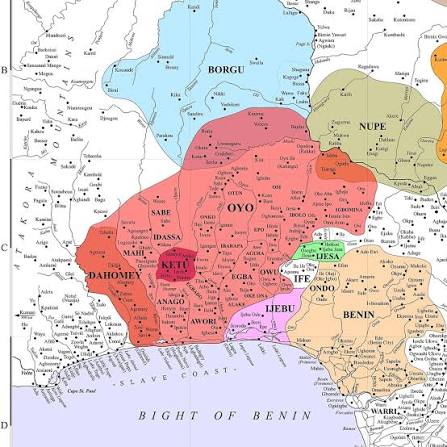
Large numbers came from Yoruba-speaking regions.
Many originated from:
- Oyo
- Egba territories
- Ijebu communities
- Ekiti regions
- Ijesa towns
Their arrival profoundly influenced the societies in which they were forced to live.
Preserving Culture Under Slavery
Enslaved Africans faced enormous pressures to abandon their traditions.
Despite these challenges, Yoruba communities preserved elements of:
- Religion
- Music
- Language
- Rituals
- Social organization
These traditions provided sources of identity, comfort, and resistance.
Cultural preservation became a means of survival.
Formation of Diaspora Communities
Yoruba captives often sought connections with others who shared similar backgrounds.
These relationships helped preserve:
- Shared memories
- Religious beliefs
- Cultural practices
Communities developed networks that strengthened cultural continuity.
Such networks proved essential for the survival of Yoruba traditions.
Yoruba Influence in Brazil
Brazil received more enslaved Africans than any other country in the Americas.
Many Yoruba captives arrived there during the eighteenth and nineteenth centuries.
In Brazil, Yoruba descendants became widely known as:
- Nago
- Yoruba
Their influence remains especially strong in northeastern regions such as Bahia.
Brazil today contains some of the most visible Yoruba cultural legacies outside Africa.
Bahia: A Center of Yoruba Heritage
The Brazilian state of Bahia became a major center of Yoruba cultural preservation.
The region developed strong traditions connected to:
- Religion
- Music
- Dance
- Cuisine
Many cultural practices preserved there can still be traced directly to Yoruba origins.
Bahia remains an important destination for scholars and cultural enthusiasts.
The Religion of Candomblé
One of the most significant examples of Yoruba influence in Brazil is Candomblé.
Candomblé developed through the blending of African traditions with local conditions.
Many of its beliefs and practices derive from Yoruba spirituality.
The religion continues to honor numerous Orisha.
Its survival demonstrates the resilience of Yoruba religious traditions.
Orisha Worship in Brazil
Many Yoruba spiritual figures remain central within Brazilian religious life.
Examples include:
- Sango
- Ogun
- Yemoja
- Osun
- Obatala
Although practices evolved over time, the connection to Yoruba traditions remains clear.
These spiritual figures continue to receive devotion and respect.
Yoruba Language in Brazilian Religion
Yoruba words and phrases survive in religious ceremonies.
Many chants, prayers, and ritual expressions preserve linguistic elements that originated in Yorubaland.
The continued use of these expressions helps maintain historical connections.
Language serves as a bridge between past and present.
Yoruba Influence in Cuban Culture
Cuba also received significant numbers of Yoruba captives.
There, Yoruba traditions contributed to the formation of one of the Caribbean’s most influential religious systems.
The cultural impact remains highly visible today.
Yoruba heritage forms an important part of Cuban identity.
The Development of Santería
One of Cuba’s best-known religious traditions is Santería.
The religion emerged through the interaction of:
- Yoruba spirituality
- Catholic influences
- Caribbean experiences
Santería preserves many Yoruba concepts, symbols, and rituals.
Its continued popularity reflects the enduring relevance of Yoruba traditions.
Yoruba Orisha in Cuba
Many Yoruba Orisha continue to occupy central positions within Cuban religious practice.
Examples include:
Changó
Derived from Sango.
Yemayá
Derived from Yemoja.
Ochún
Derived from Osun.
Obatalá
Derived from Obatala.
These figures remain deeply respected and widely celebrated.
Ritual Music and Drumming
Music plays a central role in Yoruba-derived religious traditions.
Ceremonies often feature:
- Drumming
- Singing
- Dancing
The rhythms and performance styles frequently reflect Yoruba influences.
Music serves both spiritual and cultural functions.
The Importance of Drums
Traditional drums are regarded as sacred instruments in many Yoruba-derived traditions.
They facilitate communication during rituals and ceremonies.
Drumming remains one of the most visible examples of cultural continuity across the Atlantic.
Its significance extends beyond entertainment.
Yoruba Influence in Trinidad and Tobago
Yoruba cultural influences also reached Trinidad and Tobago.
Although the country’s heritage reflects multiple African traditions, Yoruba contributions remain important.
These influences can be observed in:
- Religious practices
- Festivals
- Music
- Community traditions
The legacy continues to shape cultural life.
Yoruba Heritage in Haiti
Haiti’s cultural traditions draw from diverse African sources.
Among these influences are important Yoruba elements.
Concepts, symbols, and spiritual traditions associated with Yoruba culture contributed to the development of Haitian religious practices.
These connections illustrate the broad reach of Yoruba influence.
Language and Cultural Memory
Although many descendants no longer speak Yoruba fluently, language continues to play symbolic roles.
Yoruba words survive in:
- Songs
- Rituals
- Names
- Ceremonial expressions
These linguistic traces preserve historical memory.
They remind communities of their ancestral roots.
Yoruba Names in the Diaspora
Many individuals continue to use Yoruba names as expressions of identity.
Names such as:
- Adewale
- Ayodele
- Olamide
- Folake
serve as reminders of cultural heritage.
The continued use of these names reflects enduring pride in Yoruba ancestry.
Influence on Music
Yoruba musical traditions have had enormous influence across the Atlantic world.
Characteristics such as:
- Complex rhythms
- Percussion ensembles
- Call-and-response singing
appear in numerous musical genres.
These influences have enriched global music.
Influence on Dance
Dance traditions associated with Yoruba culture continue to thrive.
Many movements, performance styles, and ceremonial dances retain clear connections to ancestral practices.
Dance remains an important means of cultural preservation.
Influence on Cuisine
Food traditions also survived the Atlantic crossing.
Many communities adapted Yoruba culinary practices using locally available ingredients.
Cuisine became another means of preserving identity and memory.
Traditional foods often occupy important places in cultural celebrations.
Festivals and Cultural Celebrations
Across the Americas and the Caribbean, festivals celebrate African heritage and Yoruba traditions.
These events often feature:
- Music
- Dance
- Religious ceremonies
- Traditional attire
Festivals strengthen community identity and cultural awareness.
Cultural Resistance
The preservation of Yoruba traditions represented a form of resistance.
Maintaining cultural practices helped communities preserve dignity and identity despite oppression.
Culture became a source of strength.
This resilience remains one of the most inspiring aspects of the Yoruba diaspora experience.
Academic Interest
Scholars around the world study Yoruba influences in the Americas.
Research explores topics including:
- Religion
- Music
- Language
- History
- Anthropology
Academic interest has increased understanding of the global significance of Yoruba culture.
Reconnection with Yorubaland
In recent decades, many descendants of enslaved Africans have sought to reconnect with their Yoruba roots.
Activities include:
- Visiting Nigeria
- Studying Yoruba language
- Participating in cultural exchanges
These efforts strengthen relationships between Africa and the diaspora.
Modern Cultural Exchanges
Contemporary technology has expanded opportunities for cultural exchange.
Diaspora communities can now connect directly with Yoruba communities through:
- Social media
- Educational programs
- Cultural organizations
These connections encourage mutual understanding.
Contributions to Global Culture
The influence of Yoruba traditions extends far beyond specific regions.
Yoruba cultural contributions have enriched:
- Religion
- Music
- Literature
- Art
- Scholarship
Their global impact continues to grow.
Preservation Challenges
Despite many successes, cultural preservation faces challenges.
These include:
- Assimilation
- Language loss
- Generational change
Addressing these issues requires active cultural education and engagement.
Lessons from the Yoruba Diaspora Experience
The history of Yoruba influence in the Americas teaches important lessons:
- Culture can survive extraordinary hardship.
- Identity remains powerful across generations.
- Heritage strengthens communities.
- Diversity enriches societies.
- Cultural exchange benefits humanity.
These lessons remain relevant today.
The Enduring Legacy of Yoruba Influence
Centuries after the transatlantic slave trade, Yoruba traditions continue to flourish.
Their survival demonstrates remarkable resilience.
The influence of Yoruba culture can be seen across continents and generations.
Its legacy remains vibrant and dynamic.
Conclusion
The influence of Yoruba culture on Brazil, Cuba, and the Caribbean represents one of the most remarkable stories of cultural survival in world history. Despite the horrors of slavery, Yoruba communities preserved their traditions and transmitted them across generations, creating enduring legacies that continue to shape religious, musical, linguistic, and cultural life.
From Candomblé in Brazil to Santería in Cuba and numerous traditions throughout the Caribbean, Yoruba heritage remains a powerful force in the modern world. These traditions connect millions of people to their African ancestry while enriching the cultural diversity of global society.
The story of Yoruba influence across the Atlantic is ultimately a story of resilience, creativity, and the enduring power of culture. It stands as a testament to the strength of a people whose heritage continues to inspire and unite communities around the world.