Sango – King, Warrior, and Deity of Thunder
Introduction
Among all the figures in Yoruba history and mythology, few are as celebrated as Sango (also spelled Shango). Revered as a powerful king, feared as a formidable warrior, and worshipped as the Orisha of thunder and lightning, Sango occupies a unique position in Yoruba civilization.
His story bridges history, religion, politics, and culture. To some, Sango was a historical Alaafin of Oyo who ruled centuries ago. To others, he is a divine being whose power continues to influence the lives of millions. In reality, Sango’s legacy combines elements of both history and sacred tradition.
Today, Sango remains one of the most widely known and respected figures in Yoruba culture. His influence extends far beyond Nigeria into Benin, Togo, Brazil, Cuba, Trinidad, Haiti, and other parts of the world where Yoruba traditions took root.

Who Was Sango?
According to Yoruba tradition, Sango was one of the early Alaafins of Oyo.
He is often identified as the third or fourth ruler of the kingdom, though exact historical dates remain uncertain.
Sango was said to possess extraordinary qualities:
- Courage
- Charisma
- Military brilliance
- Physical strength
- Commanding leadership
Stories describe him as a ruler whose presence inspired both admiration and fear.
His achievements on the battlefield helped strengthen Oyo during its formative years.
Over time, legends surrounding his life grew, transforming him into one of the most important figures in Yoruba spiritual tradition.
The Historical Sango
Historical evidence suggests that Sango was likely a real ruler.
As Alaafin, he governed Oyo during a period when the kingdom was expanding its influence.
Traditions portray him as:
- A successful military leader
- An ambitious monarch
- A centralizing force in government
- A symbol of royal authority
His reign became associated with strength and power.
Even centuries later, memories of his leadership remained vivid in oral traditions.
These memories contributed to his eventual deification.
Sango’s Rise to Power
According to tradition, Sango came from a royal lineage connected to the founders of Oyo.
His accession to the throne placed him in a position of tremendous responsibility.
The kingdom faced numerous challenges:
- Territorial disputes
- External threats
- Internal political rivalries
Sango responded with determination and military vigor.
His leadership helped consolidate Oyo’s position and establish foundations for future growth.
This success contributed greatly to his legendary reputation.
Sango as a Warrior King
One of the most enduring aspects of Sango’s image is that of a warrior king.
Stories describe him leading military campaigns with remarkable bravery.
His soldiers reportedly admired him for:
- Fearlessness in battle
- Strategic thinking
- Physical courage
- Ability to inspire loyalty
Victory on the battlefield enhanced both his authority and prestige.
Military success became a defining feature of his legacy.
As a result, later generations remembered him as one of Oyo’s greatest rulers.
The Legend of Thunder and Lightning
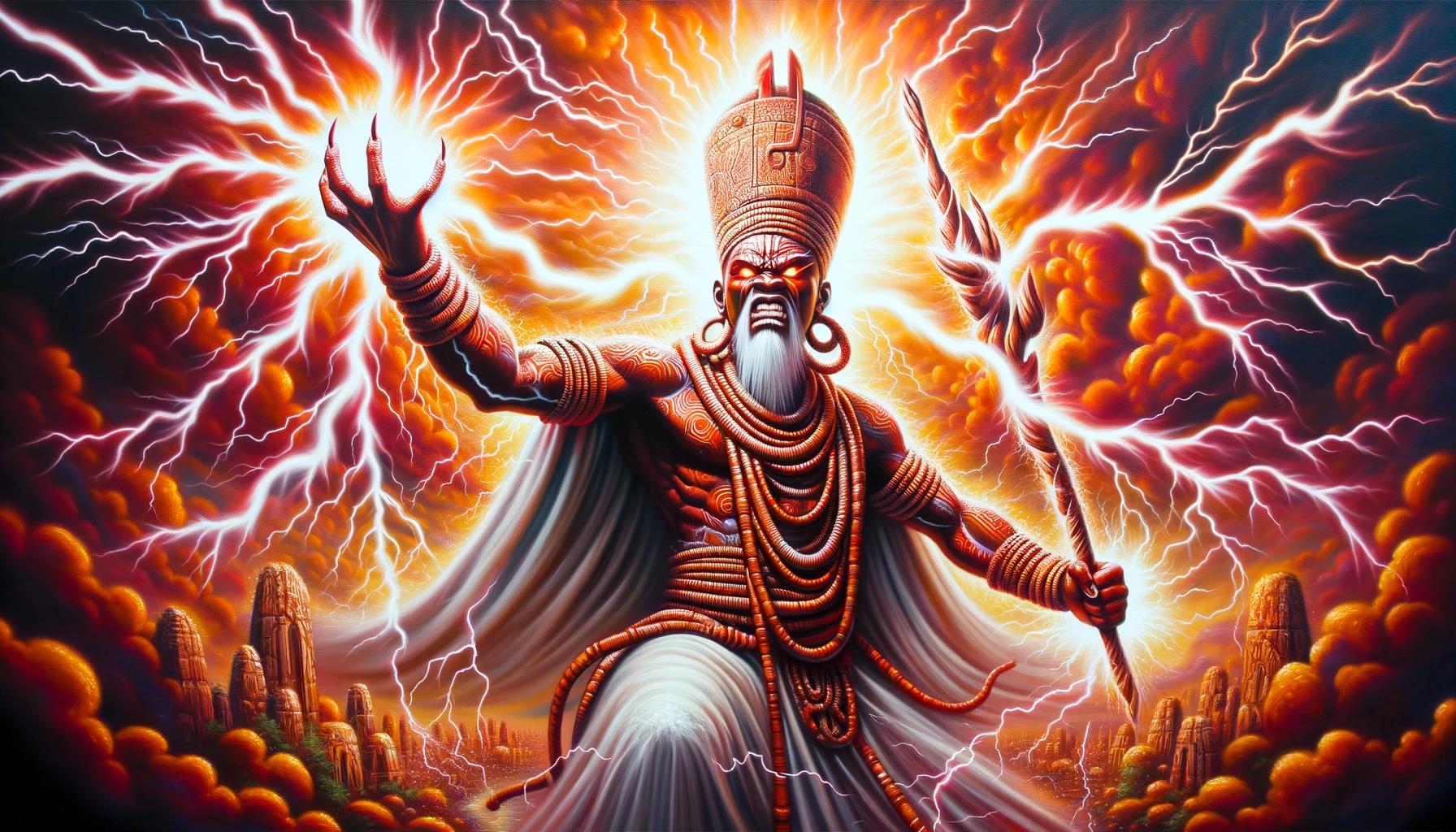
The most famous stories about Sango involve his association with thunder and lightning.
According to tradition, Sango possessed mystical powers that enabled him to command fire from the sky.
Some narratives describe him:
- Summoning lightning
- Controlling storms
- Punishing enemies with thunder
- Demonstrating supernatural strength
These accounts elevated him beyond the status of an ordinary king.
He became associated with forces of nature themselves.
Over time, this connection formed the basis of his worship as an Orisha.
The Double-Headed Axe
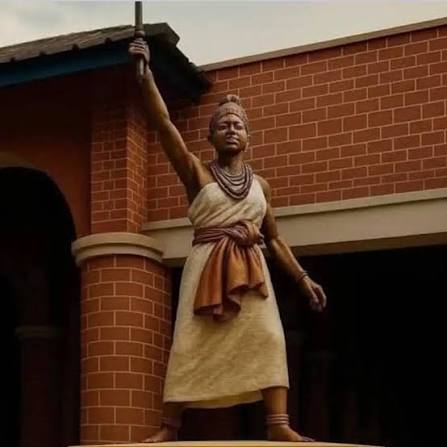
One of Sango’s most recognizable symbols is the double-headed axe.
Known as the oshe, this symbol represents:
- Justice
- Power
- Authority
- Balance
The axe appears in:
- Religious ceremonies
- Sculptures
- Shrines
- Traditional art
Its image remains strongly associated with Sango throughout the Yoruba world.
The symbol reflects both his royal authority and divine power.
The Tragic End of Sango
Various traditions describe Sango’s death differently.
One widely known version states that he accidentally caused destruction through his supernatural powers.
Overcome by grief and shame, he left Oyo and eventually took his own life.
Another version suggests that political opposition forced him into exile.
Regardless of the specific narrative, tradition emphasizes that his departure was dramatic and transformative.
Rather than disappearing from memory, Sango’s influence grew even stronger after death.
The Deification of Sango
Following his death, Sango was transformed from king to deity.
The Yoruba came to regard him as an Orisha—a divine being serving as an intermediary between humanity and Olodumare, the Supreme Creator.
This transformation reflected several factors:
- His extraordinary reputation
- Popular admiration
- Association with natural forces
- Spiritual interpretations of historical events
As an Orisha, Sango became the embodiment of thunder, lightning, justice, and masculine energy.
His worship spread throughout Yorubaland and beyond.
Sango as an Orisha
In Yoruba religion, Sango occupies a prominent position among the Orisha.
He is associated with:
- Thunder
- Lightning
- Fire
- Justice
- Courage
- Leadership
Devotees seek his assistance in matters involving:
- Truth
- Protection
- Strength
- Victory over adversity
His worship remains vibrant centuries after his death.
Millions continue to honor him through rituals and ceremonies.
The Moral Symbolism of Sango
Sango represents more than physical power.
He also symbolizes moral principles.
Among these are:
Justice
Wrongdoing ultimately faces consequences.
Courage
Individuals should confront challenges bravely.
Leadership
Authority carries responsibility.
Integrity
Power should be exercised fairly.
These values help explain why Sango remains relevant in contemporary society.
His story continues to inspire ethical reflection.
Festivals Dedicated to Sango
Throughout Yorubaland, festivals celebrate Sango’s legacy.
These events often feature:
- Music
- Dance
- Drumming
- Processions
- Religious ceremonies
Participants honor both the historical king and the divine Orisha.
Festivals strengthen community bonds and preserve cultural traditions.
They also provide opportunities for education and cultural transmission.
Sango and Yoruba Music
Music plays a central role in Sango worship.
Special rhythms and drum patterns are associated with him.
Traditional instruments include:
- Bata drums
- Talking drums
- Percussion ensembles
Musicians use these instruments to invoke spiritual energy and celebrate Sango’s power.
The influence of these musical traditions extends into contemporary African and diaspora music.
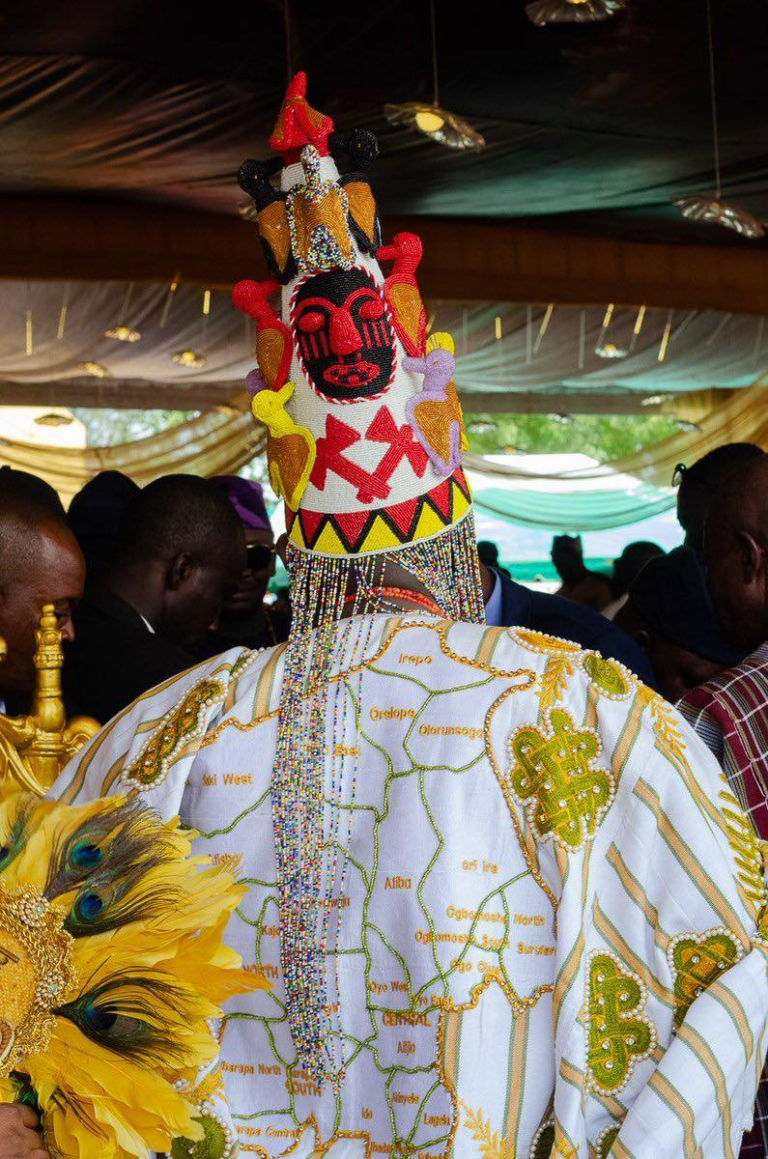
Sango in Yoruba Art
Artists have long drawn inspiration from Sango.
His image appears in:
- Wood carvings
- Metal sculptures
- Textiles
- Masks
- Religious objects
These artistic representations often emphasize:
- Strength
- Royal dignity
- Spiritual authority
The visual legacy of Sango remains one of the most recognizable elements of Yoruba art.
Sango in the African Diaspora
The Atlantic Slave Trade carried Yoruba traditions across the world.
As a result, Sango became known far beyond Africa.
In different regions, he appears under related names and traditions:
Brazil
Within Candomblé traditions.
Cuba
As a major figure in Santería.
Trinidad and Tobago
Within Orisha religious practices.
Other Regions
Throughout the Caribbean and Latin America.
His worship demonstrates the global reach of Yoruba culture.
Sango and Masculinity
Sango is often regarded as a symbol of positive masculinity.
His qualities include:
- Confidence
- Courage
- Leadership
- Responsibility
- Protection of others
At the same time, stories about his flaws remind followers that power must be balanced by wisdom.
This complexity makes him a deeply human and relatable figure.
Historical Versus Mythological Perspectives
Scholars distinguish between:
- The historical Sango
- The legendary Sango
- The divine Sango
While historical evidence remains limited, oral traditions provide valuable insights into how Yoruba communities understood leadership and spirituality.
The blending of history and mythology is common in many cultures.
Rather than diminishing Sango’s significance, it enriches his legacy.
Sango in Modern Popular Culture
Today, Sango continues to appear in:
- Literature
- Films
- Music
- Visual arts
- Academic studies
His image remains a powerful symbol of Yoruba identity.
Modern creators frequently draw upon his story to explore themes of power, justice, and cultural heritage.
This ongoing relevance reflects the enduring strength of his legacy.
Lessons from Sango’s Life
The story of Sango offers several important lessons:
- Leadership requires courage.
- Power must be exercised responsibly.
- Justice remains essential for social harmony.
- Great achievements often involve personal sacrifice.
- Cultural traditions preserve valuable wisdom.
These lessons continue to resonate across generations.
The Enduring Legacy of Sango
More than any single achievement, Sango’s greatest legacy may be his enduring presence in Yoruba consciousness.
Centuries after his reign, he remains:
- A symbol of strength
- A model of leadership
- A spiritual protector
- A cultural icon
His influence spans continents and generations.
Very few historical figures have achieved such lasting significance.
Conclusion
Sango occupies a unique place in Yoruba history, religion, and culture. As a king, he helped shape the early development of Oyo. As a warrior, he became a symbol of courage and power. As an Orisha, he transformed into one of the most revered spiritual figures in the Yoruba world.
His story combines history, mythology, and faith in a way that continues to inspire millions. Whether viewed as a historical ruler, a legendary hero, or a divine being, Sango remains one of the greatest figures in Yoruba civilization.
His thunder still echoes through Yoruba songs, festivals, prayers, and traditions, reminding generations of the enduring power of leadership, justice, and cultural identity