Wole Soyinka – Nobel Laureate and Global Voice of Yoruba Culture
Introduction
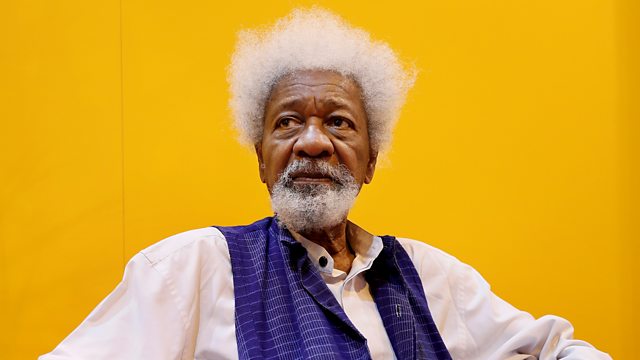
Among the most celebrated intellectuals, writers, and cultural figures in African history, Wole Soyinka stands as a towering symbol of creativity, courage, scholarship, and social conscience. Playwright, poet, novelist, essayist, professor, and political activist, Soyinka became the first African to receive the Nobel Prize in Literature and remains one of the most influential voices in world literature.
For more than six decades, Soyinka has used his writings and public engagements to explore themes of freedom, justice, identity, power, culture, and human dignity. Deeply rooted in Yoruba traditions yet globally engaged, he has built bridges between African heritage and universal human concerns.
His works have introduced millions of readers to Yoruba mythology, philosophy, and worldview while challenging oppression, authoritarianism, and social injustice wherever they appear.
This article examines the life, achievements, literary contributions, activism, and enduring legacy of Wole Soyinka.

Early Life and Family Background
Akinwande Oluwole Babatunde Soyinka was born on July 13, 1934, in Abeokuta, in present-day Ogun State, Nigeria.
He was raised in an environment that valued:
- Education
- Discipline
- Intellectual inquiry
- Public service
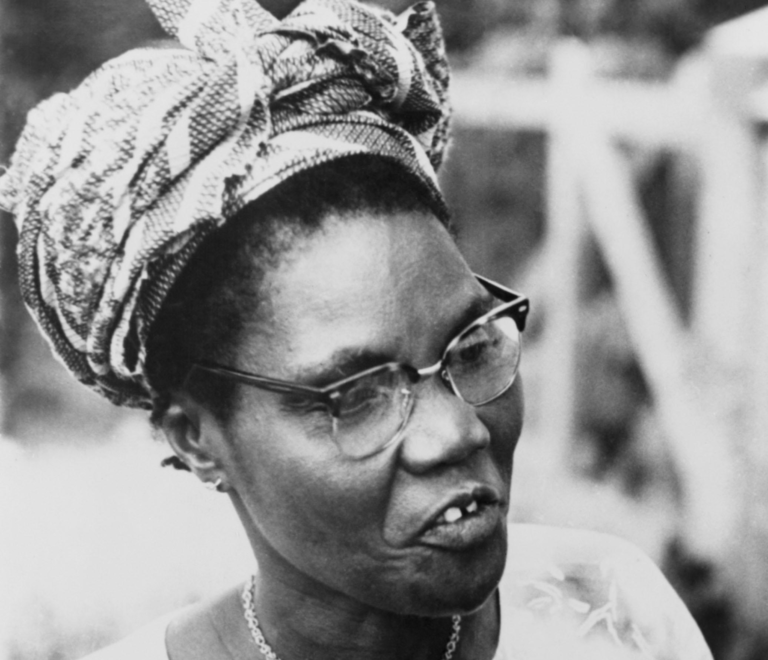
His father was a respected educator, while his mother was a trader and social activist.
The combination of scholarship and civic engagement within his family significantly influenced his development.
Childhood in Abeokuta
Growing up in Abeokuta exposed Soyinka to a rich blend of cultural influences.
He experienced:
- Yoruba traditions
- Christian teachings
- Colonial institutions
- Community life
These diverse influences later became important themes in his writings.
His childhood observations provided material that would shape many of his literary works.
Early Education
Soyinka excelled academically from an early age.
He attended respected schools where he developed strong interests in:
- Literature
- History
- Drama
- Language
His teachers quickly recognized his intellectual abilities.
Education opened pathways that would eventually lead him onto the global stage.
University Education
Soyinka pursued higher education at the University College Ibadan.
There, he deepened his engagement with literature, theatre, and intellectual debate.
His university years encouraged critical thinking and artistic experimentation.
He also became increasingly interested in questions concerning society and political responsibility.
Studies in the United Kingdom
After his studies in Nigeria, Soyinka continued his education in the United Kingdom.
He attended the University of Leeds, where he studied English literature.
Exposure to global literary traditions broadened his perspective.
However, rather than abandoning African influences, he increasingly sought ways to integrate Yoruba cultural themes into modern literary forms.
Early Interest in Theatre
Theatre became one of Soyinka’s greatest passions.
He viewed drama as a powerful medium for:
- Education
- Reflection
- Social criticism
- Cultural expression
His early experiences in theatre laid the foundation for a distinguished career as a playwright.
The stage would become one of his most important platforms.
The Influence of Yoruba Culture
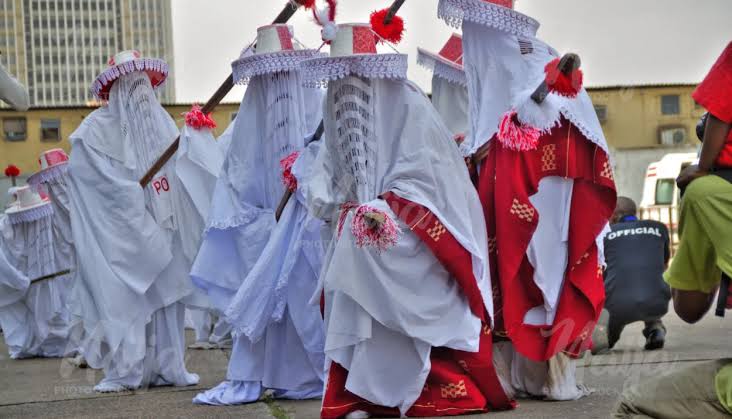
Yoruba traditions occupy a central place in Soyinka’s work.
He frequently draws upon:
- Mythology
- Folklore
- Rituals
- Oral traditions
- Historical narratives
Rather than treating Yoruba culture as a relic of the past, he presents it as a living source of wisdom and creativity.
This approach has introduced global audiences to the richness of Yoruba civilization.
Yoruba Mythology in His Writing
Many of Soyinka’s works incorporate figures and themes from Yoruba mythology.
These elements provide frameworks for exploring:
- Human nature
- Morality
- Power
- Sacrifice
- Community
By combining traditional and modern perspectives, Soyinka created a distinctive literary voice.
His works demonstrate the continuing relevance of indigenous knowledge.
Emergence as a Playwright
Soyinka gained early recognition through his dramatic works.
His plays combined:
- Literary sophistication
- Social commentary
- Cultural insight
Audiences and critics alike praised his originality.
His success established him as one of Africa’s leading playwrights.
Major Dramatic Works
Among his most celebrated plays are:
The Lion and the Jewel
A humorous exploration of tradition and modernity.
Death and the King’s Horseman
A profound examination of duty, sacrifice, and cultural misunderstanding.
A Dance of the Forests
A reflection on history, politics, and national identity.
These works remain widely studied and performed.
Themes in Soyinka’s Literature
Several themes recur throughout Soyinka’s writings:
- Freedom
- Justice
- Responsibility
- Corruption
- Cultural identity
- Human dignity
His works often challenge readers to confront difficult moral and political questions.
This intellectual depth contributes to their enduring relevance.
Literature as Social Criticism
For Soyinka, literature serves purposes beyond entertainment.
He believes writers have responsibilities to:
- Question authority
- Expose injustice
- Encourage reflection
His writings frequently critique abuses of power.
This commitment to truth has shaped both his literary and public life.
Political Activism
Soyinka’s influence extends beyond literature.
Throughout his career, he has been an outspoken advocate for:
- Democracy
- Human rights
- Freedom of expression
His willingness to challenge governments has sometimes placed him in danger.
Yet he has remained committed to speaking openly about issues of public concern.
The Nigerian Civil War
During the Nigerian Civil War, Soyinka sought peaceful solutions to conflict.
His efforts reflected concerns about violence and national unity.
As a result of his political activities, he was imprisoned by the military government.
The experience profoundly affected him.
Imprisonment and Resistance
Soyinka spent approximately two years in prison during the civil war.
Despite difficult conditions, he continued writing and reflecting.
His imprisonment became a symbol of resistance to repression.
The experience reinforced his commitment to freedom and human rights.
Prison Writings
The writings produced during and after imprisonment provide valuable insights into:
- Power
- Oppression
- Human resilience
These works remain important contributions to political and literary thought.
They also highlight the relationship between intellectual freedom and democracy.
International Recognition
As Soyinka’s reputation grew, his influence expanded globally.
Universities, literary organizations, and cultural institutions recognized his achievements.
His works were translated into numerous languages.
Readers around the world engaged with his ideas.
The Nobel Prize in Literature
In 1986, Soyinka achieved a historic milestone.
He became the first African recipient of the Nobel Prize in Literature.
The award recognized:
- Literary excellence
- Intellectual originality
- Cultural significance
The achievement brought global attention to African literature.
It also represented a major moment of pride for Nigeria and Yorubaland.
Significance of the Nobel Prize
The Nobel Prize had implications far beyond individual recognition.
It demonstrated that African literary traditions deserved global respect and attention.
The award helped expand opportunities for future generations of African writers.
It also highlighted the richness of Yoruba cultural influences.
Soyinka as a Global Intellectual
Beyond literature, Soyinka has become a respected global intellectual.
He frequently comments on issues concerning:
- Democracy
- Human rights
- Governance
- Cultural preservation
His insights continue to influence public debates internationally.
Academic Career
Soyinka has taught at universities in:
- Nigeria
- Europe
- North America
His academic work has influenced countless students and scholars.
Teaching provided another avenue for sharing knowledge and encouraging critical thought.
Contributions to Yoruba Cultural Preservation
Throughout his career, Soyinka has emphasized the importance of preserving Yoruba heritage.
His works help document and celebrate:
- Mythology
- Language
- History
- Philosophy
These contributions strengthen cultural awareness among both Yoruba and non-Yoruba audiences.
Influence on African Literature
Few writers have had greater influence on African literature.
Soyinka helped demonstrate that African experiences could serve as subjects of sophisticated and globally significant literary works.
Many younger writers cite him as an inspiration.
Public Intellectual and Social Critic
Soyinka continues to participate actively in public discourse.
He remains known for:
- Independence of thought
- Intellectual rigor
- Moral courage
His willingness to criticize injustice regardless of political affiliation contributes to his credibility.
Honors and Awards
In addition to the Nobel Prize, Soyinka has received numerous honors.
These include:
- Academic distinctions
- Literary awards
- International recognitions
Such honors reflect the breadth of his contributions.
Lessons from Soyinka’s Life
Soyinka’s life offers important lessons:
- Creativity can challenge injustice.
- Education expands possibilities.
- Cultural heritage deserves preservation.
- Intellectual freedom is essential.
- Courage matters in public life.
These lessons remain relevant worldwide.
Influence on Future Generations
Students, writers, activists, and scholars continue to learn from Soyinka’s example.
His achievements demonstrate the power of:
- Knowledge
- Imagination
- Persistence
Future generations will continue to engage with his work and ideas.
The Enduring Legacy of Wole Soyinka
Soyinka’s legacy extends far beyond literature.
He is remembered as:
- A writer
- A teacher
- A cultural ambassador
- A defender of freedom
His influence spans continents and disciplines.
Few African intellectuals have achieved comparable impact.
Conclusion
Wole Soyinka stands among the greatest literary and intellectual figures of the modern era. Through his plays, poems, novels, essays, and public activism, he has enriched global culture while remaining deeply connected to Yoruba heritage.
His groundbreaking achievement as the first African Nobel laureate in literature opened new doors for African writers and demonstrated the universal significance of African experiences and ideas. At the same time, his commitment to justice, democracy, and human dignity has made him an enduring moral voice.
As a scholar, artist, and advocate, Soyinka continues to inspire people around the world. His life and work serve as powerful reminders that literature can illuminate truth, preserve culture, and contribute to the pursuit of a more just society.