Fela Anikulapo-Kuti – Music, Protest, and Yoruba Identity
Introduction
Few Africans have influenced music, politics, culture, and social consciousness as profoundly as Fela Anikulapo-Kuti. Musician, composer, bandleader, activist, and cultural icon, Fela transformed African music and used his art as a powerful weapon against injustice, corruption, oppression, and inequality.
Through the creation of Afrobeat, a revolutionary musical genre that combined traditional Yoruba rhythms, highlife, jazz, funk, and political commentary, Fela became one of the most influential musicians of the twentieth century.
More than a performer, he was a fearless critic of authority and a passionate defender of African dignity. His music reflected Yoruba values, history, spirituality, and identity while addressing the social and political challenges facing Nigeria and the wider African continent.
Today, decades after his death, Fela remains a symbol of artistic freedom, resistance, and cultural pride.

Birth and Family Background
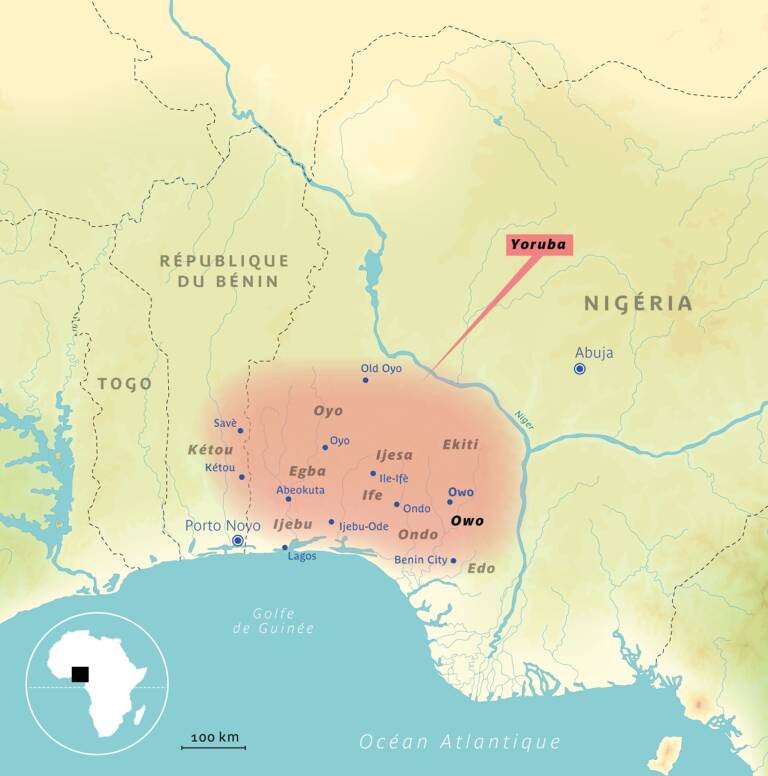
Fela was born on October 15, 1938, in Abeokuta, Ogun State, Nigeria.
He was born into one of Nigeria’s most remarkable families.
His father, Reverend Israel Oludotun Ransome-Kuti, was an educator and clergyman.
His mother, Funmilayo Ransome-Kuti, was one of Africa’s leading women’s rights activists.
Growing up in such an environment exposed Fela to:
- Education
- Political awareness
- Social justice
- Intellectual debate
These influences would later shape his worldview and artistic mission.
Childhood and Education
Fela received formal education during his early years.
Like many middle-class families of the era, his parents hoped he would pursue a respected professional career.
However, music attracted him from an early age.
He showed particular interest in:
- Rhythm
- Traditional Yoruba music
- Singing
- Instrumentation
His passion eventually led him toward a path very different from what his family had envisioned.
Studies in London
In 1958, Fela traveled to London.
Although originally expected to study medicine, he instead enrolled in music studies.
During his time in Britain, he encountered diverse musical traditions including:
- Jazz
- Classical music
- Highlife
- Rhythm and blues
These influences expanded his artistic horizons.
London also exposed him to political ideas concerning race, colonialism, and African identity.
These experiences would later become central themes in his work.
Formation of His First Band
While in London, Fela formed his first musical group.
Initially known as Koola Lobitos, the band combined:
- Highlife music
- Jazz influences
- African rhythms
The group gained popularity among African communities.
Although successful, Fela continued searching for a unique musical identity.
This search would eventually lead to the creation of Afrobeat.
Return to Nigeria
Upon returning to Nigeria, Fela continued developing his musical career.
The Nigerian music scene was evolving rapidly.
Fela experimented with new sounds while refining his artistic vision.
At this stage, his music remained largely entertainment-focused.
However, important changes were about to occur.
A trip to the United States would transform both his music and political consciousness.
Political Awakening in America
In the late 1960s, Fela visited the United States.
There he encountered activists involved in Black liberation movements.
He learned about:
- Pan-Africanism
- Black consciousness
- Anti-colonial struggles
- Social justice activism
A particularly influential figure was Sandra Smith, who introduced him to revolutionary political literature.
These experiences profoundly affected Fela.
He returned to Nigeria with a renewed sense of purpose.
Music would no longer be merely entertainment.
It would become a tool for social change.
Birth of Afrobeat
Following his political awakening, Fela developed Afrobeat.
The genre combined:
- Yoruba percussion
- Highlife
- Jazz
- Funk
- Call-and-response vocals
- Political messages
Afrobeat was innovative in both sound and content.
Its long compositions often featured:
- Complex rhythms
- Extended instrumental sections
- Sharp social commentary
The genre quickly became associated with Fela’s unique artistic vision.
Yoruba Musical Foundations
Although influenced by international styles, Afrobeat remained deeply rooted in Yoruba culture.
Fela incorporated:
- Traditional drum patterns
- Yoruba proverbs
- Indigenous melodies
- Oral storytelling traditions
These elements connected his music to centuries of Yoruba artistic heritage.
His work demonstrated that modern African music could embrace global influences while preserving local identity.
The Shrine
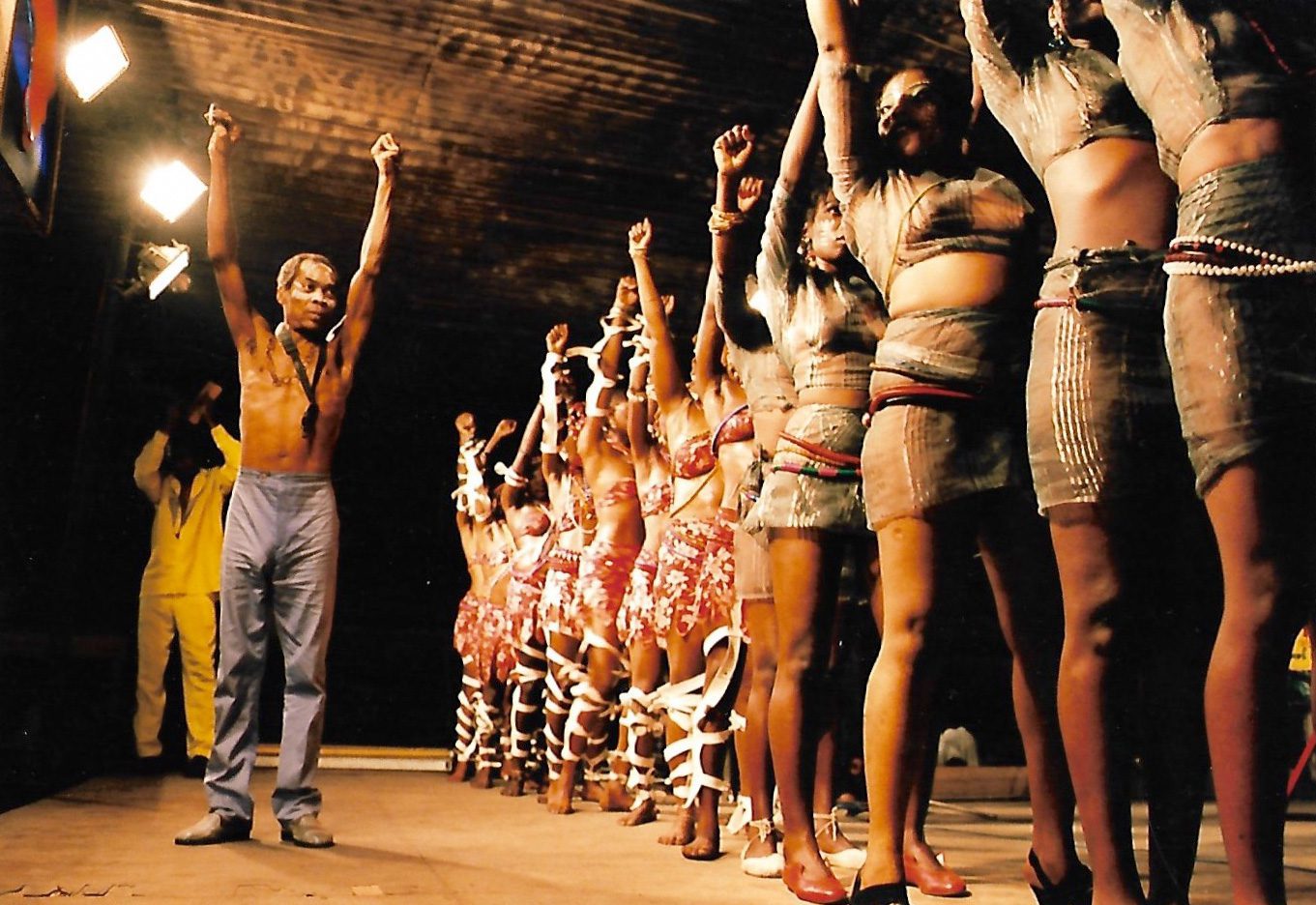
One of the most famous institutions associated with Fela was the Shrine.
The venue served as:
- Performance space
- Cultural center
- Political forum
Here, Fela performed regularly before devoted audiences.
Concerts often included lengthy discussions of political issues.
The Shrine became a gathering place for people seeking alternative perspectives on Nigerian society.
Its influence extended beyond music.
Criticism of Corruption
A central theme in Fela’s music was opposition to corruption.
He criticized:
- Government officials
- Military regimes
- Abuse of power
- Economic exploitation
His songs frequently addressed the gap between political promises and social realities.
This willingness to confront authority distinguished him from many artists of his era.
It also made him a controversial figure.
Music as Protest
For Fela, music and activism were inseparable.
He viewed artistic expression as a means of challenging injustice.
His performances encouraged audiences to:
- Question authority
- Think critically
- Demand accountability
Songs became vehicles for political education.
This approach transformed Afrobeat into more than a musical genre.
It became a movement.
Famous Songs and Social Commentary
Many of Fela’s songs addressed specific social issues.
Recurring themes included:
- Corruption
- Colonial legacies
- Poverty
- Police misconduct
- Military rule
His lyrics combined humor, satire, and sharp criticism.
Audiences appreciated both the musical excellence and the powerful messages.
These songs continue to resonate with listeners today.
Adoption of the Name Anikulapo
Fela eventually changed his name to Anikulapo.
The name can be interpreted as “one who carries death in his pouch.”
It reflected his belief in personal autonomy and spiritual strength.
The change symbolized his rejection of colonial influences and his embrace of African identity.
Names, for Fela, were deeply connected to culture and self-definition.
Yoruba Spirituality and Identity
Yoruba spirituality played a significant role in Fela’s worldview.
He drew inspiration from:
- Traditional beliefs
- Ancestor reverence
- Indigenous philosophies
Although controversial in some circles, his embrace of Yoruba spirituality reflected a broader effort to reclaim African cultural heritage.
He encouraged pride in indigenous traditions.
This emphasis on cultural identity became a recurring feature of his work.
Conflict with Authorities
Fela’s activism frequently brought him into conflict with government authorities.
He experienced:
- Arrests
- Harassment
- Surveillance
- Censorship
Despite these pressures, he remained outspoken.
His refusal to remain silent earned him admiration among supporters and criticism from opponents.
His life became a symbol of resistance to authoritarianism.
The Kalakuta Republic
Fela established a communal compound known as the Kalakuta Republic.
The community functioned as:
- Residence
- Recording space
- Cultural center
Fela declared it independent from Nigerian government authority.
This symbolic act reflected his opposition to political oppression.
The compound became one of the most famous locations in Nigerian cultural history.
Tragedy and Resilience
Authorities eventually raided Kalakuta Republic.
The attack resulted in extensive destruction and personal tragedy.
Among those affected was Fela’s mother, Funmilayo Ransome-Kuti.
The event profoundly impacted him.
Rather than retreat, however, he responded through music and activism.
His resilience strengthened his reputation as a symbol of resistance.
Influence Across Africa
Fela’s impact extended beyond Nigeria.
Musicians throughout Africa drew inspiration from:
- Afrobeat rhythms
- Political engagement
- Artistic independence
His work demonstrated that African artists could achieve international recognition without abandoning cultural roots.
He became a continental icon.
Global Recognition
Over time, Fela gained worldwide acclaim.
His music attracted audiences in:
- Europe
- North America
- Latin America
- Asia
Scholars, musicians, and activists studied his work.
Today, Afrobeat influences artists across multiple genres.
His international legacy continues to grow.
Influence on Contemporary Music
Many modern musicians acknowledge Fela’s influence.
His innovations shaped developments in:
- African popular music
- Jazz fusion
- World music
- Contemporary Afrobeat
New generations continue to reinterpret and build upon his contributions.
His artistic legacy remains vibrant and evolving.
Personal Philosophy
Several principles guided Fela’s life:
Freedom
Individuals should think independently.
Cultural Pride
African traditions deserve respect.
Justice
Power should serve the people.
Courage
Truth must be spoken regardless of consequences.
These values informed both his music and activism.
Legacy of Fela
Today, Fela is remembered as:
- A musical innovator
- A political activist
- A cultural nationalist
- A champion of African identity
His influence extends far beyond entertainment.
He changed how many people understand the relationship between art and social responsibility.
Few African artists have left such a profound mark on history.
Lessons from Fela’s Life
Fela’s story offers important lessons:
- Art can be a force for social change.
- Cultural identity should be celebrated.
- Courage is essential in confronting injustice.
- Creativity and activism can work together.
- Music has the power to educate and inspire.
These lessons remain relevant around the world.
Conclusion
Fela Anikulapo-Kuti stands among the most influential cultural figures in African history. Through Afrobeat, he created a revolutionary musical form that combined artistic brilliance with political engagement. His commitment to justice, cultural pride, and freedom transformed him into a symbol of resistance and self-expression.
Rooted in Yoruba traditions yet global in impact, Fela’s music continues to inspire listeners, artists, and activists across continents. His life demonstrates how culture can become a powerful tool for challenging injustice and affirming identity.
More than two decades after his passing, the voice of Fela still echoes through music halls, universities, political movements, and cultural festivals worldwide—reminding us that art can be both beautiful and transformative.