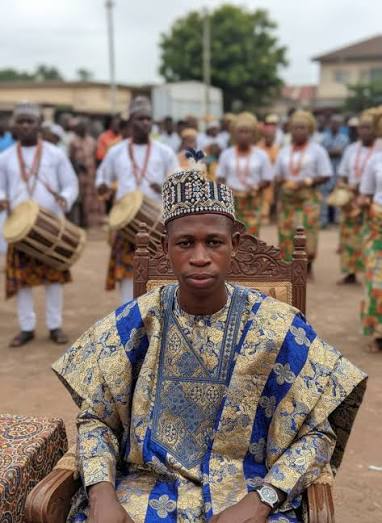
The Yoruba Language – Structure, Dialects, and Global Influence
Introduction
Language is one of the most powerful expressions of culture, identity, and history. For the Yoruba people, the Yoruba language serves not only as a means of communication but also as a repository of wisdom, tradition, literature, philosophy, and collective memory.
Spoken by tens of millions of people primarily in Nigeria and across the world, Yoruba is one of Africa’s most influential languages. It has survived centuries of political change, migration, colonialism, globalization, and cultural transformation while remaining a vibrant and dynamic means of expression.
Today, Yoruba is spoken not only in Nigeria but also in Benin, Togo, the United Kingdom, the United States, Brazil, Cuba, and many other parts of the world where Yoruba descendants have settled.
This article explores the origins, structure, dialects, cultural significance, and global influence of the Yoruba language.

The Origins of the Yoruba Language
The Yoruba language belongs to the Niger-Congo language family, one of the largest language families in the world.
More specifically, it is classified within the Volta-Niger branch of this linguistic family.
Linguists believe Yoruba evolved over many centuries as Yoruba-speaking communities developed across southwestern Nigeria and neighboring regions.
As populations expanded and interacted, the language diversified while maintaining a shared core structure and vocabulary.
The result is a language that combines unity with regional variation.
Geographic Distribution
Yoruba is spoken primarily in:
- Southwestern Nigeria
- Southern Benin
- Parts of Togo
Major Yoruba-speaking states in Nigeria include:
- Lagos
- Oyo
- Ogun
- Osun
- Ondo
- Ekiti
- Parts of Kwara
- Parts of Kogi
Large Yoruba-speaking communities also exist in major cities throughout Nigeria.
Migration has further expanded the language’s reach.
Number of Speakers
Yoruba is one of Africa’s most widely spoken languages.
Estimates generally place the number of speakers at over 40 million people worldwide.
This figure includes:
- Native speakers
- Second-language speakers
- Members of the Yoruba diaspora
The large speaker population contributes significantly to the language’s vitality and influence.
Yoruba as a Tonal Language
One of the most distinctive features of Yoruba is its tonal nature.
Tone affects meaning.
The language uses three primary tones:
- High
- Mid
- Low
The same sequence of letters can have different meanings depending on tone.
For example:
- Owó can mean money.
- Òwò can mean business.
- Ọwọ́ can mean hand.
This tonal system contributes to the richness and precision of the language.
The Yoruba Alphabet
Modern Yoruba uses a modified Latin alphabet.
The writing system includes letters that represent sounds specific to the language.
Examples include:
- Ẹ
- Ọ
- Ṣ
Tone marks are also used to indicate pronunciation and meaning.
The standardized writing system has helped preserve Yoruba literature and facilitate education.
Development of Written Yoruba
Before the nineteenth century, Yoruba culture relied heavily on oral tradition.
Stories, proverbs, history, and religious knowledge were transmitted verbally.
The development of written Yoruba accelerated through the efforts of scholars, missionaries, and Yoruba intellectuals.
One of the most important figures in this process was Samuel Ajayi Crowther.
His contributions helped establish standardized written Yoruba and promote literacy.
Samuel Ajayi Crowther’s Contribution
Ajayi Crowther played a crucial role in the development of written Yoruba.
His achievements included:
- Translating religious texts
- Producing linguistic studies
- Standardizing orthography
- Promoting education
His work laid the foundation for modern Yoruba literature and language preservation.
Today, he remains one of the most important figures in Yoruba linguistic history.
Major Yoruba Dialects
Although Yoruba is a unified language, it contains numerous dialects.
Major dialect groups include:
Oyo
Historically influential and often regarded as a basis for standard Yoruba.
Egba
Spoken primarily in Ogun State.
Ijebu
Known for distinctive vocabulary and pronunciation.
Ekiti
Widely spoken in Ekiti State.
Ondo
Common in Ondo State.
Ijesa
Associated with communities around Ilesa.
These dialects remain mutually intelligible to varying degrees.
Standard Yoruba
To facilitate education and communication, a standardized form of Yoruba developed.
Standard Yoruba draws heavily from the Oyo dialect while incorporating elements from other regions.
It is used in:
- Schools
- Broadcasting
- Literature
- Religious texts
- Government communication
Standardization has strengthened linguistic unity while allowing dialect diversity to continue.
Oral Tradition and Language
The Yoruba language is deeply connected to oral tradition.
For centuries, knowledge was preserved through:
- Storytelling
- Proverbs
- Songs
- Praise poetry
- Historical narratives
These traditions enriched the language and expanded its expressive capacity.
Even today, oral performance remains an important aspect of Yoruba culture.
Proverbs and Language
Yoruba proverbs demonstrate the language’s sophistication and beauty.
Proverbs communicate wisdom through:
- Metaphor
- Symbolism
- Humor
- Observation
Their widespread use reflects the value Yoruba society places on thoughtful communication.
Proverbs remain among the most admired features of the language.
Oriki: Praise Poetry
One of the most unique forms of Yoruba expression is Oriki.
Oriki consists of praise poetry celebrating:
- Individuals
- Families
- Communities
- Historical achievements
These poetic performances showcase the language’s flexibility, rhythm, and emotional power.
Oriki remains an important cultural tradition.
Yoruba Literature
Yoruba possesses a rich literary tradition.
Written literature includes:
- Novels
- Poetry
- Drama
- Essays
- Historical works
Notable Yoruba writers have contributed significantly to African literature.
Their works explore themes of:
- Identity
- Culture
- History
- Social change
Literature helps preserve and promote the language.
Yoruba in Education
Yoruba is taught in schools throughout southwestern Nigeria.
Educational programs support:
- Literacy
- Cultural preservation
- Language development
Many universities also offer Yoruba language and literature courses.
Academic study contributes to documentation and research.
Yoruba in the Media
The language enjoys a strong presence in modern media.
Yoruba-language content includes:
- Radio broadcasts
- Television programs
- Newspapers
- Online platforms
- Films
The popularity of Yoruba media helps ensure continued relevance among younger generations.
Yoruba Film Industry
The Yoruba-language film industry is one of the most vibrant sectors of Nigerian entertainment.
Movies produced in Yoruba contribute to:
- Language preservation
- Cultural education
- Economic development
These productions reach audiences both within Nigeria and internationally.
They demonstrate the adaptability of Yoruba culture in modern contexts.
Yoruba Music and Language
Music plays a major role in promoting the language.
Artists incorporate Yoruba into:
- Traditional music
- Gospel music
- Afrobeat
- Contemporary popular music
The use of Yoruba lyrics introduces the language to new audiences and strengthens cultural pride.
Yoruba and Religion
The language occupies an important place in both traditional and modern religious practices.
Yoruba is used in:
- Traditional ceremonies
- Christian worship
- Islamic teachings
- Cultural festivals
Religious use has contributed significantly to language preservation.
The Yoruba Diaspora
The transatlantic slave trade spread Yoruba language and culture across the world.
Today, Yoruba influences can be found in:
- Brazil
- Cuba
- Trinidad and Tobago
- Haiti
- The United States
Although the language evolved differently in various locations, many Yoruba words and expressions survive.
These linguistic traces reflect the resilience of cultural memory.
Yoruba Words in Global Culture
Several Yoruba words have entered international usage through religious and cultural traditions.
Examples include terms associated with:
- Orisha worship
- Music
- Spiritual practices
These linguistic influences demonstrate the global reach of Yoruba civilization.
Challenges Facing the Language
Like many indigenous languages, Yoruba faces challenges.
These include:
- Urbanization
- Globalization
- Preference for foreign languages
- Reduced intergenerational transmission
Some young people speak Yoruba less frequently than previous generations.
These trends raise concerns about long-term preservation.
Efforts to Preserve Yoruba
Numerous initiatives support language preservation.
These include:
- Educational programs
- Cultural organizations
- Literary projects
- Digital resources
- Language-learning applications
Such efforts aim to ensure that future generations remain connected to their linguistic heritage.
Technology and the Future of Yoruba
Technology presents both challenges and opportunities.
Digital platforms now support:
- Online learning
- Electronic dictionaries
- Social media communication
- Multimedia content
These tools help expand access to Yoruba language resources.
Technology may play a crucial role in future preservation efforts.
Why the Yoruba Language Matters
The Yoruba language matters because it preserves:
- History
- Identity
- Knowledge
- Values
- Cultural memory
When a language thrives, the culture associated with it remains vibrant.
Protecting Yoruba therefore contributes to the preservation of one of Africa’s great civilizations.
Lessons from the Yoruba Language
The history of Yoruba teaches important lessons:
- Language shapes identity.
- Cultural heritage deserves preservation.
- Diversity enriches society.
- Oral traditions possess immense value.
- Communication carries wisdom across generations.
These lessons remain relevant worldwide.
Conclusion
The Yoruba language is one of Africa’s greatest cultural treasures. Through its rich vocabulary, tonal complexity, oral traditions, literature, proverbs, and poetry, it serves as a powerful expression of Yoruba identity and heritage.
Spoken by millions across Africa and the diaspora, Yoruba continues to adapt while preserving its historical foundations. Despite modern challenges, the language remains vibrant in education, media, literature, music, and religious practice.
As a vessel of history, wisdom, and cultural memory, Yoruba stands as a testament to the resilience and creativity of the Yoruba people. Its continued preservation will ensure that future generations remain connected to one of the world’s most remarkable linguistic traditions.