The Eyo Festival of Lagos – White Robes, Tradition, and the Spirit of the City
Introduction
Among the most spectacular and iconic cultural celebrations in Yorubaland is the Eyo Festival, a grand masquerade procession that has become one of the defining symbols of Lagos. Known for its majestic participants dressed entirely in white flowing robes and colorful hats, the festival combines history, spirituality, pageantry, and community celebration in a unique display of Yoruba cultural heritage.
The Eyo Festival is more than a public spectacle. It reflects centuries of tradition, commemorates important historical events, honors distinguished individuals, and preserves the cultural identity of the indigenous people of Lagos. For many observers, it represents the living spirit of Lagos before the city evolved into Africa’s largest urban center.
The sight of thousands of Eyo masqueraders moving through the streets of Lagos Island remains one of the most memorable cultural experiences in Nigeria. The festival continues to attract local residents, tourists, scholars, and members of the Yoruba diaspora from around the world.
This article explores the origins, traditions, symbolism, organization, and enduring significance of the Eyo Festival.

Lagos Before Modern Times
Long before Lagos became a global megacity, it was a collection of Yoruba settlements and fishing communities.
The indigenous inhabitants developed rich traditions that shaped the city’s cultural identity.
These communities established:
- Political institutions
- Religious practices
- Trading networks
- Cultural ceremonies
The Eyo Festival emerged from this historical environment.
Its roots are deeply connected to the traditions of the indigenous people of Lagos.
Origins of the Eyo Festival
The precise origins of the festival remain the subject of historical discussion.
However, scholars generally agree that the celebration evolved from older Yoruba masquerade traditions.
The festival is closely associated with:
- Ancestor veneration
- Traditional institutions
- Royal ceremonies
Over time, these influences combined to create the unique event now known as the Eyo Festival.
Meaning of “Eyo”
The term “Eyo” refers to the masqueraders who participate in the festival.
Each Eyo represents a cultural and ceremonial role within the procession.
The masqueraders are often viewed as symbolic representatives of ancestral spirits and historical traditions.
Their appearance transforms ordinary public spaces into sites of cultural celebration.
The Adimu Connection
The Eyo tradition is closely connected to the Adimu Orisha tradition of Lagos.
Historically, certain ceremonies associated with Adimu contributed to the development of Eyo processions.
This connection highlights the spiritual foundations of the festival.
Although contemporary celebrations emphasize cultural heritage, historical religious influences remain important.
Purpose of the Festival
The Eyo Festival serves several purposes.
It may be organized to:
- Honor a deceased king
- Celebrate a royal succession
- Commemorate notable individuals
- Mark important historical events
The festival therefore functions as both a memorial and a celebration.
Its significance varies depending on the occasion.
The Appearance of the Eyo Masqueraders
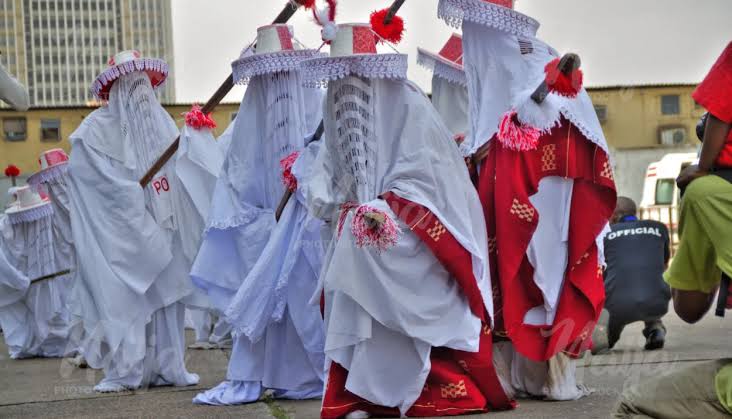
The most recognizable feature of the festival is the appearance of the masqueraders.
Each participant traditionally wears:
- Flowing white robes
- White gloves
- White footwear
- A wide-brimmed hat
The visual effect is striking and unforgettable.
The sea of white garments creates a sense of unity and grandeur.
Symbolism of White Clothing
The white attire carries important symbolic meanings.
White is often associated with:
- Purity
- Peace
- Spirituality
- Renewal
The color contributes to the ceremonial atmosphere of the festival.
It also distinguishes Eyo masqueraders from other Yoruba masquerade traditions.
The Importance of Hats
Different groups of Eyo masqueraders wear distinctive hats.
These hats help identify various ceremonial categories.
The colors and styles reflect historical traditions and organizational structures within the festival.
Observers often recognize groups based on their headgear.
The Opambata Staff
Each Eyo masquerader carries a staff known as the Opambata.
The staff serves both symbolic and ceremonial purposes.
It is used during processions and performances.
The Opambata has become one of the most recognizable symbols associated with the festival.
The Major Eyo Groups
The festival traditionally involves several major Eyo groups.
These include:
- Adimu
- Laba
- Oniko
- Ologede
- Agere
Each group occupies a specific place within the ceremonial hierarchy.
Their participation follows established traditions.
Adimu Eyo
The Adimu group occupies the highest ceremonial position.
It is often regarded as the senior and most important Eyo category.
Its appearance typically signals significant moments within the festival.
The group’s prominence reflects historical and spiritual traditions.
Preparations for the Festival
Preparation for the Eyo Festival begins long before the main event.
Activities may include:
- Community consultations
- Traditional ceremonies
- Organizational meetings
- Public announcements
These preparations help ensure the successful execution of the celebration.
Public Announcements
Special announcements often inform residents about festival arrangements.
The public receives guidance concerning:
- Routes
- Safety measures
- Ceremonial expectations
These announcements help facilitate broad community participation.
The Procession Through Lagos
The central feature of the festival is the grand procession.
Thousands of masqueraders move through major streets of Lagos Island.
The procession transforms the city into a cultural stage.
Residents and visitors gather in large numbers to witness the event.
The atmosphere is festive and energetic.
Music and Performance
Music plays an important role during the festival.
Performances often feature:
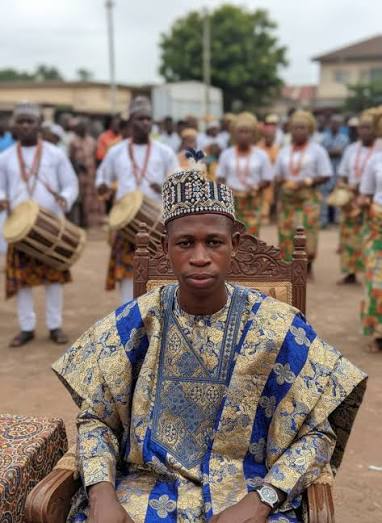
- Traditional drumming
- Singing
- Chanting
- Cultural displays
The musical elements contribute to the celebratory atmosphere.
They also reinforce cultural continuity.
Cultural Significance of Dance
Dance accompanies many aspects of the procession.
Movements performed by the masqueraders reflect tradition and artistry.
Dance provides opportunities for:
- Expression
- Entertainment
- Cultural education
The performances enrich the overall experience.
Respect for Festival Traditions
Participants and spectators are expected to respect certain customs.
Traditional guidelines help preserve the dignity and integrity of the celebration.
These expectations contribute to the orderly conduct of the festival.
Respect for tradition remains a core value.
The Role of Traditional Leaders
Traditional leaders play important roles in organizing and overseeing the festival.
Their involvement reinforces:
- Historical continuity
- Cultural legitimacy
- Community participation
Leadership helps ensure adherence to established customs.
Community Participation
The Eyo Festival is fundamentally a community event.
Residents contribute through:
- Organization
- Attendance
- Cultural support
The festival strengthens social bonds and reinforces shared identity.
Its success depends upon collective participation.
Tourism and International Recognition
The Eyo Festival has become one of Nigeria’s most famous cultural attractions.
Visitors travel from around the world to witness the spectacle.
The event contributes to:
- Tourism
- Cultural awareness
- International appreciation of Yoruba heritage
Its visibility continues to grow.
Economic Impact
The festival generates economic activity in several sectors.
Benefits include increased demand for:
- Hospitality services
- Transportation
- Food vendors
- Cultural products
The celebration therefore contributes to local economic development.
The Festival and Lagos Identity
For many people, the Eyo Festival symbolizes the historical identity of Lagos.
It serves as a reminder that the city possesses deep cultural roots predating modern urbanization.
The festival helps preserve connections between contemporary Lagos and its historical foundations.
Eyo and Cultural Education
The festival provides opportunities for younger generations to learn about:
- History
- Traditions
- Community values
Cultural education remains one of its most important functions.
The celebration helps transmit knowledge across generations.
Preservation of Heritage
Organizations and community leaders continue efforts to preserve the Eyo tradition.
These efforts include:
- Documentation
- Public education
- Cultural advocacy
Preservation ensures that future generations can continue participating in the festival.
Challenges Facing Traditional Festivals
Like many cultural traditions, the Eyo Festival faces challenges.
These include:
- Urbanization
- Modernization
- Commercial pressures
- Changing social patterns
Addressing these challenges requires careful planning and cultural commitment.
Adaptation in the Modern Era
The festival has adapted to contemporary realities while maintaining its essential character.
Modern communication and organizational methods help support large-scale participation.
This balance between tradition and adaptation contributes to the festival’s survival.
Symbolism of Unity
One of the most powerful messages of the Eyo Festival is unity.
The procession brings together people from different backgrounds in celebration of shared heritage.
This inclusive spirit contributes to its enduring appeal.
Lessons from the Eyo Festival
The Eyo Festival teaches important lessons:
- Culture deserves preservation.
- Communities are strengthened through shared traditions.
- History remains relevant.
- Art and ceremony can unite people.
- Heritage contributes to identity.
These lessons remain meaningful in contemporary society.
The Future of the Festival
The future of the Eyo Festival appears promising.
Growing interest in cultural heritage and tourism has increased appreciation for traditional celebrations.
Continued preservation efforts will help ensure its survival for future generations.
Conclusion
The Eyo Festival stands as one of the most remarkable cultural celebrations in Yorubaland and Nigeria. Through its magnificent processions, distinctive white-robed masqueraders, music, dance, and ceremonial traditions, it preserves an important part of Lagos’s historical and cultural heritage.
More than a festival, Eyo is a living expression of community identity, historical memory, and cultural continuity. It connects contemporary Lagos with its indigenous roots while providing opportunities for education, celebration, and social unity.
As long as the white-robed Eyo masqueraders continue to walk the streets of Lagos, the spirit, history, and traditions of the city’s Yoruba heritage will remain alive for generations to come.