Chief M.K.O. Abiola – Democracy, Sacrifice, and the June 12 Struggle
Introduction
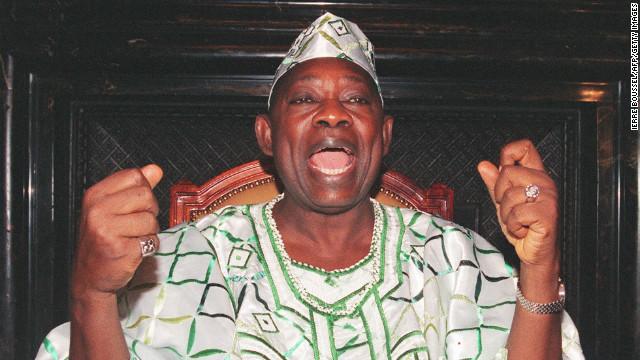
Few figures in modern Nigerian history command as much respect and emotional significance as Chief Moshood Kashimawo Olawale (M.K.O.) Abiola. Businessman, philanthropist, politician, publisher, and democracy advocate, Abiola became a symbol of the Nigerian struggle for democratic governance and popular sovereignty.
His name is inseparable from the events surrounding the June 12, 1993 presidential election, widely regarded as the freest and fairest election in Nigerian history. The annulment of that election transformed Abiola from a successful businessman and political leader into an enduring symbol of democracy, sacrifice, and national unity.
For many Nigerians, Abiola represents the belief that the will of the people must be respected. His life story encompasses extraordinary achievements in business, philanthropy, and politics, while his death remains one of the most significant moments in Nigeria’s democratic journey.
This article explores the life, accomplishments, political career, June 12 struggle, and lasting legacy of Chief M.K.O. Abiola.

Early Life and Background
Moshood Kashimawo Olawale Abiola was born on August 24, 1937, in Abeokuta, in present-day Ogun State, Nigeria.
He was born into a modest family and experienced economic hardship during his early years.
Despite limited resources, he displayed exceptional intelligence, ambition, and determination.
His upbringing instilled values of:
- Hard work
- Perseverance
- Discipline
- Community service
These qualities would define his later achievements.
Childhood Challenges
Abiola’s childhood was marked by financial difficulties.
He contributed to family income while pursuing his education.
These experiences taught him resilience and self-reliance.
The challenges he faced strengthened his determination to succeed.
His rise from humble beginnings would later inspire millions.
Education
Abiola excelled academically and earned opportunities to continue his studies.
Education became a critical factor in his development.
He demonstrated strong abilities in:
- Mathematics
- Commerce
- Leadership
His academic success opened doors that would shape his future career.
He understood the transformative power of education.
Professional Development
After completing his education, Abiola entered the business world.
He quickly established a reputation for:
- Intelligence
- Strategic thinking
- Entrepreneurial skill
His career progressed rapidly.
Success in business provided resources that he later used to support philanthropic and political activities.
Rise in Business
Abiola became one of Nigeria’s most successful businessmen.
His interests extended across multiple sectors, including:
- Telecommunications
- Publishing
- Finance
- Manufacturing
- International trade
His achievements made him one of Africa’s most prominent entrepreneurs.
Business success elevated his national and international profile.
International Recognition
Abiola’s business activities brought him recognition beyond Nigeria.
He developed relationships with:
- Governments
- International organizations
- Business leaders
His influence extended across Africa and beyond.
These connections enhanced his ability to support charitable and developmental initiatives.
Commitment to Philanthropy
One of the most admired aspects of Abiola’s life was his generosity.
He provided assistance to:
- Students
- Religious institutions
- Community organizations
- Individuals facing hardship
His philanthropy earned widespread respect.
Many beneficiaries remembered him as a compassionate and accessible leader.
Support for Education
Abiola strongly believed in education as a tool for empowerment.
He funded:
- Scholarships
- Educational institutions
- Learning programs
These investments helped many young Nigerians pursue opportunities that might otherwise have been unavailable.
Education remained a central focus of his charitable efforts.
Contributions to Sports
Abiola also supported sports development.
His involvement included sponsorship and investment in athletic activities.
He recognized the importance of sports for:
- National unity
- Youth development
- International recognition
His contributions helped strengthen various sporting initiatives.
Media and Publishing
Abiola played an important role in Nigerian media through his involvement in publishing.
Media ownership provided opportunities to promote:
- Public discussion
- Information dissemination
- Democratic engagement
His media interests reflected broader commitments to communication and civic participation.
Entry into Politics
Although successful in business, Abiola increasingly turned his attention to politics.
He believed political participation offered opportunities to address national challenges.
His reputation, resources, and public support positioned him as a major political figure.
Many Nigerians viewed him as a leader capable of uniting diverse groups.
Vision for Nigeria
Abiola advocated policies aimed at:
- Economic development
- Poverty reduction
- National unity
- Democratic governance
His message appealed to citizens across regional, ethnic, and religious boundaries.
He emphasized shared national interests rather than division.
This approach contributed significantly to his popularity.
The 1993 Presidential Election
The presidential election held on June 12, 1993, became one of the most important events in Nigerian history.
Abiola emerged as the presidential candidate of the Social Democratic Party (SDP).
The election generated enormous public interest.
Many observers viewed it as a crucial step toward democratic consolidation.
Campaign and Popular Support
Abiola’s campaign attracted broad support.
His message resonated with:
- Urban populations
- Rural communities
- Youths
- Professionals
Support crossed traditional political and regional lines.
His ability to appeal to diverse constituencies distinguished him from many contemporaries.
Conduct of the Election
The June 12 election was widely praised for its credibility.
Observers noted:
- High participation
- Relative transparency
- Peaceful conduct
The election generated optimism about Nigeria’s democratic future.
Many citizens believed the process reflected the genuine will of the electorate.
Abiola’s Victory
Results indicated that Abiola had won the election convincingly.
Significantly, his support extended across different regions of the country.
The outcome demonstrated the possibility of national political cooperation.
Many Nigerians celebrated the result as a victory for democracy.
Annulment of the Election
Despite the apparent success of the election, the military government annulled the results.
The decision shocked the nation.
Many citizens viewed the annulment as a violation of democratic principles.
The announcement triggered widespread disappointment and anger.
Political tensions increased dramatically.
National Reaction
The annulment generated strong reactions throughout Nigeria.
Citizens expressed frustration through:
- Public demonstrations
- Advocacy campaigns
- Political activism
The event became a defining moment in the struggle for democratic governance.
Many viewed June 12 as a test of national commitment to democracy.
Abiola’s Response
Abiola refused to abandon his claim to victory.
He argued that the election represented the will of the Nigerian people.
His stance transformed him from a political candidate into a symbol of democratic resistance.
Supporters admired his determination and courage.
Declaration of Mandate
In 1994, Abiola declared himself the rightful president based on the June 12 election results.
This action intensified political tensions.
The military government responded forcefully.
The confrontation became one of the most dramatic episodes in modern Nigerian history.
Arrest and Detention
Following his declaration, Abiola was arrested and detained.
He spent years in custody under difficult circumstances.
His imprisonment became a symbol of the broader struggle for democratic governance.
Supporters continued advocating for his release and recognition.
The Democracy Movement
Abiola’s detention energized pro-democracy movements.
Activists, journalists, lawyers, students, and community leaders organized campaigns demanding:
- Democratic governance
- Respect for election results
- Civil liberties
The movement gained both domestic and international attention.
International Attention
Governments, organizations, and human rights advocates around the world monitored developments closely.
The situation drew criticism from various international actors.
Attention to Abiola’s case highlighted broader concerns regarding governance and democracy in Nigeria.
Personal Sacrifice
Abiola’s commitment to democratic principles came at great personal cost.
He lost:
- Freedom
- Political opportunities
- Personal security
Yet he continued to symbolize resistance to authoritarian rule.
Many Nigerians viewed his sacrifice as an act of patriotism.
Death in Detention
On July 7, 1998, Abiola died while still in detention.
His death shocked the nation and generated widespread grief.
For many supporters, it represented the ultimate sacrifice in the struggle for democracy.
The event marked a turning point in Nigerian political history.
Legacy of June 12
The significance of June 12 extends far beyond a single election.
The date became a symbol of:
- Democratic aspirations
- Popular sovereignty
- Political sacrifice
Its memory continues to influence discussions concerning governance and citizenship.
Recognition of His Contribution
Over time, official recognition of Abiola’s role increased.
Many Nigerians regarded him as the legitimate winner of the 1993 election.
His contributions to democratic development received broader acknowledgment.
Public appreciation for his sacrifice continued to grow.
June 12 as Democracy Day
Nigeria eventually designated June 12 as Democracy Day.
This decision reflected recognition of the election’s historical importance and Abiola’s role in the democratic struggle.
The designation ensures continued remembrance of the events and their significance.
Impact on Nigerian Democracy
Abiola’s struggle contributed significantly to Nigeria’s eventual return to democratic governance.
His example inspired generations of activists and political leaders.
The democratic institutions that exist today owe much to those who advocated reform during this period.
Lessons from Abiola’s Life
Abiola’s life teaches important lessons:
- Democracy requires courage.
- Public service involves sacrifice.
- Education and hard work create opportunities.
- National unity is possible.
- The will of the people deserves respect.
These lessons remain relevant today.
Influence on Future Generations
Students, activists, politicians, and citizens continue to draw inspiration from Abiola’s example.
His story demonstrates the power of conviction and perseverance.
Future generations will continue to study his contributions.
The Enduring Legacy of M.K.O. Abiola
Today, Abiola is remembered as:
- A businessman
- A philanthropist
- A patriot
- A democracy advocate
His legacy transcends politics.
It reflects broader ideals concerning justice, participation, and national development.
Conclusion
Chief M.K.O. Abiola occupies a unique place in Nigerian history. Rising from humble beginnings to become one of Africa’s most successful businessmen, he combined economic achievement with philanthropy and public service. His role in the June 12 election and subsequent struggle for democratic recognition transformed him into a national symbol.
Through his commitment to democracy, willingness to endure imprisonment, and ultimate sacrifice, Abiola helped shape Nigeria’s democratic journey. His life continues to inspire those who believe in justice, accountability, and the power of the people’s voice.
Today, his memory remains deeply connected to the ideals of democracy and national unity. As long as Nigerians celebrate the significance of June 12, the legacy of M.K.O. Abiola will continue to endure.