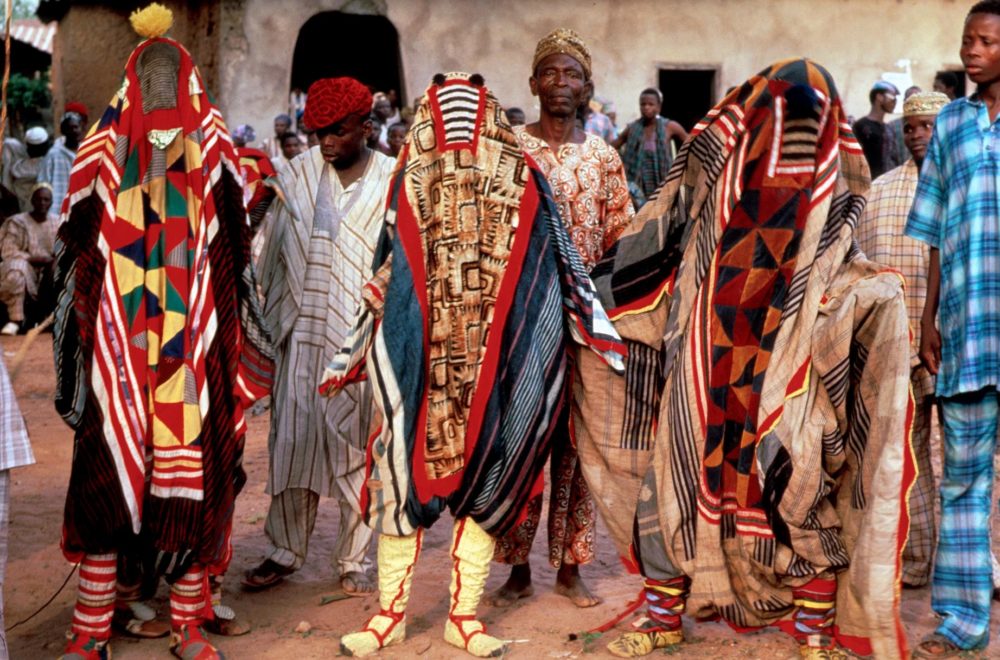
Yoruba Festivals – Celebrating Faith, Community, and Heritage
Introduction
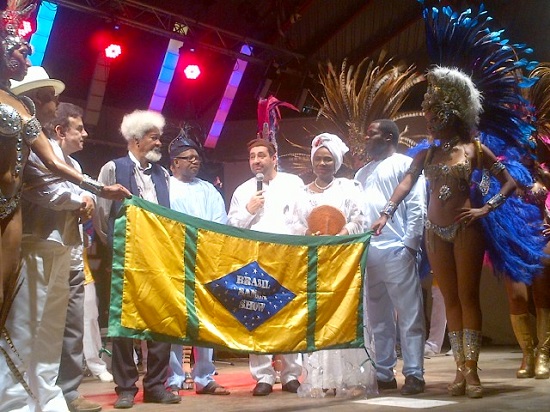
Festivals occupy a special place in Yoruba culture. They are moments when history, religion, community, art, music, dance, and tradition come together in vibrant celebrations that connect the past with the present. Across Yorubaland, festivals serve as opportunities to honor ancestors, celebrate harvests, commemorate historical events, worship spiritual beings, and strengthen social bonds.
For centuries, Yoruba festivals have preserved cultural identity and transmitted knowledge from one generation to another. They provide occasions for storytelling, performance, communal feasting, and public participation. Many festivals also attract visitors from around the world, contributing to cultural exchange and tourism.
Although some traditions have evolved over time, festivals remain among the most visible and enduring expressions of Yoruba heritage. Their continued popularity demonstrates the importance of community, spirituality, and cultural memory in Yoruba life.
This article explores the history, significance, major types, and enduring legacy of Yoruba festivals.

The Importance of Festivals in Yoruba Society
Festivals are more than entertainment.
They perform important functions such as:
- Preserving traditions
- Strengthening community ties
- Honoring spiritual beliefs
- Teaching cultural values
- Celebrating historical achievements
Through festivals, communities express collective identity and shared purpose.
They help maintain continuity between generations.
Historical Origins of Yoruba Festivals
Many Yoruba festivals originated centuries ago.
Their roots can be found in:
- Religious traditions
- Agricultural cycles
- Historical events
- Royal institutions
Over time, these celebrations became established parts of community life.
Their survival reflects the resilience of Yoruba cultural traditions.
Festivals and Spirituality
Traditional Yoruba spirituality plays a central role in many festivals.
Celebrations often honor:
- Orisha
- Ancestors
- Sacred traditions
Religious observances provide opportunities for prayer, ritual, and reflection.
Spiritual themes remain important even as festivals adapt to modern contexts.
Festivals and Community Unity
One of the most important functions of festivals is promoting unity.
Festivals bring together:
- Families
- Neighbors
- Community leaders
- Visitors
Shared participation strengthens social relationships.
Community solidarity remains a central feature of Yoruba celebrations.
Music and Dance
Music and dance are essential components of Yoruba festivals.
Celebrations often feature:
- Traditional drumming
- Singing
- Choreographed performances
Music creates festive atmospheres while preserving artistic traditions.
Dance provides opportunities for cultural expression and storytelling.
Traditional Attire
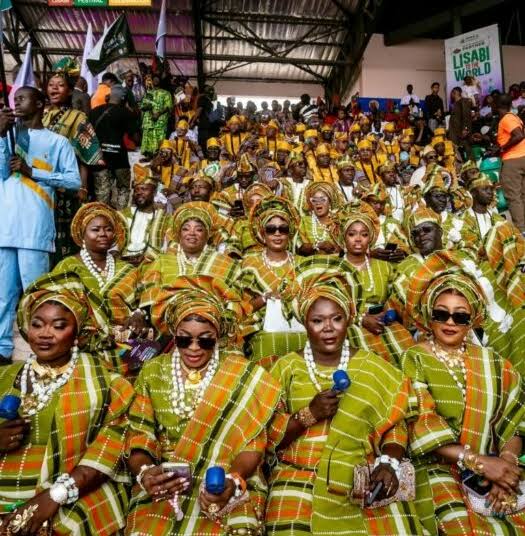
Festival participants often wear distinctive clothing.
Traditional attire reflects:
- Cultural identity
- Social status
- Community pride
Colorful garments enhance the visual appeal of celebrations.
Clothing serves both symbolic and aesthetic purposes.
The Role of Drumming
Drums occupy a central place in Yoruba festival culture.
Different drums communicate:
- Rhythms
- Messages
- Ceremonial significance
Master drummers possess specialized knowledge and skills.
Their performances contribute greatly to the atmosphere of celebrations.
Oral Tradition and Festivals
Festivals provide opportunities for preserving oral traditions.
Storytellers share:
- Historical narratives
- Folktales
- Proverbs
- Songs
These performances help transmit cultural knowledge.
Oral tradition remains an important educational tool.
The Osun-Osogbo Festival
Among the most famous Yoruba festivals is the Osun-Osogbo Festival.
Held annually in Osogbo, it honors Osun, the Orisha associated with:
- Rivers
- Fertility
- Prosperity
- Beauty
The festival attracts participants from across Nigeria and the world.
Its significance extends beyond religion.
Origins of the Osun-Osogbo Festival
The festival reflects long-standing spiritual relationships between the people of Osogbo and the Osun River.
Traditions associated with the river developed over centuries.
The celebration reinforces connections between community, environment, and spirituality.
The Sacred Grove
A key feature of the Osun-Osogbo Festival is the Sacred Grove.
The grove contains:
- Shrines
- Sculptures
- Sacred spaces
It is recognized internationally for its cultural and historical importance.
The grove represents a remarkable example of cultural preservation.
The Sango Festival
The Sango Festival honors Sango, the legendary king and Orisha associated with thunder and lightning.
Participants celebrate:
- Strength
- Leadership
- Courage
The festival includes ceremonies, music, and dramatic performances.
Its popularity reflects Sango’s enduring significance.
Symbolism of Sango
Sango symbolizes:
- Power
- Justice
- Authority
The festival provides opportunities to reflect upon these values.
It also preserves important historical and spiritual traditions.
The Ogun Festival
Ogun, the Orisha associated with iron, technology, and labor, is honored through the Ogun Festival.
Participants often include:
- Artisans
- Blacksmiths
- Engineers
- Drivers
The celebration recognizes the importance of work and innovation.
Significance of Ogun
Ogun represents:
- Industry
- Creativity
- Productivity
The festival highlights the contributions of individuals whose work supports society.
It also emphasizes respect for craftsmanship.
The Egungun Festival
The Egungun Festival is one of the most important Yoruba celebrations.
It focuses on honoring ancestors.
Participants believe ancestors continue to influence community life.
The festival strengthens connections between past and present.
Egungun Masquerades
A central feature of the festival is the appearance of masqueraders.
These figures symbolize ancestral presence.
Their performances include:
- Dancing
- Processions
- Ceremonial interactions
The masquerades are among the most visually striking elements of Yoruba culture.
Ancestor Veneration
The Egungun Festival reflects the importance of ancestor remembrance.
Participants honor previous generations and acknowledge their contributions.
These practices reinforce continuity and historical awareness.
The Eyo Festival
The Eyo Festival of Lagos is another iconic Yoruba celebration.
Participants wear:
- White robes
- Distinctive hats
- Ceremonial staffs
The festival combines history, pageantry, and community participation.
It remains one of Nigeria’s most famous cultural events.
New Yam Festivals
Agricultural festivals play important roles in many Yoruba communities.
New Yam celebrations mark the beginning of harvest seasons.
These events express gratitude for:
- Abundance
- Prosperity
- Agricultural success
Harvest festivals reinforce relationships between communities and the environment.
Festivals and Kingship
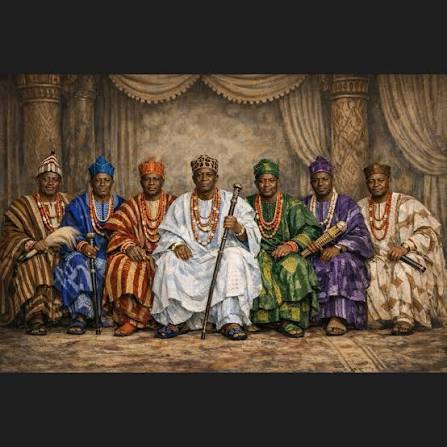
Many festivals involve traditional rulers.
Kings often participate in:
- Ceremonies
- Processions
- Public gatherings
Their involvement reinforces connections between governance and cultural heritage.
Royal participation adds prestige and historical continuity.
Community Preparation
Festival preparation often begins weeks or months in advance.
Activities include:
- Planning
- Rehearsals
- Decorations
- Public announcements
Preparation itself becomes a community-building process.
Economic Benefits
Festivals contribute to local economies.
Economic activities include:
- Tourism
- Hospitality services
- Transportation
- Cultural products
The influx of visitors creates opportunities for businesses and artisans.
Tourism and Cultural Exchange
Many Yoruba festivals attract international visitors.
Tourists gain opportunities to experience:
- Music
- Dance
- Cuisine
- Traditional ceremonies
Cultural exchange enhances global appreciation of Yoruba heritage.
Educational Value
Festivals provide valuable educational opportunities.
Participants learn about:
- History
- Religion
- Cultural values
- Community traditions
Education remains one of the most important functions of these celebrations.
Preservation of Heritage
Festivals help preserve cultural heritage by maintaining traditions in active use.
Rather than existing only in museums or books, traditions remain part of everyday life.
This active preservation strengthens cultural identity.
Adaptation in Modern Times
Many festivals have adapted to contemporary realities.
Modern influences include:
- Media coverage
- Tourism promotion
- Digital communication
Adaptation has helped festivals remain relevant while preserving core traditions.
Challenges Facing Festivals
Festivals face various challenges, including:
- Urbanization
- Commercialization
- Cultural change
Communities continue working to balance preservation and innovation.
These efforts are essential for long-term sustainability.
The Role of Youth
Young people play crucial roles in festival preservation.
Their participation ensures continuity.
Educational programs encourage younger generations to appreciate cultural traditions.
Youth involvement strengthens the future of festivals.
Festivals and Identity
Festivals contribute significantly to Yoruba identity.
They remind participants of:
- Shared history
- Cultural values
- Community bonds
Identity remains one of the most powerful outcomes of cultural celebration.
Lessons from Yoruba Festivals
Yoruba festivals teach important lessons:
- Community matters.
- Culture deserves preservation.
- History remains relevant.
- Spirituality can strengthen society.
- Celebration fosters unity.
These lessons continue to resonate today.
The Future of Yoruba Festivals
The future of Yoruba festivals appears promising.
Growing interest in cultural heritage has increased appreciation for traditional celebrations.
Continued preservation efforts will help ensure their survival.
Future generations will inherit rich cultural traditions.
Conclusion
Yoruba festivals represent some of the most vibrant and meaningful cultural expressions in Africa. Through music, dance, ritual, storytelling, and communal celebration, they preserve history, strengthen identity, and promote social unity.
Whether honoring Osun, Sango, Ogun, ancestors, harvests, or historical events, these festivals connect communities to their heritage while providing opportunities for education and cultural exchange. Their continued vitality demonstrates the resilience and creativity of Yoruba civilization.
As long as festivals remain central to community life, the traditions, values, and spirit of the Yoruba people will continue to thrive for generations to come.