Yoruba Naming Ceremonies – Meaning, Identity, and Cultural Tradition
Introduction
Among the Yoruba people, a name is far more than a label used for identification. A name carries meaning, history, family heritage, spiritual significance, and expectations for the future. It reflects the circumstances of birth, family values, ancestral connections, and cultural identity. For this reason, the naming of a child is regarded as one of the most important events in Yoruba family life.
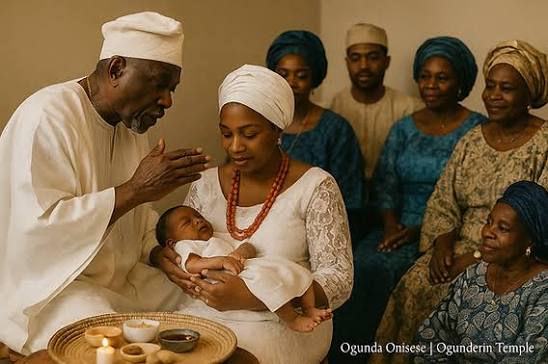
The Yoruba naming ceremony, traditionally known as Isommollorukaur (the giving of a name), is a joyful celebration that welcomes a newborn into the family and community. The ceremony brings together relatives, friends, elders, and well-wishers who gather to pray for the child’s future and formally introduce the child to society.
Rich in symbolism and tradition, Yoruba naming ceremonies continue to be widely practiced both in Nigeria and among Yoruba communities around the world. While some customs have evolved over time, the core values of identity, blessing, and community remain unchanged.
This article explores the history, customs, meanings, and cultural significance of Yoruba naming ceremonies.

The Importance of Names in Yoruba Culture
The Yoruba place great importance on names.
A popular Yoruba proverb states:
“Orukaur ommon inraus ommon.”
(“A child’s name influences the child.”)
This belief reflects the idea that names can shape identity, character, and destiny.
Names are therefore chosen carefully and thoughtfully.
Names as Identity
A name serves as a person’s first connection to family and community.
It may reveal:
- Family history
- Religious beliefs
- Birth circumstances
- Cultural values
Names help preserve memory and identity across generations.
For many Yoruba families, naming is both a personal and communal responsibility.
Historical Origins of Naming Traditions
Yoruba naming traditions have ancient roots.
Long before the arrival of Christianity and Islam, Yoruba families held ceremonies to formally introduce newborns to society.
These ceremonies emphasized:
- Community acceptance
- Spiritual blessings
- Family continuity
The traditions have survived centuries of social and religious change.
When the Naming Ceremony Takes Place
Traditionally, Yoruba naming ceremonies occur several days after birth.
Historically:
- Female children were named on the seventh day.
- Male children were named on the ninth day.
- Twins were often named on the eighth day.
Today, many families conduct ceremonies on the seventh or eighth day regardless of gender.
The timing reflects long-standing cultural practices.
Family Gatherings
Naming ceremonies bring together extended family members.
Attendees often include:
- Grandparents
- Uncles and aunts
- Friends
- Community elders
The gathering reflects the communal nature of Yoruba society.
A child is viewed as belonging not only to parents but also to the wider family.
The Role of Elders
Elders occupy important positions during naming ceremonies.
They offer:
- Prayers
- Advice
- Blessings
Their participation symbolizes continuity between generations.
Elders help connect the newborn to family history and cultural traditions.
Opening Prayers
Most ceremonies begin with prayers.
Depending on the family’s beliefs, prayers may be offered according to:
- Traditional Yoruba practices
- Christianity
- Islam
Regardless of religious background, prayers focus on the child’s well-being and future success.
Symbolic Items Used During the Ceremony
Traditional Yoruba naming ceremonies often involve symbolic items.
Common examples include:
- Water
- Honey
- Salt
- Sugar
- Palm oil
- Kola nut
- Alligator pepper
Each item carries specific meanings and lessons.
These symbols represent hopes for the child’s future.
Water
Water symbolizes:
- Purity
- Clarity
- Peace
During the ceremony, elders may touch water and pray that the child’s life remains calm and meaningful.
Water represents the essential nature of life.
Honey
Honey symbolizes sweetness.
Elders pray that the child’s life will be filled with:
- Happiness
- Favor
- Pleasant experiences
The symbolism reflects hopes for a joyful future.
Sugar
Like honey, sugar represents sweetness.
It expresses the wish that the child’s interactions with others will be positive and fulfilling.
The symbolism reinforces prayers for prosperity and harmony.
Salt
Salt symbolizes value and preservation.
Elders pray that the child will become:
- Useful
- Respected
- Influential
Salt’s importance in daily life makes it a powerful symbol.
Palm Oil
Palm oil often represents smoothness and well-being.
Prayers may ask that the child’s path through life be free from unnecessary obstacles.
The symbolism reflects aspirations for success and stability.
Kola Nut
The kola nut occupies a respected place in Yoruba culture.
It symbolizes:
- Hospitality
- Unity
- Longevity
Its presence during ceremonies reflects traditional values of community and respect.
Alligator Pepper
Alligator pepper symbolizes resilience and strength.
The item is often associated with protection and perseverance.
Its inclusion reflects hopes that the child will overcome life’s challenges.
The Announcement of Names
The central moment of the ceremony is the formal announcement of the child’s names.
Family elders or religious leaders may present the names.
Each name is explained and celebrated.
This moment officially introduces the child to the community.
Categories of Yoruba Names
Yoruba names often fall into several categories.
These include:
- Circumstantial names
- Family names
- Religious names
- Praise names
Each category reflects different aspects of identity.
Circumstantial Names
Circumstantial names reflect conditions surrounding birth.
Examples include:
Taiwo
The first twin.
Kehinde
The second twin.
Idowu
A child born after twins.
These names preserve important family history.
Family Heritage Names
Some names reflect family circumstances or aspirations.
Examples include:
Adewale
“The crown has come home.”
Akinyemmi
“Destined to be a warrior.”
These names reinforce family identity and values.
Religious Names
Many Yoruba names express gratitude to God.
Examples include:
Oluwaseun
“God has done well.”
Ollamide
“My wealth has come.”
Oluwatoyin
“God is worthy of praise.”
These names reflect spiritual beliefs.
Names and Destiny
Traditional Yoruba thought often associates names with destiny.
Although names do not determine outcomes, they communicate hopes and expectations.
Parents choose names carefully because they believe words carry power.
Multiple Names
Yoruba children often receive several names.
Different names may come from:
- Parents
- Grandparents
- Relatives
- Family friends
Each name contributes to the child’s identity.
This practice reflects the collective nature of family life.
Praise Names
Many Yoruba individuals possess praise names, known as Oríkì.
Oríkì celebrate:
- Family achievements
- Historical connections
- Personal qualities
They form an important part of Yoruba cultural expression.
The Importance of Oríkì
Oríkì serve as verbal expressions of identity and pride.
They may be recited during:
- Ceremonies
- Festivals
- Family gatherings
Their use helps preserve family history and cultural memory.
Music and Celebration
Naming ceremonies are joyful events.
Many include:
- Music
- Singing
- Dancing
Celebration reflects gratitude for the arrival of a new child.
The festive atmosphere strengthens family bonds.
Food and Hospitality
Food occupies an important place in Yoruba ceremonies.
Guests are often served meals and refreshments.
Hospitality reflects values of:
- Generosity
- Community
- Respect
Sharing food enhances social connections.
Christian and Muslim Influences
Christianity and Islam have influenced contemporary naming practices.
Many families combine religious traditions with cultural customs.
This blending reflects the adaptability of Yoruba culture.
Naming Ceremonies in the Diaspora
Yoruba communities around the world continue to celebrate naming ceremonies.
These events help preserve cultural identity among younger generations.
They also strengthen connections to ancestral heritage.
Educational Importance
Naming ceremonies teach children and adults about:
- Cultural values
- Family history
- Community responsibilities
They serve as opportunities for cultural education.
Social Significance
The ceremony formally introduces a child into society.
Community members acknowledge their relationship with the newborn.
The event reinforces social cohesion and collective responsibility.
Preservation of Tradition
Naming ceremonies remain among the most enduring Yoruba traditions.
Their continued practice helps preserve:
- Language
- Customs
- Identity
Preservation strengthens cultural continuity.
Lessons from Yoruba Naming Traditions
Yoruba naming ceremonies teach important lessons:
- Identity matters.
- Family history deserves remembrance.
- Community strengthens individuals.
- Words carry meaning.
- Tradition provides continuity.
These lessons remain relevant across generations.
The Future of Naming Ceremonies
Although modern life continues to evolve, Yoruba naming ceremonies remain widely practiced.
Families continue adapting traditions while preserving core values.
The future of the custom appears strong.
Conclusion
Yoruba naming ceremonies represent one of the most meaningful and enduring cultural traditions in Africa. Through prayers, symbolic rituals, family participation, and the careful selection of names, these ceremonies welcome children into communities while preserving important cultural values.
More than celebrations, naming ceremonies are expressions of identity, heritage, and hope. They connect newborns to their families, ancestors, and cultural traditions while expressing aspirations for future success and well-being.
As long as Yoruba families continue to gather to celebrate the naming of their children, the wisdom, values, and cultural richness of Yoruba civilization will continue to thrive across generations and around the world.