Ile-Ife – The Cradle of Yoruba Civilization
Introduction
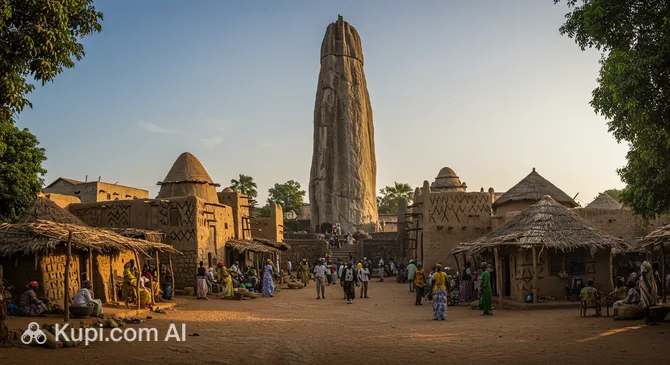
Among the many ancient cities of Africa, few possess the historical, cultural, and spiritual significance of Ile-Ife. Revered by the Yoruba people as the birthplace of their civilization, Ile-Ife occupies a unique position in both African history and world heritage. For centuries, it has been regarded as the center of creation, the source of royal authority, and the heart of Yoruba culture.
Located in present-day Osun State, Nigeria, Ile-Ife is not merely an ancient city. It is a symbol of identity, spirituality, artistic achievement, and historical continuity. The traditions surrounding its origins have shaped the worldview of millions of Yoruba people, while archaeological discoveries have revealed a civilization of remarkable sophistication.
This article explores the history, mythology, cultural importance, and enduring legacy of Ile-Ife as the cradle of Yoruba civilization.

The Meaning of Ile-Ife
The name “Ile-Ife” is often translated as “House of Expansion” or “Land of Love.” Among the Yoruba, however, the city is commonly referred to as “Ife Oodaye”—the place where creation began.
For generations, Yoruba oral traditions have identified Ile-Ife as the location where the world was first formed. It is considered the spiritual center from which humanity emerged and from which Yoruba civilization spread across West Africa.
This sacred status has made Ile-Ife one of the most respected cities in African cultural history.
The Creation Story
According to Yoruba tradition, the Supreme Creator, Olodumare, commissioned divine beings to create the earth.
The most widely known version of the story tells of Oduduwa, who descended from heaven carrying a snail shell filled with sand, a chicken, and a palm nut. At that time, the world was covered by water.
Oduduwa poured the sand upon the waters, and the chicken scratched and scattered it until dry land appeared. This first land became Ile-Ife.
The palm nut was planted and grew into a great tree, symbolizing life and prosperity.
Although scholars regard this account as mythology rather than literal history, it remains a powerful expression of Yoruba identity and spiritual belief.
Oduduwa and the Yoruba Nation
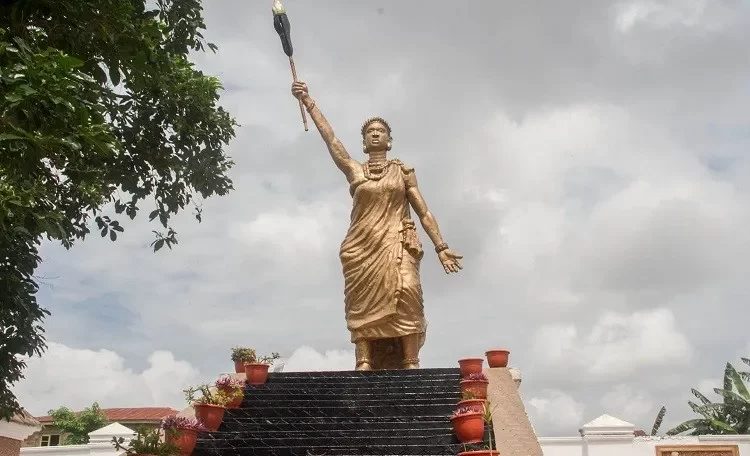
Central to the history of Ile-Ife is the figure of Oduduwa.
In Yoruba tradition, Oduduwa became the first ruler of Ife and the ancestor of the Yoruba people. His descendants are believed to have founded many of the major Yoruba kingdoms, including Oyo, Ijebu, Ondo, Ketu, Owu, and others.
Because of this lineage, many Yoruba monarchs trace their ancestry back to Ile-Ife.
The authority of traditional rulers throughout Yorubaland has long been linked to their connection with Oduduwa and the sacred heritage of Ife.
This shared ancestry helped unite diverse Yoruba communities despite political differences.
Archaeological Discoveries
Modern archaeology has provided fascinating insights into the historical importance of Ile-Ife.
Excavations have revealed evidence of large-scale urban settlement dating back more than a thousand years. Researchers have uncovered pottery, iron tools, glass beads, terracotta sculptures, and bronze artworks that demonstrate advanced technological and artistic capabilities.
These discoveries indicate that Ile-Ife was a major urban center long before European contact with West Africa.
The city possessed organized social structures, skilled craftsmen, active trade networks, and sophisticated religious institutions.
The archaeological evidence confirms that Ife was among the most developed civilizations in medieval Africa.
The Famous Ife Bronzes
Perhaps the most remarkable discoveries from Ile-Ife are its bronze and terracotta sculptures.
These artworks are celebrated for their extraordinary realism and technical excellence. Human faces were depicted with astonishing detail, capturing expressions, hairstyles, and physical features with remarkable accuracy.
When European explorers first encountered these sculptures, many found it difficult to believe they had been created by African artists.
Some early scholars even proposed incorrect theories attributing the works to lost civilizations from outside Africa.
Modern research has completely rejected these assumptions. The sculptures are now recognized as masterpieces of indigenous African artistry.
Today, the Ife bronzes rank among the greatest artistic achievements in world history.
Political Organization
Ile-Ife was more than a religious center. It also served as an important political capital.
The city developed institutions that influenced governance throughout Yorubaland. Traditional rulers governed with the assistance of councils of chiefs, religious leaders, and community elders.
This balance of authority helped maintain stability while ensuring that rulers remained accountable to their people.
Many political traditions found in later Yoruba kingdoms can trace their roots back to practices established in Ife.
The city therefore played a foundational role in shaping Yoruba political culture.
A Center of Religion
Religion has always been central to the identity of Ile-Ife.
Numerous sacred sites, shrines, and groves are located within and around the city. These places are associated with important deities, ancestors, and historical events.
Pilgrims from across Yorubaland have traditionally traveled to Ife to participate in religious ceremonies and festivals.
The city remains closely connected to the worship of various Orisha, including Obatala, Ogun, and Oduduwa.
For believers in traditional Yoruba religion, Ife represents a sacred link between humanity and the divine.
Trade and Economic Activity
The prosperity of Ile-Ife was not based solely on religion and politics.
Its strategic location allowed it to become a major center of commerce. Merchants traded agricultural products, textiles, beads, metal goods, and luxury items.
Trade routes connected Ife with neighboring regions and distant markets throughout West Africa.
Economic success encouraged population growth and attracted skilled artisans whose work enhanced the city’s reputation.
The combination of trade, craftsmanship, and religious prestige helped transform Ife into a thriving urban center.
Influence on Other Yoruba Kingdoms
As Yoruba populations expanded, many groups established new settlements and kingdoms.
According to tradition, princes and nobles from Ile-Ife traveled outward to found new dynasties. These rulers carried with them the customs, political institutions, and spiritual beliefs of Ife.
As a result, kingdoms such as Oyo, Ijebu, Ekiti, Ondo, and Ketu maintained strong cultural connections to their ancestral homeland.
Even when political rivalries emerged, the symbolic importance of Ife remained largely unquestioned.
This shared heritage contributed to the development of a broader Yoruba identity.
Colonial Era and Modern Challenges
During the colonial period, traditional institutions across Yorubaland faced significant changes.
European administration introduced new political structures, educational systems, and economic arrangements. Despite these transformations, Ile-Ife retained its cultural and spiritual significance.
Traditional festivals continued to be celebrated, and the authority of the Ooni of Ife remained respected.
In modern times, urbanization, globalization, and modernization have presented new challenges. Nevertheless, efforts to preserve the city’s heritage have remained strong.
Museums, cultural organizations, scholars, and traditional institutions continue to promote awareness of Ife’s historical importance.
The Ooni of Ife
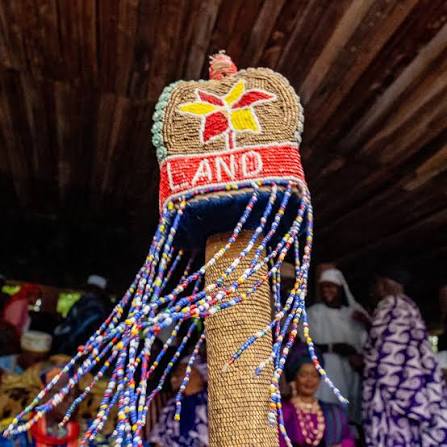
The Ooni of Ife occupies one of the most respected traditional positions in Yorubaland.
Regarded as a custodian of Yoruba heritage, the Ooni serves as both a cultural and spiritual leader.
Throughout history, successive Oonis have played important roles in preserving traditions, resolving disputes, and promoting unity among Yoruba communities.
The institution remains a symbol of continuity between ancient civilization and modern society.
Today, the Ooni continues to represent the enduring legacy of Ile-Ife.
Global Recognition
The significance of Ile-Ife extends far beyond Nigeria.
Historians, archaeologists, artists, and cultural scholars around the world study its history and artifacts. Museums across Europe, North America, and Africa display works originating from Ife.
The city has become an important symbol of Africa’s historical achievements and intellectual heritage.
Its artistic accomplishments challenge outdated stereotypes and demonstrate the sophistication of pre-colonial African civilizations.
As global interest in African history grows, the importance of Ife continues to gain wider recognition.
Preserving the Legacy
Protecting the heritage of Ile-Ife is an ongoing responsibility.
Ancient sites must be preserved, historical artifacts safeguarded, and cultural traditions documented for future generations.
Educational programs, cultural festivals, academic research, and community initiatives all contribute to this effort.
By preserving Ife’s legacy, the Yoruba people ensure that one of Africa’s greatest civilizations remains a source of inspiration and pride.
Conclusion
Ile-Ife stands as one of the most important cities in African history. Revered as the cradle of Yoruba civilization, it occupies a unique place where mythology, history, religion, politics, and art converge.
From the legendary arrival of Oduduwa to the creation of magnificent bronze sculptures and the establishment of influential political institutions, Ife has shaped the destiny of the Yoruba people for centuries.
Its legacy continues to influence millions of people throughout Nigeria, Africa, and the global diaspora.
As both a sacred city and a historical treasure, Ile-Ife remains a powerful reminder of the creativity, wisdom, and enduring achievements of Yoruba civilization.