Oduduwa and the Foundation of the Yoruba Kingdoms
Introduction
Few figures occupy a more important place in Yoruba history, culture, and tradition than Oduduwa. Revered as the founding father of the Yoruba people, Oduduwa stands at the center of stories that explain the origins of Yoruba civilization, the establishment of royal dynasties, and the development of some of West Africa’s most influential kingdoms.
For centuries, the name Oduduwa has symbolized unity, leadership, legitimacy, and cultural identity. Although historians continue to debate the historical details surrounding his life, his significance to the Yoruba people remains unquestioned. Through oral traditions, royal genealogies, religious practices, and cultural celebrations, the legacy of Oduduwa has endured across generations.
This article explores the traditions surrounding Oduduwa, his role in the formation of the Yoruba kingdoms, and the lasting influence of his legacy.

Who Was Oduduwa?
The identity of Oduduwa has been interpreted in different ways throughout history.
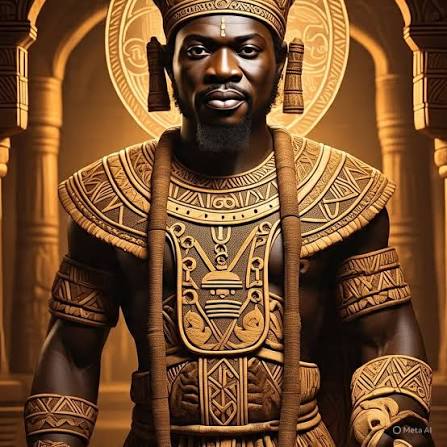
In Yoruba mythology, Oduduwa is often portrayed as a divine being sent by Olodumare, the Supreme Creator, to establish life and civilization on earth. In this sacred narrative, he descended from heaven to the place now known as Ile-Ife and became the first ruler of humanity.
Other traditions describe Oduduwa as a historical leader who migrated into the region and established a powerful kingdom that later became the foundation of Yoruba civilization.
Whether viewed as a divine figure, an ancestral king, or a combination of both, Oduduwa occupies a central position in Yoruba consciousness.
His story serves as both a historical memory and a cultural symbol.
The Creation Narrative
One of the best-known Yoruba traditions concerns the creation of the earth.
According to the story, the world was originally covered by water. Olodumare instructed Oduduwa to descend from heaven carrying sacred items needed to create land.
Upon reaching the watery world, Oduduwa poured sand onto the surface. A chicken then spread the sand in all directions, forming dry land. This newly created land became Ile-Ife.
Oduduwa subsequently established the first organized society and became its ruler.
Although this account belongs to the realm of mythology, it conveys important themes about divine authority, leadership, and the sacred nature of Ile-Ife.
Ile-Ife and the Rise of Civilization
Ile-Ife occupies a unique position in the story of Oduduwa.
According to tradition, it was from Ife that civilization spread across Yorubaland. The city became a center of religion, governance, commerce, and artistic achievement.
Archaeological evidence supports the view that Ife was indeed one of the most important urban centers in medieval West Africa. Its sophisticated art, organized political structures, and extensive trade networks demonstrate a high level of development.
As ruler of Ife, Oduduwa is believed to have established the institutions that later influenced other Yoruba kingdoms.
His reign represents the beginning of a shared cultural and political heritage.
The Children and Descendants of Oduduwa
One of the most significant aspects of Yoruba tradition concerns the descendants of Oduduwa.
According to royal histories, Oduduwa had numerous children and grandchildren who traveled to different regions and established new kingdoms.
These descendants became the founders of many important Yoruba dynasties.
Among the kingdoms traditionally linked to Oduduwa are:
- Oyo
- Ijebu
- Ondo
- Ketu
- Sabe
- Owu
- Ila
- Ekiti communities
- Akure
- Ilesa
- Egba territories
Each kingdom developed its own identity while maintaining a connection to the ancestral homeland of Ile-Ife.
This shared lineage helped foster a sense of unity among diverse Yoruba communities.
The Foundation of Oyo
Among the kingdoms associated with Oduduwa, Oyo became one of the most powerful.
Tradition identifies Oranmiyan, one of Oduduwa’s descendants, as a key figure in the establishment of the Oyo Kingdom.
Oranmiyan was a renowned warrior and statesman. Under his leadership and that of his successors, Oyo grew into a formidable political and military power.
Over time, the Oyo Empire expanded across vast territories and became one of the most influential states in West Africa.
The empire’s success reflected the political foundations laid by earlier generations connected to Oduduwa.
Oranmiyan: Warrior Prince and Empire Builder
Oranmiyan occupies a prominent place in Yoruba history.
Known for his courage and leadership, he is credited not only with helping establish Oyo but also with influencing the development of the Benin Kingdom.
According to tradition, Oranmiyan spent time in the area that later became the Kingdom of Benin and contributed to the formation of its ruling dynasty.
This connection highlights the broader regional influence of the descendants of Oduduwa.
Through figures such as Oranmiyan, Yoruba political traditions spread beyond Yorubaland itself.
Royal Legitimacy and the Oduduwa Heritage
Throughout Yoruba history, rulers derived legitimacy from their connection to Oduduwa.
Many royal families carefully preserved genealogies tracing their ancestry back to him. This lineage provided not only prestige but also political authority.
The claim of descent from Oduduwa reinforced the idea that rulers were custodians of a sacred heritage.
Even when kingdoms competed against one another, they often acknowledged their common ancestral origins.
This shared heritage became a powerful force for cultural cohesion.
The Political System Established by Early Yoruba Kings
The traditions surrounding Oduduwa emphasize more than ancestry alone.
They also describe the establishment of governance structures that shaped Yoruba society for centuries.
These institutions included:
- Kingship and royal councils
- Councils of chiefs
- Religious leadership
- Judicial systems
- Community assemblies
- Military organizations
Rather than exercising unlimited power, Yoruba rulers often governed in consultation with advisers and traditional institutions.
This system helped maintain stability and accountability within the kingdoms.
Many of these traditions continue to influence Yoruba political culture today.
Oduduwa in Yoruba Religion
Beyond politics and history, Oduduwa holds an important place in Yoruba spirituality.
In some traditions, he is venerated as an Orisha or sacred ancestor. Shrines dedicated to Oduduwa can be found in various parts of Yorubaland.
Religious ceremonies often celebrate his role in creation and nation-building.
For many Yoruba people, honoring Oduduwa represents a way of connecting with their ancestors and preserving cultural identity.
His spiritual significance complements his historical and political importance.
Historical Debates About Oduduwa
Modern historians continue to debate the origins and historical identity of Oduduwa.
Some scholars suggest that he may have been a real historical ruler whose achievements became surrounded by myth over time.
Others argue that Oduduwa represents a symbolic figure embodying the collective memory of early Yoruba state formation.
Still others view the traditions as reflecting ancient migrations and political transformations that occurred centuries ago.
Because written records from the period are limited, definitive conclusions remain difficult.
Nevertheless, historians generally agree that the traditions surrounding Oduduwa played a major role in shaping Yoruba identity and political organization.
The Symbol of Yoruba Unity
One reason Oduduwa remains important today is his role as a symbol of unity.
The Yoruba consist of numerous subgroups, dialect communities, and historical kingdoms. Despite these differences, the shared tradition of descent from Oduduwa provides a common foundation.
This sense of collective ancestry has helped strengthen Yoruba cultural identity across generations.
Whether in Nigeria, Benin, Togo, Europe, the Americas, or elsewhere in the world, many Yoruba people continue to regard Oduduwa as a unifying ancestral figure.
Influence on Modern Yoruba Society
The legacy of Oduduwa remains visible throughout contemporary Yorubaland.
Traditional rulers still participate in ceremonies that emphasize their ancestral connection to Ife and Oduduwa.
Festivals celebrate the cultural heritage associated with the founding of the Yoruba nation.
Educational institutions, cultural organizations, and historical societies continue to study and promote knowledge of Oduduwa’s legacy.
His story remains a source of pride and inspiration for millions of people.
Lessons from the Legacy of Oduduwa
The traditions surrounding Oduduwa offer valuable lessons.
They emphasize:
- Leadership and responsibility
- Unity amid diversity
- Respect for ancestry
- Cultural preservation
- Community development
- Spiritual values
- Political organization
These principles helped shape Yoruba civilization and continue to resonate in the modern world.
Conclusion
Oduduwa occupies a unique position in Yoruba history, culture, and spirituality. Whether regarded as a divine founder, a historical ruler, or a symbolic ancestor, his influence on the development of Yoruba civilization is immense.
From the establishment of Ile-Ife to the founding of numerous kingdoms across West Africa, the traditions associated with Oduduwa provide a framework for understanding the origins of the Yoruba people and their remarkable achievements.
His descendants built powerful kingdoms, established enduring institutions, and created a cultural legacy that continues to inspire millions today.
More than a legendary figure, Oduduwa represents the spirit of Yoruba civilization itself—a civilization founded upon leadership, creativity, unity, and a deep respect for heritage.