Moremi Ajasoro – The Heroine of Ile-Ife
Introduction
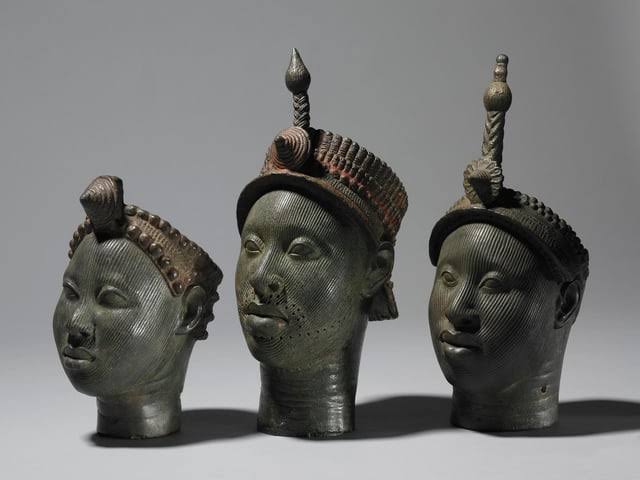
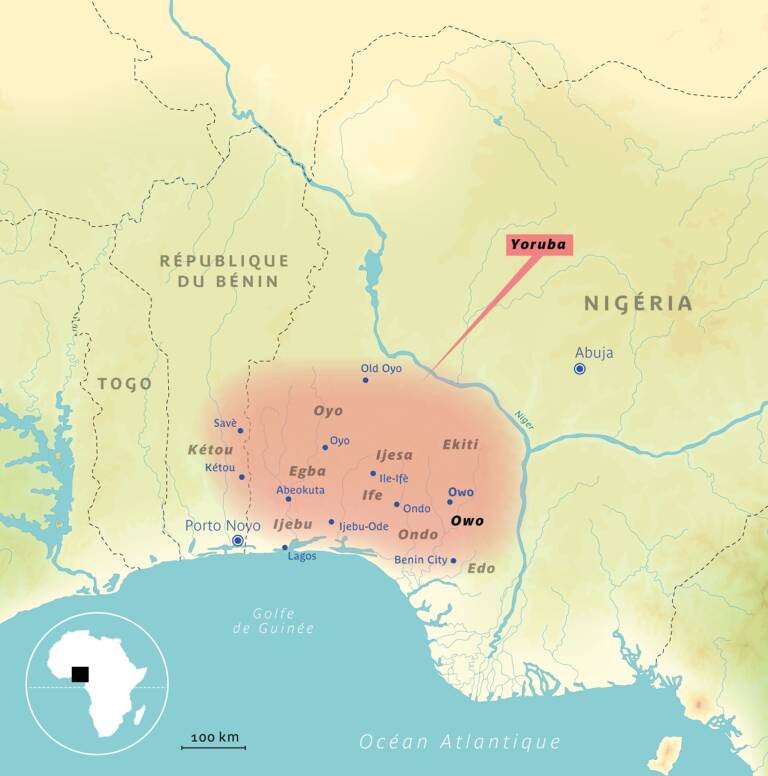
Among the great figures celebrated in Yoruba history and folklore, few command as much admiration as Moremi Ajasoro. Revered as a symbol of courage, sacrifice, intelligence, and patriotism, Moremi occupies a special place in the cultural memory of the Yoruba people.
Her story is one of extraordinary bravery. At a time when the ancient city of Ile-Ife faced repeated attacks from mysterious invaders, Moremi risked everything—including her freedom, her family, and ultimately her beloved son—to save her people.
For centuries, her tale has been passed down through oral traditions, songs, festivals, plays, and literature. Today, Moremi remains one of the most celebrated heroines in African history and a powerful symbol of selfless leadership.

The Historical and Legendary Moremi
Like many ancient figures, Moremi exists at the intersection of history and legend.
Although historians debate the precise details of her life, Yoruba oral traditions consistently portray her as a noble woman of Ile-Ife who lived during a period of great crisis.
The story has survived for generations because it conveys values deeply respected in Yoruba culture:
- Courage
- Wisdom
- Patriotism
- Sacrifice
- Loyalty
- Service to the community
Whether viewed as historical fact, legend, or a combination of both, Moremi’s influence remains profound.
Ile-Ife Under Threat
According to tradition, Ile-Ife faced a terrifying problem.
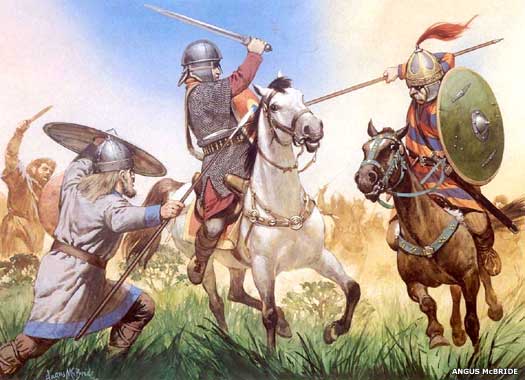
The city was repeatedly attacked by a mysterious group known as the Ugbo or forest invaders.
These attackers appeared suddenly, causing destruction and fear.
What made them particularly frightening was their unusual appearance.
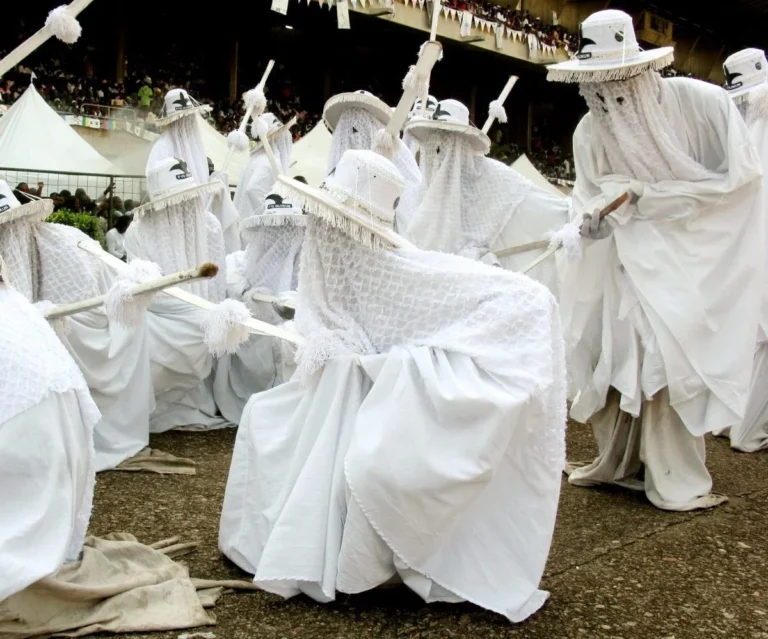
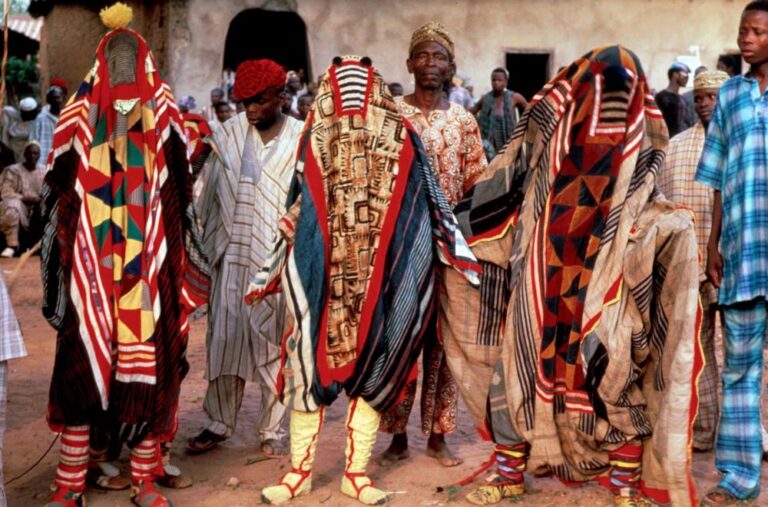
The invaders reportedly wore strange costumes made from raffia and other materials, making them seem supernatural.
Many residents believed they were spirits rather than human beings.
As a result, the people of Ife struggled to defend themselves.
Fear in the Ancient City
The repeated attacks created widespread fear.
Residents worried about:
- Their safety
- Their families
- Their property
- The future of the city
Traditional military responses proved ineffective.
The mysterious nature of the attackers made resistance difficult.
Community leaders searched desperately for solutions.
It was during this period of uncertainty that Moremi emerged as a remarkable figure.
Who Was Moremi?
Tradition describes Moremi as a woman of exceptional beauty, intelligence, and noble character.
She was married to a prominent ruler of Ile-Ife and enjoyed a respected position within society.
However, her significance would ultimately stem not from her status but from her actions.
Moremi was deeply concerned about the suffering of her people.
Unlike many others who felt powerless, she decided to take personal responsibility for finding a solution.
Her decision would change the course of Yoruba history.
Moremi’s Bold Plan
Determined to uncover the secret of the invaders, Moremi developed an extraordinary plan.
She resolved to infiltrate the enemy.
To accomplish this, she intentionally allowed herself to be captured during one of the attacks.
This decision involved enormous risk.
She faced the possibility of:
- Enslavement
- Abuse
- Death
- Permanent separation from her family
Yet Moremi believed that understanding the enemy was essential to saving Ife.
Her willingness to sacrifice personal safety demonstrated exceptional courage.
Captivity Among the Invaders
After her capture, Moremi was taken to the invaders’ settlement.
There, she carefully observed their customs, organization, and military practices.
Over time, she gained the trust of her captors.
According to tradition, she eventually became closely associated with their leader.
This position provided access to valuable information.
Most importantly, Moremi discovered the secret behind the invaders’ terrifying appearance.
They were not spirits at all.
They were ordinary human beings wearing raffia disguises.
The Discovery
This revelation changed everything.
The fear that had paralyzed the people of Ife was based on misunderstanding.
The invaders had deliberately cultivated an aura of supernatural power.
Their disguises intimidated opponents and discouraged resistance.
Moremi realized that if the people of Ife understood the truth, they could defeat their attackers.
However, she still faced the challenge of returning home and sharing this information.
Moremi Returns to Ife
After gathering the knowledge she needed, Moremi eventually returned to Ile-Ife.
She informed the leaders of the city about what she had learned.
Her report revealed:
- The invaders were human.
- Their strength depended partly on fear.
- Their raffia costumes were vulnerable to fire.
Armed with this information, the people of Ife prepared a new strategy.
The city’s defenders were no longer fighting unknown supernatural beings.
They were confronting human opponents.
This knowledge transformed the balance of power.
The Defeat of the Invaders
When the invaders attacked again, the people of Ife implemented Moremi’s strategy.
According to tradition, they used fire against the raffia costumes.
The disguises ignited easily, exposing the attackers and creating confusion.
Without the advantage of fear and mystery, the invaders were defeated.
Ile-Ife was finally liberated from the threat that had plagued it for so long.
The city celebrated its victory.
Moremi was recognized as the hero responsible for saving the community.
The Promise to the River Spirit
The story, however, does not end with victory.
Before undertaking her mission, Moremi had reportedly made a sacred vow.
She promised a powerful river spirit that if her efforts succeeded, she would offer whatever sacrifice was requested.
At the time, she likely did not anticipate the nature of the demand.
After the city’s liberation, the spirit returned to claim its reward.
The price would be devastating.
The Sacrifice of Oluorogbo
According to tradition, the spirit demanded the life of Moremi’s only son, Oluorogbo.
This request presented Moremi with an impossible choice.
She had already sacrificed greatly for her people.
Now she was asked to surrender the person she loved most.
Despite her grief, Moremi honored her promise.
The sacrifice of Oluorogbo became one of the most emotional and memorable aspects of the story.
It transformed Moremi from a courageous hero into a symbol of ultimate selflessness.
The Meaning of the Sacrifice
The sacrifice of Oluorogbo carries deep symbolic significance.
It emphasizes several important themes:
Duty Above Self
Personal interests may sometimes yield to communal welfare.
Integrity
Promises should be honored even when difficult.
Leadership
True leadership often requires sacrifice.
Love for Community
The well-being of society may demand extraordinary commitment.
These themes have contributed to the enduring power of Moremi’s story.
Moremi as a Symbol of Female Leadership
Moremi occupies a unique position in Yoruba history because she demonstrates the important role women have played in leadership.
Her story challenges assumptions that political and military heroism belong exclusively to men.
Moremi succeeded through:
- Intelligence
- Strategic thinking
- Diplomacy
- Courage
Her achievements highlight the diverse ways leadership can be exercised.
She remains a role model for women throughout Nigeria and beyond.
Moremi in Yoruba Oral Tradition
For centuries, storytellers have preserved Moremi’s legacy through oral tradition.
Her story has been transmitted through:
- Folktales
- Songs
- Praise poetry
- Festivals
- Family narratives
These traditions ensured that her memory survived long before written histories became common.
Oral transmission remains an important aspect of Yoruba cultural preservation.
Festivals in Honor of Moremi
Several cultural events celebrate Moremi’s contributions.
These festivals often include:
- Traditional performances
- Historical reenactments
- Music and dance
- Educational activities
Such celebrations help younger generations learn about Yoruba history and values.
They also reinforce community identity and pride.
Moremi in Literature and Drama
Modern writers and dramatists have frequently drawn inspiration from Moremi.
Her story has appeared in:
- Novels
- Plays
- Poems
- Television productions
- Academic studies
These works reinterpret her legacy for contemporary audiences.
They demonstrate the continuing relevance of her example.
Monuments and Memorials
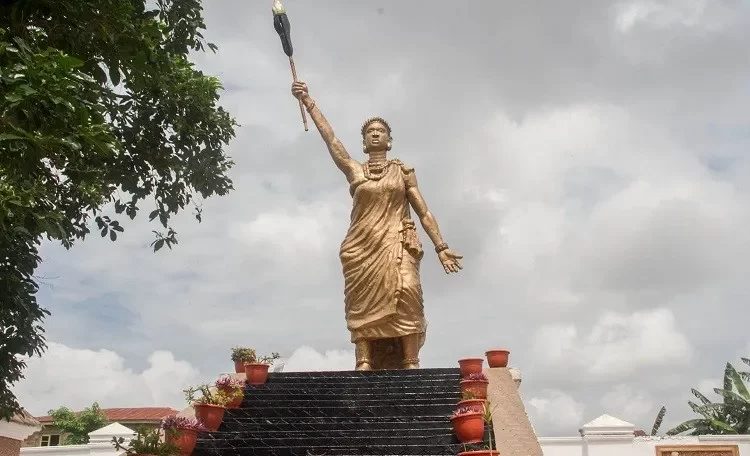
Moremi’s significance is reflected in monuments dedicated to her memory.
Statues and memorials serve as visible reminders of her sacrifice.
They symbolize:
- Courage
- Patriotism
- Service
- Cultural heritage
Visitors to these sites encounter a powerful representation of Yoruba historical identity.
Lessons from Moremi’s Story
Moremi’s life offers important lessons:
- Courage can overcome fear.
- Knowledge is a powerful weapon.
- Leadership requires sacrifice.
- Communities thrive when individuals serve the common good.
- Women play essential roles in society and history.
These lessons continue to resonate in modern times.
Moremi’s Place in African History
Although rooted in Yoruba tradition, Moremi’s story possesses universal significance.
She belongs among the great heroines of world history because of:
- Her bravery
- Her strategic intelligence
- Her selflessness
- Her lasting influence
Her example demonstrates that ordinary individuals can achieve extraordinary things when motivated by a commitment to others.
The Enduring Legacy of Moremi
Centuries after her death, Moremi remains one of the most beloved figures in Yoruba culture.
She is remembered as:
- A patriot
- A strategist
- A mother
- A leader
- A heroine
Her legacy transcends generations.
It continues to inspire people facing challenges that require courage and sacrifice.
Conclusion
Moremi Ajasoro stands as one of the greatest heroines in Yoruba history. Through intelligence, bravery, and selfless devotion to her people, she saved Ile-Ife from a devastating threat and secured her place in cultural memory.
Her willingness to risk her life, infiltrate the enemy, and ultimately sacrifice her beloved son reflects an extraordinary commitment to the welfare of her community. These actions transformed her into a symbol of leadership and patriotism that endures to this day.
The story of Moremi reminds us that true heroism is not measured by power or wealth but by the willingness to place the needs of others above one’s own. Her legacy remains a shining example of courage, sacrifice, and service—values that continue to inspire Yoruba people and admirers around the world.