The Osun-Osogbo Festival – Celebrating Faith, Heritage, and Culture
Introduction
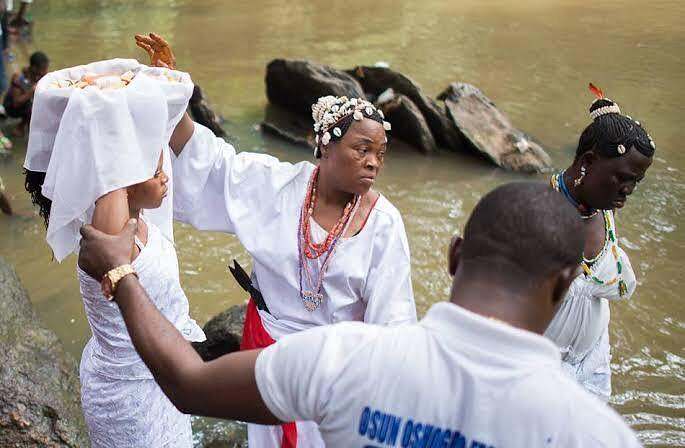
Among the most celebrated cultural and spiritual events in Africa, the Osun-Osogbo Festival stands as a remarkable expression of Yoruba faith, heritage, and identity. Held annually in the ancient city of Osogbo in southwestern Nigeria, the festival attracts thousands of worshippers, cultural enthusiasts, scholars, tourists, and members of the African diaspora from around the world.
More than a religious ceremony, the Osun-Osogbo Festival represents a living connection between the Yoruba people and their ancestral traditions. It is a celebration of community, spirituality, history, art, and cultural continuity.
For centuries, the festival has honored Osun, the revered Orisha associated with rivers, fertility, beauty, prosperity, and feminine power. Through rituals, processions, music, dance, and sacred observances, participants reaffirm their relationship with the divine and celebrate one of the most enduring traditions in Yoruba civilization.

The City of Osogbo
The festival takes place in Osogbo, the capital of modern-day Osun State.
Osogbo occupies a special place in Yoruba history and spirituality.
The city is known for:
- Rich cultural traditions
- Historical significance
- Artistic achievements
- Religious importance
Over time, Osogbo became one of the most important centers of Yoruba spiritual life.
Its association with the Osun River contributed greatly to its prominence.
Today, the city remains a major destination for cultural tourism and religious pilgrimage.
Who Is Osun?
At the heart of the festival is Osun, one of the most beloved Orisha in Yoruba spirituality.
Osun is associated with:
- Rivers
- Fertility
- Love
- Beauty
- Prosperity
- Compassion
She is often regarded as a nurturing and protective figure who supports individuals, families, and communities.
Devotees believe she possesses the power to bless people with:
- Children
- Health
- Success
- Harmony
- Emotional well-being
Her importance extends far beyond Osogbo and throughout the Yoruba world.
The Origin of the Festival
The origins of the Osun-Osogbo Festival are rooted in ancient traditions.
According to Yoruba oral history, early settlers arrived in the area that would become Osogbo and established a community near the Osun River.
Tradition holds that Osun entered into a sacred covenant with the founders of the town.
In exchange for their respect and devotion, she promised:
- Protection
- Prosperity
- Fertility
- Guidance
The annual festival developed as a means of honoring this covenant and expressing gratitude.
The Sacred Covenant
The covenant between Osun and the people of Osogbo occupies a central place in the festival’s meaning.
It symbolizes:
- Mutual responsibility
- Spiritual connection
- Community identity
- Divine protection
Each year, the festival renews this relationship.
Participants reaffirm their commitment to preserving the traditions associated with Osun and the sacred grove.
This continuity links present generations with their ancestors.
The Osun Sacred Grove
One of the most important locations associated with the festival is the Osun Sacred Grove.
Situated along the banks of the Osun River, the grove serves as a major spiritual center.
The site contains:
- Shrines
- Sculptures
- Sacred pathways
- Ritual spaces
- Forested areas
For centuries, it has been regarded as a sacred environment dedicated to Osun.
The grove remains one of the last surviving examples of traditional Yoruba sacred forests.
UNESCO Recognition
The significance of the Osun Sacred Grove received international recognition in 2005 when it was designated a UNESCO World Heritage Site.
The recognition acknowledged:
- Cultural importance
- Historical value
- Religious significance
- Artistic heritage
The designation helped increase global awareness of Yoruba civilization and the need to preserve indigenous cultural traditions.
Today, the grove is recognized as one of Africa’s most important heritage sites.
The Festival Calendar
The Osun-Osogbo Festival is not a single-day event.
Rather, it unfolds over several days and includes a series of ceremonies and activities.
Preparations begin well before the main celebration.
The festival typically includes:
- Spiritual cleansing rituals
- Community gatherings
- Traditional performances
- Processions
- Religious observances
Each stage carries symbolic meaning.
Together, they create a comprehensive expression of Yoruba spirituality.
Spiritual Cleansing
The opening ceremonies often focus on purification and renewal.
Community members participate in activities intended to:
- Remove negativity
- Promote harmony
- Prepare for sacred observances
These rituals emphasize the importance of spiritual readiness.
They also reinforce communal solidarity.
Traditional Processions
Processions form one of the most visually striking aspects of the festival.
Participants wear colorful traditional attire and move through the city in organized groups.
The processions feature:
- Drumming
- Singing
- Dancing
- Praise chanting
These activities celebrate both spiritual devotion and cultural identity.
The atmosphere is vibrant and festive.
The Role of the Arugba
One of the most important figures in the festival is the Arugba.
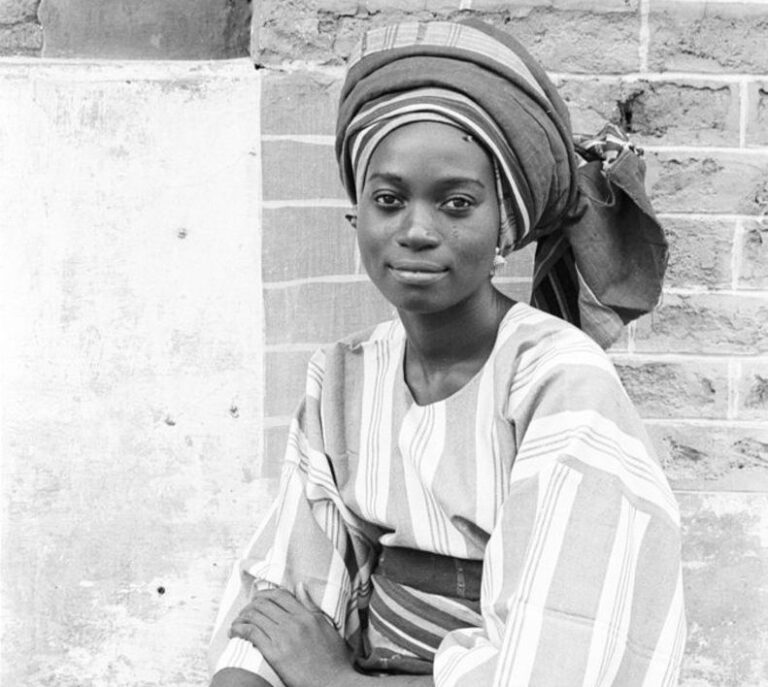
The Arugba is a young woman chosen to carry sacred offerings to the grove.
She serves as a symbolic representative of the community.
Her responsibilities include:
- Participating in ceremonial processions
- Carrying offerings
- Representing purity and continuity
The role is highly respected and carries deep spiritual significance.
The Sacred Calabash
During the procession, the Arugba carries a sacred calabash containing offerings.
The contents symbolize:
- Community prayers
- Hopes for prosperity
- Requests for protection
- Expressions of gratitude
The journey to the sacred grove represents the community’s collective relationship with Osun.
This moment is often regarded as the emotional and spiritual climax of the festival.
Music and Drumming
Music is essential to the Osun-Osogbo Festival.
Traditional instruments include:
- Talking drums
- Bata drums
- Percussion ensembles
Musicians perform rhythms associated with Yoruba spiritual traditions.
Songs often praise:
- Osun
- Ancestors
- Community leaders
- Cultural heroes
The music creates an atmosphere of celebration and reverence.
Dance as Spiritual Expression
Dance plays both artistic and spiritual roles.
Participants use movement to express:
- Joy
- Gratitude
- Devotion
- Cultural pride
Traditional dance styles passed down through generations remain central to the festivities.
These performances preserve cultural knowledge while entertaining participants and visitors.
Participation of Traditional Rulers
Traditional rulers play important roles in the festival.
Their presence symbolizes continuity between past and present.
Rulers often participate in:
- Ceremonies
- Processions
- Public celebrations
Their involvement reinforces the connection between governance, culture, and spirituality in Yoruba tradition.
Community Unity
One of the festival’s most important functions is promoting unity.
The event brings together:
- Families
- Religious practitioners
- Community leaders
- Visitors
- Members of the diaspora
Differences of age, profession, and social status become secondary to shared cultural identity.
The festival strengthens social bonds and collective pride.
Economic Impact
The Osun-Osogbo Festival contributes significantly to the local economy.
Visitors generate demand for:
- Hotels
- Restaurants
- Transportation
- Crafts
- Entertainment
Local businesses benefit from increased economic activity.
The festival demonstrates how cultural heritage can support sustainable development.
Artistic Heritage
The festival also highlights Yoruba artistic traditions.
Visitors encounter:
- Sculpture
- Textile arts
- Beadwork
- Wood carving
- Performance arts
The Osun Sacred Grove itself contains numerous artistic works inspired by Yoruba spirituality.
These creations contribute to the festival’s cultural richness.
The African Diaspora Connection
The festival attracts participants from across the African diaspora.
Visitors travel from:
- Brazil
- Cuba
- Trinidad and Tobago
- The United States
- Europe
- Other African countries
Many seek to reconnect with ancestral traditions.
The festival serves as a bridge between Africa and its global descendants.
Preservation of Yoruba Culture
The Osun-Osogbo Festival plays a vital role in cultural preservation.
It helps maintain:
- Religious traditions
- Oral history
- Music
- Dance
- Language
- Community values
Younger generations learn about their heritage through participation.
This educational function is essential to cultural continuity.
Modern Challenges
Like many traditional festivals, Osun-Osogbo faces challenges.
These include:
- Urbanization
- Environmental pressures
- Commercialization
- Cultural change
Community leaders and cultural organizations work to balance modernization with preservation.
Their efforts help ensure the festival’s survival.
Global Recognition
Today, the Osun-Osogbo Festival enjoys international recognition.
Scholars study it as an example of:
- Living heritage
- Indigenous spirituality
- Cultural resilience
Tourists and researchers from around the world attend the event.
Its growing visibility highlights the global importance of Yoruba culture.
Lessons from the Festival
The Osun-Osogbo Festival teaches valuable lessons:
- Cultural heritage deserves preservation.
- Community strengthens identity.
- Spiritual traditions can coexist with modern life.
- Art and religion often reinforce one another.
- Respect for nature remains important.
These lessons extend beyond Yorubaland.
The Enduring Legacy of Osun
For centuries, the festival has connected generations through shared rituals and beliefs.
Its endurance reflects:
- Spiritual commitment
- Cultural resilience
- Community cooperation
The annual celebration continues to inspire pride among Yoruba people and admiration among visitors.
It remains one of Africa’s most important cultural events.
Conclusion
The Osun-Osogbo Festival is far more than an annual celebration. It is a living expression of Yoruba spirituality, history, art, and identity. Through its rituals, processions, music, and sacred observances, the festival preserves traditions that have endured for centuries.
At its heart lies the enduring relationship between the people of Osogbo and Osun, the revered Orisha of fertility, prosperity, and compassion. This relationship continues to unite communities, attract global visitors, and inspire future generations.
As both a spiritual pilgrimage and a cultural celebration, the Osun-Osogbo Festival stands as one of the greatest achievements of Yoruba civilization and a powerful reminder of the enduring strength of cultural heritage.