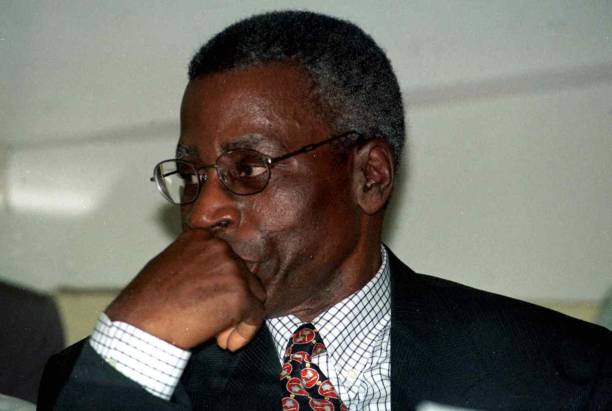
Chief Bola Ige – The Cicero of Esa-Oke and Champion of Democracy
Introduction
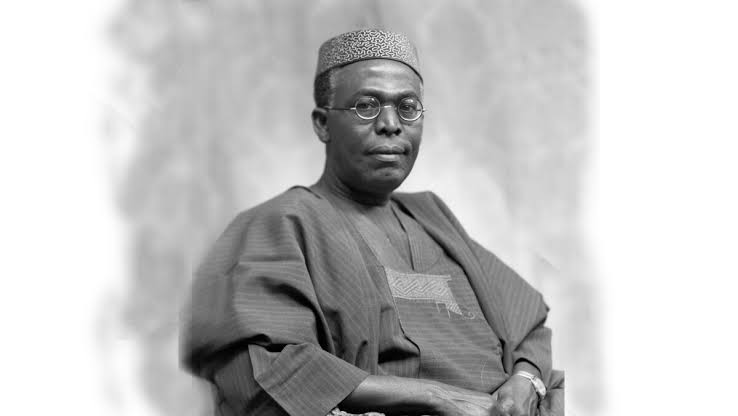
Among the most influential political figures produced by Yorubaland in the twentieth century, Chief Bola Ige occupies a unique and respected place. Renowned for his brilliance, eloquence, courage, and unwavering commitment to democratic principles, he became one of Nigeria’s most prominent statesmen and one of the foremost defenders of civil liberties and constitutional governance.
Often referred to as “The Cicero of Essar-Hoke”, a reference to the famous Roman orator Cicero, Bola Ige earned admiration for his exceptional command of language, persuasive public speaking, and intellectual depth. Throughout his career, he combined scholarship with activism, law with politics, and public service with principled leadership.
His contributions to education, governance, democracy, and national development continue to inspire Nigerians decades after his death. He remains an enduring symbol of integrity, courage, and visionary leadership.

This article explores the life, career, achievements, and legacy of Chief Bola Ige.
Early Life and Family Background
James Ajibola Idowu Ige, popularly known as Bola Ige, was born on September 13, 1930, in Esa-Oke, a historic town in present-day Osun State, Nigeria.
He grew up during a period when Nigeria remained under British colonial administration.
His family valued:
- Education
- Discipline
- Hard work
- Public service
These influences shaped his character from an early age.
The environment in which he was raised helped nurture his intellectual curiosity and leadership potential.
Childhood and Education
Bola Ige quickly distinguished himself as an exceptionally bright student.
He demonstrated:
- Academic excellence
- Strong communication skills
- Leadership qualities
His early educational achievements attracted attention from teachers and mentors.
Education became one of the defining features of his life.
He viewed learning as both a personal responsibility and a tool for societal progress.
Higher Education
Following successful completion of his early studies, Ige pursued higher education.
His academic journey eventually took him abroad.
There, he expanded his understanding of:
- Politics
- Law
- Governance
- International affairs
Exposure to different intellectual traditions broadened his perspective and prepared him for future leadership roles.
Legal Training
Bola Ige studied law and qualified as a legal practitioner.
His legal education equipped him with skills in:
- Argumentation
- Constitutional analysis
- Public advocacy
- Justice administration
Law provided a foundation for his later political career.
His legal background strengthened his commitment to the rule of law and democratic governance.
Return to Nigeria
Upon returning to Nigeria, Ige established himself professionally while becoming increasingly involved in public affairs.
The country was moving toward independence, and political participation was expanding.
Like many educated Nigerians of his generation, he viewed politics as an avenue for national development.
His talents quickly attracted attention.
Influence of Chief Obafemi Awolowo
One of the most important influences on Bola Ige’s political development was Chief Obafemi Awolowo.
Awolowo’s commitment to:
- Education
- Federalism
- Social welfare
- Progressive politics
left a lasting impression on Ige.
He became one of the most prominent members of the political tradition associated with Awolowo’s ideals.
This connection shaped much of his public career.
Entry into Politics
Bola Ige entered politics during a transformative period in Nigerian history.
He quickly earned a reputation as:
- Intelligent
- Articulate
- Fearless
- Principled
His speeches attracted widespread attention.
Supporters admired his ability to explain complex political issues in accessible language.
Exceptional Oratory
One of Ige’s most celebrated qualities was his mastery of public speaking.
His speeches were characterized by:
- Clarity
- Humor
- Logic
- Persuasiveness
These abilities earned him the nickname:
“The Cicero of Esa-Oke.”
Like the Roman statesman Cicero, Ige became famous for eloquence and intellectual sophistication.
Role in Progressive Politics
Ige emerged as a leading figure within Nigeria’s progressive political movement.
He advocated policies emphasizing:
- Education
- Social justice
- Democratic governance
- Economic development
His political philosophy reflected a belief that government should improve the lives of ordinary citizens.
This commitment earned him considerable support.
Governor of Oyo State
One of the most significant milestones in Ige’s career came when he became Governor of Oyo State in 1979.
His administration focused on:
- Education
- Infrastructure
- Public services
The position provided an opportunity to implement many of the ideas he had long advocated.
His tenure remains an important part of his legacy.
Educational Reforms
Education remained one of Ige’s highest priorities.
His administration sought to expand opportunities for learning.
Policies emphasized:
- School development
- Access to education
- Educational quality
These initiatives reflected the influence of the Awolowo political tradition.
Education was viewed as essential for social and economic advancement.
Infrastructure Development
Ige’s government also invested in infrastructure.
Projects included improvements in:
- Roads
- Public facilities
- Administrative systems
Such investments aimed to support economic growth and improve quality of life.
Infrastructure development became an important component of his governance agenda.
Commitment to Public Service
Throughout his career, Ige emphasized service rather than personal gain.
He believed public office carried responsibilities to:
- Citizens
- Communities
- Future generations
This perspective contributed to his reputation for integrity and dedication.
Many supporters viewed him as a principled public servant.
Advocacy for Democracy
Ige was a strong defender of democratic values.
He consistently supported:
- Free elections
- Constitutional government
- Civil liberties
- Political participation
His commitment to democracy remained evident even during periods of political instability.
He frequently spoke out against authoritarian tendencies.
Opposition to Military Rule
Like many pro-democracy activists, Ige criticized military interventions in politics.
He argued that democratic governance provided the best framework for national development.
His views reflected broader concerns regarding:
- Accountability
- Human rights
- Rule of law
This stance sometimes placed him at odds with powerful interests.
Defense of Civil Liberties
Civil liberties occupied a central place in Ige’s political philosophy.
He advocated protections for:
- Freedom of expression
- Freedom of association
- Political participation
His legal and political careers both reflected these commitments.
Many regarded him as a champion of constitutional rights.
National Political Influence
Although deeply connected to Yorubaland, Ige’s influence extended throughout Nigeria.
He participated in national debates concerning:
- Federalism
- Governance
- Economic policy
- National unity
His contributions earned respect beyond regional boundaries.
He became a major national figure.
Service in Federal Government
Ige later served in various national positions, including ministerial appointments.
These roles expanded his influence and responsibilities.
He continued advocating policies aimed at strengthening democratic institutions and promoting development.
His experience enriched national governance discussions.
Intellectual Contributions
Beyond politics, Ige was respected as an intellectual.
He frequently engaged in discussions concerning:
- History
- Law
- Public policy
- Governance
His writings and speeches demonstrated deep engagement with complex issues.
This intellectual dimension distinguished him from many contemporaries.
Relationship with Yoruba Culture
Ige remained proud of his Yoruba heritage.
He supported:
- Cultural preservation
- Historical awareness
- Language appreciation
At the same time, he promoted national unity and cooperation among Nigeria’s diverse communities.
His approach balanced cultural pride with broader citizenship.
Courage in Public Life
One of the most admired aspects of Ige’s character was his courage.
He was known for expressing his views openly, even when doing so involved political risks.
This fearlessness contributed significantly to his reputation.
Supporters admired his willingness to defend principles under difficult circumstances.
Assassination and National Shock
On December 23, 2001, Bola Ige was assassinated.
The event shocked Nigeria and generated widespread grief.
His death represented a major loss to:
- Democratic politics
- Public service
- National leadership
Many Nigerians viewed the tragedy as an attack on the values he represented.
Public Reaction
The response to Ige’s death reflected the respect he had earned.
Political leaders, citizens, scholars, and activists expressed admiration for his contributions.
Tributes highlighted:
- His integrity
- His intellect
- His patriotism
The outpouring of emotion demonstrated his national significance.
Legacy in Nigerian Democracy
Bola Ige’s legacy remains closely associated with democratic ideals.
He is remembered as:
- A defender of freedom
- A constitutionalist
- A principled leader
His example continues to inspire advocates of democratic governance.
Influence on Future Generations
Many younger politicians, lawyers, and activists study Ige’s life and career.
His achievements demonstrate the importance of:
- Education
- Integrity
- Courage
- Public service
These lessons remain relevant for contemporary leadership.
Honors and Recognition
Numerous institutions and public discussions continue to honor Ige’s memory.
His contributions are recognized through:
- Academic studies
- Public commemorations
- Historical scholarship
His reputation endures as one of Nigeria’s most respected political figures.
Lessons from Bola Ige’s Life
His life offers important lessons:
- Education empowers leadership.
- Democracy requires vigilance.
- Public service should prioritize the common good.
- Courage matters in political life.
- Principles are worth defending.
These lessons continue to inspire many people.
The Enduring Legacy of the Cicero of Esa-Oke
More than two decades after his death, Bola Ige remains a symbol of principled leadership.
His contributions to:
- Democracy
- Education
- Governance
- Civil liberties
continue to influence public discourse.
His legacy transcends political eras and party affiliations.
Conclusion
Chief Bola Ige stands among the most influential Yoruba and Nigerian statesmen of the modern era. Through his brilliance, eloquence, commitment to education, and defense of democratic principles, he left an indelible mark on public life.
From his early years in Esa-Oke to his service as governor, minister, lawyer, and national leader, Ige consistently championed values of justice, accountability, and civic responsibility. His courage in the face of political challenges earned him widespread admiration and the enduring title of “The Cicero of Esa-Oke.”
Today, his legacy continues to inspire those who believe in democracy, integrity, and public service. His life remains a powerful reminder that leadership grounded in principle can leave a lasting impact on society.