
Yoruba Resistance During Colonial Rule
Introduction
The arrival of European colonial powers in West Africa marked one of the most transformative periods in Yoruba history. During the nineteenth and early twentieth centuries, British influence gradually expanded across Yorubaland, bringing profound changes to political institutions, economic systems, social structures, and cultural traditions.
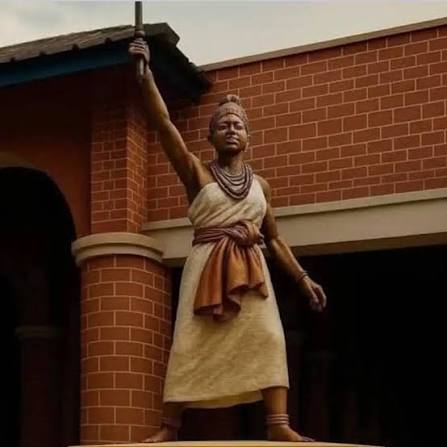
However, colonial rule was not accepted without opposition. Across Yorubaland, traditional rulers, military leaders, merchants, intellectuals, religious figures, and ordinary citizens resisted colonial domination in various ways. Some forms of resistance involved warfare and armed confrontation, while others relied on diplomacy, political activism, education, journalism, and cultural preservation.
The story of Yoruba resistance during colonial rule is one of courage, adaptability, and determination. It demonstrates how the Yoruba people sought to defend their autonomy, protect their heritage, and shape their own future despite the pressures of foreign control.

The Background to Colonial Expansion
Before colonial rule, Yorubaland consisted of numerous kingdoms and city-states with long traditions of self-government.
Major centers included:
- Oyo
- Ibadan
- Abeokuta
- Ijebu
- Ondo
- Ekiti communities
- Ilesa
- Owo
Although the decline of the Oyo Empire and the Yoruba Wars had weakened regional unity, Yoruba states remained politically active and economically vibrant.
At the same time, European powers were increasing their involvement in Africa through trade, missionary activity, and diplomatic agreements.
These developments eventually paved the way for colonial domination.
The British Interest in Yorubaland
Britain’s interest in Yorubaland was driven by several factors:
Economic Opportunities
The region offered access to valuable agricultural products and commercial markets.
Strategic Importance
Control of trade routes strengthened Britain’s influence in West Africa.
Political Expansion
British authorities sought to expand their territorial possessions.
Missionary Activities
Christian missions encouraged closer connections between Britain and local communities.
Initially, British involvement focused on commerce and diplomacy.
Over time, however, economic interests became closely linked to political control.
The Annexation of Lagos
One of the most significant events in Yoruba colonial history was the annexation of Lagos in 1861.
Lagos had become an important commercial center and a gateway to international trade.
British authorities claimed that annexation would help suppress the slave trade and promote legitimate commerce.
The move effectively brought Lagos under British control and marked the beginning of direct colonial influence in Yorubaland.
Many Yoruba leaders recognized that this development would have far-reaching consequences.
Early Diplomatic Resistance
Not all resistance took the form of warfare.
Many Yoruba rulers initially attempted to preserve their independence through diplomacy.
Traditional leaders negotiated treaties, sought alliances, and engaged in discussions with colonial officials.
Their objectives included:
- Protecting sovereignty
- Preserving local authority
- Maintaining economic independence
- Limiting foreign interference
Although diplomacy sometimes delayed colonial expansion, it rarely prevented it entirely.
Nevertheless, these efforts reflected a determination to defend Yoruba interests.
Resistance by the Ijebu Kingdom
Among the strongest opponents of British expansion was the Ijebu Kingdom.
The Ijebu controlled important trade routes connecting the interior of Yorubaland to the coast.
British officials sought greater access to these routes for commercial purposes.
The Ijebu leadership resisted these demands, fearing loss of political and economic independence.
Tensions increased as negotiations failed to produce agreement.
The resulting conflict became one of the most important episodes of Yoruba resistance.
The Anglo-Ijebu War of 1892
In 1892, British forces launched a military campaign against the Ijebu Kingdom.
The conflict, commonly known as the Anglo-Ijebu War, demonstrated the determination of the Ijebu people to defend their autonomy.
Despite courageous resistance, the British possessed superior military technology, including modern firearms and artillery.
The campaign ended with British victory and the incorporation of Ijebu territory into the colonial system.
Although unsuccessful militarily, the resistance remains an important symbol of Yoruba opposition to colonial domination.
The Role of Ibadan
Ibadan emerged as one of the most influential Yoruba cities during the late nineteenth century.
As a major military and political center, it played a significant role in regional affairs.
Ibadan leaders often sought to balance competing interests:
- Preserving local authority
- Maintaining security
- Managing relationships with colonial officials
While direct military confrontation with Britain was limited, many Ibadan leaders worked to protect Yoruba interests within changing political circumstances.
Their actions reflected a pragmatic form of resistance focused on preserving local influence.
Egba Resistance and Political Independence
The Egba people of Abeokuta developed a reputation for political independence.
Abeokuta had been founded as a refuge during the Yoruba Wars and possessed strong traditions of self-government.
Egba leaders frequently resisted external interference, whether from neighboring states or colonial authorities.
They sought to maintain:
- Political autonomy
- Economic independence
- Traditional institutions
For many years, the Egba exercised considerable control over their internal affairs.
Their resistance demonstrated the strength of local political organization.
The Importance of Traditional Rulers
Traditional rulers played crucial roles in resisting colonial domination.
Many monarchs attempted to preserve their authority by:
- Negotiating with colonial officials
- Mobilizing public support
- Defending customary institutions
- Protecting cultural traditions
Although colonial rule often reduced their political power, many rulers remained influential figures within their communities.
Their efforts helped ensure the survival of important aspects of Yoruba culture.
Cultural Resistance
Resistance was not limited to political and military activities.
Many Yoruba people defended their identity through cultural preservation.
This included maintaining:
- Traditional festivals
- Indigenous languages
- Religious practices
- Artistic traditions
- Family structures
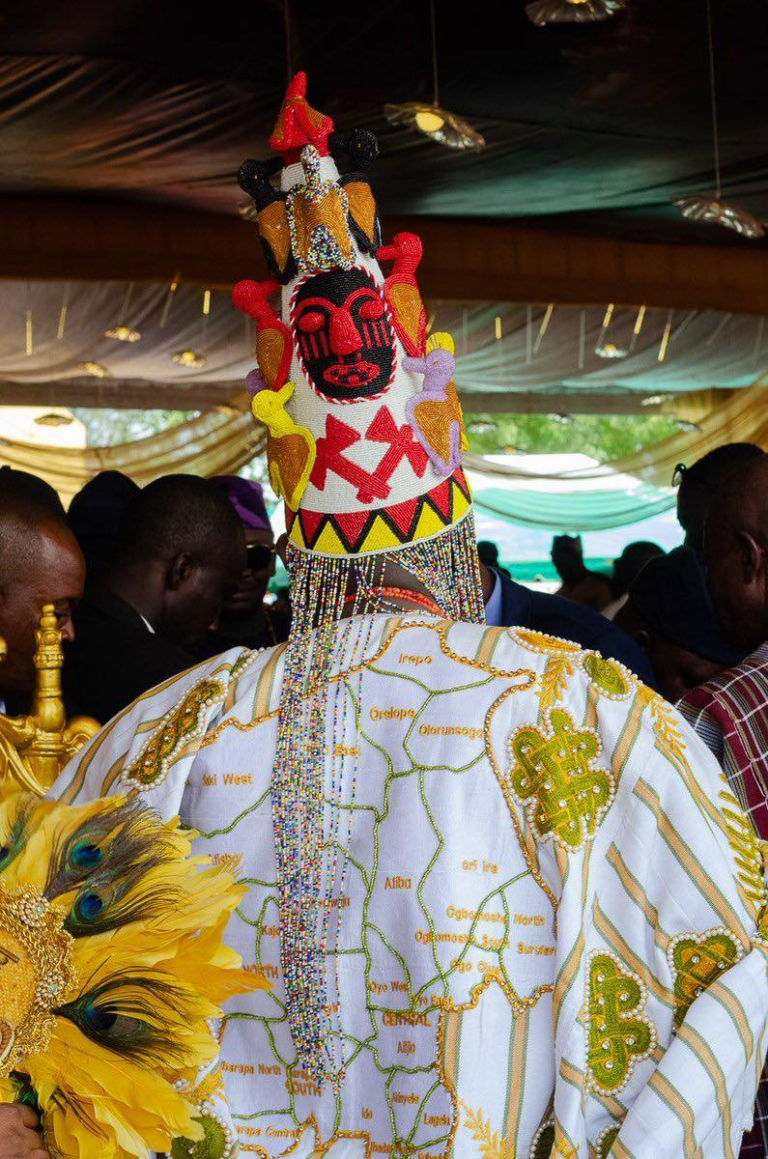
By preserving their cultural heritage, Yoruba communities resisted attempts at cultural assimilation.
This form of resistance proved remarkably effective.
Many traditions survived despite decades of colonial rule.
The Role of Religion
Religion became both a source of change and a vehicle for resistance.
Christianity expanded rapidly during the colonial period, but traditional Yoruba religious practices remained resilient.
Many communities continued to honor:
- Orisha worship
- Ancestor veneration
- Traditional ceremonies
- Indigenous spiritual institutions
Even among Christian converts, elements of Yoruba culture often remained influential.
The coexistence of religious traditions reflected the adaptability of Yoruba society.
Education as a Tool of Resistance
Western education introduced new opportunities and challenges.
Many Yoruba families embraced education because it provided access to administrative positions, professional careers, and political influence.
Educated Yoruba elites later became important critics of colonial policies.
They used education to:
- Advocate for reforms
- Promote African rights
- Challenge discrimination
- Advance nationalist ideas
Education transformed resistance from a purely local struggle into a broader political movement.
The Rise of Yoruba Journalism
Newspapers became powerful instruments of resistance.
Yoruba intellectuals and journalists used the press to:
- Criticize colonial policies
- Promote political awareness
- Defend African interests
- Encourage public debate
Journalism helped create an informed public capable of participating in political discussions.
The emergence of a vibrant press contributed significantly to nationalist movements.
The Contributions of Educated Elites
By the early twentieth century, a growing class of educated Yoruba professionals had emerged.
These individuals included:
- Lawyers
- Teachers
- Clergy
- Journalists
- Civil servants
They increasingly demanded greater political participation and equal treatment under colonial rule.
Their efforts laid the groundwork for future independence movements.
Through advocacy and public engagement, they expanded the scope of resistance.
Nationalism and Political Activism
As colonial rule continued, resistance evolved into organized political activism.
Yoruba leaders participated in broader Nigerian nationalist movements that sought:
- Constitutional reforms
- Expanded representation
- Self-government
- Independence
Political organizations became important platforms for expressing African aspirations.
The struggle against colonial rule gradually shifted from local concerns to national objectives.
Women in the Resistance Movement
Yoruba women played important roles in resisting colonial policies.
As traders, community leaders, and activists, they opposed measures that threatened their economic interests or social status.
Women organized protests, petitions, and campaigns to defend their rights.
Their participation demonstrates that resistance was not limited to male political leaders.
The contributions of women remain an essential part of the history of Yoruba resistance.
Economic Resistance
Many Yoruba communities resisted colonial policies through economic means.
This included:
- Boycotts
- Market protests
- Tax resistance
- Commercial organization
Merchants and traders often used their economic influence to challenge unfair practices.
Economic resistance highlighted the importance of commerce within Yoruba society.
The Preservation of Yoruba Identity
Perhaps the most enduring achievement of Yoruba resistance was the preservation of identity.
Despite colonial efforts to reshape political and social institutions, the Yoruba retained:
- Their language
- Their cultural values
- Their historical traditions
- Their communal institutions
This resilience ensured that Yoruba civilization survived the colonial period largely intact.
The ability to adapt without losing identity became one of the defining characteristics of Yoruba society.
The Road to Independence
The resistance movements of the colonial era ultimately contributed to Nigeria’s independence in 1960.
Yoruba leaders played prominent roles in nationalist politics and constitutional negotiations.
Their efforts helped create a modern nation while preserving important aspects of regional heritage.
The struggle against colonial rule demonstrated the capacity of Yoruba society to adapt to changing circumstances without abandoning its core values.
Legacy of Yoruba Resistance
The legacy of colonial resistance continues to influence contemporary Yoruba society.
Its lessons include:
- The importance of unity
- The value of cultural preservation
- The power of education
- The effectiveness of political participation
- The necessity of defending community interests
These principles remain relevant in modern discussions about governance, identity, and development.
Conclusion
Yoruba resistance during colonial rule took many forms, from military confrontation and diplomatic negotiation to cultural preservation and political activism. Although colonial domination ultimately succeeded in imposing foreign administration, it never succeeded in erasing Yoruba identity.
Traditional rulers defended their authority, communities preserved their customs, intellectuals challenged injustice, and ordinary citizens found ways to protect their heritage. Together, these efforts ensured that Yoruba culture survived one of the most challenging periods in its history.
The story of Yoruba resistance is therefore not merely a story of opposition. It is a story of resilience, adaptability, and determination—a testament to the enduring strength of the Yoruba people and their commitment to preserving their heritage for future generations.