
The Yoruba Diaspora – From West Africa to the World
Introduction
The story of the Yoruba people is not confined to the borders of Nigeria, Benin, or Togo. Over the centuries, Yoruba culture, language, religion, music, cuisine, and traditions have traveled far beyond West Africa, creating vibrant communities across the globe. Today, millions of people of Yoruba descent live in countries throughout the Americas, Europe, the Caribbean, and other parts of Africa.
The Yoruba diaspora is one of the most influential African diasporas in the world. Through resilience, adaptation, and cultural preservation, Yoruba descendants have maintained connections to their ancestral heritage despite the challenges of slavery, colonialism, migration, and globalization.
Their contributions have shaped religions, music, literature, politics, commerce, and cultural life in numerous societies. At the same time, they have preserved important aspects of Yoruba identity, ensuring that ancestral traditions continue to thrive across continents.
This article explores the origins, development, and global impact of the Yoruba diaspora.

Understanding the Yoruba Diaspora
The term “diaspora” refers to a population that has spread from its ancestral homeland to other regions of the world.
The Yoruba diaspora includes:
- Descendants of enslaved Yoruba people
- Voluntary migrants
- Students
- Professionals
- Entrepreneurs
- Religious practitioners
Although dispersed geographically, many members of the diaspora maintain strong cultural connections to Yorubaland.
These connections are expressed through language, religion, family traditions, and community organizations.
Early Yoruba Mobility
Long before European contact, Yoruba people participated in regional trade networks across West Africa.
Merchants traveled extensively, exchanging:
- Textiles
- Agricultural products
- Metal goods
- Craft items
These movements contributed to cultural exchange and the spread of Yoruba influence throughout neighboring regions.
Migration has therefore long been part of Yoruba history.
The Atlantic Slave Trade
The most significant early expansion of the Yoruba diaspora occurred through the transatlantic slave trade.
Between the sixteenth and nineteenth centuries, millions of Africans were forcibly transported to the Americas.
Large numbers of Yoruba people were among those enslaved.
Many originated from regions associated with:
- Oyo
- Ijebu
- Egba
- Ekiti
- Ijesa
- Other Yoruba communities
This forced migration had profound consequences for both Africa and the wider world.
Yoruba Presence in Brazil
Brazil became one of the most important destinations for enslaved Yoruba people.
There, Yoruba descendants became known by names such as:
- Nago
- Yoruba
Despite the hardships of slavery, they preserved important aspects of their culture.
Yoruba influence remains visible in:
- Religion
- Music
- Language
- Cuisine
- Festivals
Brazil continues to host one of the largest Yoruba-descended populations outside Africa.
Yoruba Influence in Cuba
Cuba also received significant numbers of Yoruba captives.
Over time, Yoruba traditions contributed to the development of religious systems that preserved many ancestral beliefs.
These traditions continue to honor:
- Orisha
- Ritual practices
- Sacred music
- Spiritual teachings
Cuba remains one of the most important centers of Yoruba cultural influence in the Americas.
Yoruba Communities in Trinidad and Tobago
Yoruba cultural influences also reached Trinidad and Tobago.
Elements of Yoruba spirituality, music, and social organization became integrated into local traditions.
These influences contributed to the development of unique cultural expressions that continue to be celebrated today.
Yoruba Heritage in Haiti
Although Haiti’s African heritage draws from multiple sources, Yoruba influences remain present in various religious and cultural traditions.
Yoruba concepts, symbols, and spiritual practices contributed to the rich cultural landscape that emerged in the Caribbean.
The Survival of Yoruba Religion
One of the most remarkable achievements of the Yoruba diaspora has been the preservation of religious traditions.
Despite severe oppression, enslaved Yoruba communities maintained beliefs associated with:
- Orisha worship
- Ancestor reverence
- Sacred rituals
- Divination systems
These traditions adapted to new environments while retaining essential Yoruba elements.
Their survival demonstrates extraordinary cultural resilience.
The Global Spread of Orisha Traditions
Today, Yoruba-inspired spiritual traditions can be found throughout the world.
Practitioners gather in:
- Africa
- Europe
- North America
- South America
- The Caribbean
Many seek to reconnect with Yoruba spiritual heritage and ancestral knowledge.
The global presence of these traditions reflects the enduring influence of Yoruba civilization.
Language Preservation in the Diaspora
Although many diaspora communities adopted new languages, traces of Yoruba remain.
Yoruba words survive in:
- Religious ceremonies
- Songs
- Personal names
- Cultural expressions
Efforts to revive and teach Yoruba language have increased in recent decades.
Many descendants view language as an important link to their ancestry.
Yoruba Names Across the World
Names remain one of the most visible markers of Yoruba heritage.
Many families preserve Yoruba names as symbols of identity.
Examples include:
- Adewale
- Olamide
- Ayodele
- Folake
- Abimbola
The continued use of these names demonstrates pride in ancestral origins.
Music and the Yoruba Diaspora
Yoruba musical traditions have influenced numerous genres.
Characteristics such as:
- Complex rhythms
- Percussion ensembles
- Call-and-response singing
appear in various musical styles across the Atlantic world.
The global impact of Yoruba musical culture is difficult to overstate.
The Influence on Popular Music
Modern genres influenced by African traditions often contain elements traceable to Yoruba heritage.
Musicians worldwide continue to draw inspiration from Yoruba rhythms and performance styles.
These influences contribute to the richness of global musical culture.
Yoruba Cuisine Abroad
Food serves as an important means of preserving identity.
Diaspora communities continue preparing traditional dishes such as:
- Amala
- Moi Moi
- Akara
- Egusi soup
- Pounded yam
Restaurants and cultural festivals help introduce these foods to broader audiences.
Cuisine remains a powerful connection to heritage.
Migration in the Colonial Era
During the colonial period, Yoruba migration continued through education, commerce, and employment opportunities.
Many individuals moved to:
- Other parts of Nigeria
- West African cities
- Colonial administrative centers
These migrations expanded Yoruba influence while creating new opportunities.
Post-Independence Migration
Following Nigeria’s independence, Yoruba migration increased further.
Individuals relocated abroad for:
- Education
- Professional careers
- Business opportunities
This wave of migration contributed to the growth of contemporary Yoruba communities worldwide.
Yoruba Communities in the United Kingdom
The United Kingdom hosts one of the largest Yoruba populations outside Africa.
Yoruba migrants have contributed significantly to:
- Education
- Healthcare
- Business
- Politics
- Culture
Community organizations help preserve traditions and support new arrivals.
Yoruba Communities in the United States
The United States has also become an important destination for Yoruba migrants.
Many have achieved success in fields such as:
- Medicine
- Engineering
- Academia
- Entrepreneurship
- Public service
Their achievements contribute to both local communities and broader society.
Yoruba Communities in Canada
Canada’s Yoruba population has grown steadily in recent decades.
Community associations promote:
- Cultural education
- Networking
- Language preservation
These organizations help strengthen cultural identity among younger generations.
Yoruba Communities Across Africa
Yoruba migration has also influenced other African countries.
Communities exist in:
- Ghana
- Sierra Leone
- Côte d’Ivoire
- South Africa
These populations contribute to cultural exchange and regional integration.
Education and Cultural Preservation
Diaspora organizations frequently invest in educational initiatives.
Programs may include:
- Language classes
- Cultural workshops
- Historical education
- Youth mentoring
Education helps maintain connections between younger generations and their heritage.
Festivals in the Diaspora
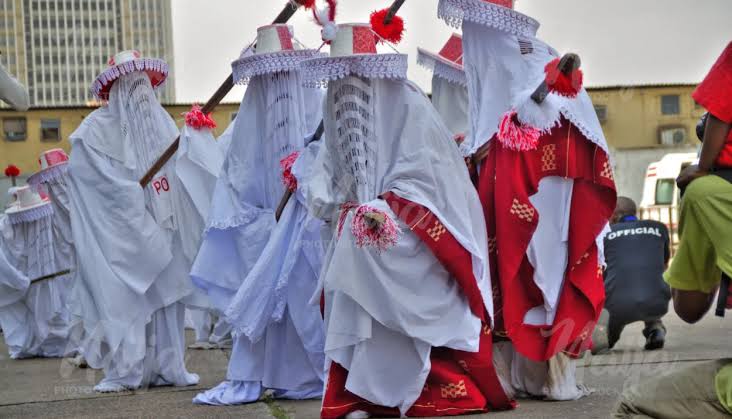
Many Yoruba communities organize cultural festivals abroad.
These events often feature:
- Traditional music
- Dance
- Cuisine
- Fashion
- Religious observances
Festivals provide opportunities for cultural celebration and community building.
Technology and Global Connections
Modern technology has transformed diaspora relationships.
Social media and digital platforms allow individuals to:
- Communicate with relatives
- Learn Yoruba language
- Participate in cultural discussions
- Access historical resources
Technology strengthens global Yoruba networks.
Economic Contributions
Diaspora communities contribute significantly to economic development.
Many support relatives and projects in Nigeria through:
- Investments
- Business partnerships
- Philanthropy
- Remittances
These contributions benefit both local communities and national development.
Challenges Facing the Diaspora
Despite many successes, diaspora communities face challenges.
These include:
- Cultural assimilation
- Language loss
- Identity struggles
- Generational differences
Addressing these challenges requires deliberate preservation efforts.
The Importance of Cultural Identity
For many Yoruba descendants, maintaining cultural identity remains a priority.
Identity provides:
- Belonging
- Historical awareness
- Community support
- Cultural pride
Strong cultural connections help individuals navigate increasingly globalized societies.
Yoruba Contributions to Global Culture
The Yoruba diaspora has enriched global culture through contributions to:
- Religion
- Music
- Literature
- Art
- Scholarship
- Business
These achievements reflect the adaptability and creativity of Yoruba communities.
Reconnecting with Ancestral Heritage
An increasing number of diaspora descendants seek to reconnect with their roots.
Activities may include:
- Visiting Yorubaland
- Learning Yoruba language
- Studying history
- Participating in cultural events
These efforts strengthen relationships between Africa and its global descendants.
Lessons from the Yoruba Diaspora
The history of the Yoruba diaspora teaches important lessons:
- Culture can survive extraordinary adversity.
- Identity remains important across generations.
- Migration creates opportunities and challenges.
- Heritage strengthens communities.
- Cultural diversity enriches humanity.
These lessons resonate far beyond the Yoruba experience.
The Future of the Yoruba Diaspora
The future of the Yoruba diaspora appears bright.
Growing interest in heritage, technology, and cultural education is helping preserve traditions.
New generations continue to celebrate their ancestry while contributing to global society.
The diaspora will likely remain a powerful force for cultural exchange and innovation.
Conclusion
The Yoruba diaspora represents one of the most remarkable stories of cultural resilience in world history. From the tragedy of the transatlantic slave trade to the opportunities of modern migration, Yoruba people and their descendants have preserved and shared their heritage across continents.
Through religion, language, music, cuisine, education, and community organizations, they have maintained connections to their ancestral homeland while contributing to the societies in which they live. Their influence can be seen throughout the Americas, Europe, Africa, and beyond.
As the Yoruba diaspora continues to grow and evolve, it remains a testament to the enduring strength of culture, identity, and human determination. The story of the Yoruba people is no longer only a West African story—it is a global story.