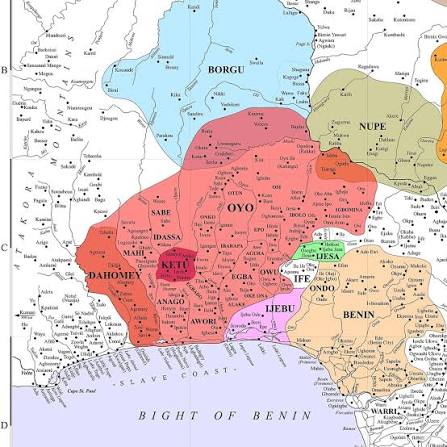
Yoruba Kingdoms Before European Contact
Introduction
Long before European explorers, traders, missionaries, and colonial officials arrived in West Africa, the Yoruba people had already established some of the continent’s most sophisticated political systems and urban civilizations. Across what is now southwestern Nigeria and parts of neighboring countries, numerous Yoruba kingdoms flourished, developing advanced institutions of governance, thriving economies, remarkable artistic traditions, and complex social structures.
Contrary to outdated colonial-era assumptions that African societies lacked organization before European contact, the history of the Yoruba demonstrates a high degree of political sophistication and cultural achievement. Yoruba kingdoms governed large populations, maintained diplomatic relations, controlled trade networks, administered justice, and produced some of Africa’s finest artistic works. This article explores the major Yoruba kingdoms before European contact and examines the political, economic, social, and cultural foundations of their success.

The Meaning of “Yoruba Kingdoms”
The term “Yoruba kingdoms” refers to a collection of independent but culturally related states that shared:
- A common language
- Similar traditions
- Religious beliefs
- Historical narratives
- Connections to Ile-Ife and Oduduwa
Unlike a single centralized empire, Yorubaland consisted of numerous autonomous kingdoms and city-states. Each possessed:
- Its own ruler
- Political institutions
- Military forces
- Economic systems
- Religious practices
Despite their independence, these kingdoms recognized shared cultural origins and maintained extensive interactions with one another.
The Central Importance of Ile-Ife
At the heart of Yoruba civilization stood Ile-Ife. According to tradition, Ile-Ife was the birthplace of humanity and the location where Oduduwa established the first Yoruba kingdom. Whether viewed through mythology or history, Ife became the spiritual and cultural center of Yorubaland. Its influence extended through:
- Religion
- Art
- Kingship traditions
- Political legitimacy
- Cultural identity
Many Yoruba rulers traced their ancestry to Ile-Ife, reinforcing the city’s position as the ancestral homeland of the Yoruba people.
The Kingdom of Ife
The Kingdom of Ife was among the earliest and most influential Yoruba states. Several characteristics distinguished Ife:
Religious Leadership
Ife served as the spiritual center of Yorubaland.
Artistic Excellence
The city became famous for its bronze and terracotta sculptures.
Political Influence
Its royal traditions shaped governance throughout the region.
Urban Development
Ife grew into a major urban center with organized administration and commercial activity. The kingdom’s cultural influence far exceeded its territorial size. Its achievements laid the foundation for later Yoruba states.
The Rise of Oyo
Among all Yoruba kingdoms, Oyo eventually became the most powerful politically and militarily. Located in the northern savannah region, Oyo benefited from:
- Access to trade routes
- Suitable terrain for cavalry warfare
- Agricultural resources
- Strategic geographic positioning
The kingdom developed strong institutions that enabled it to expand into a major empire. Long before European contact, Oyo had already established itself as a dominant force in West Africa. Its influence reached well beyond Yorubaland.
The Alaafin and Oyo Governance
The ruler of Oyo was known as the Alaafin. Unlike absolute monarchies, Oyo developed a sophisticated system of checks and balances. Political authority was shared among:
- The Alaafin
- The Oyo Mesi (Council of Chiefs)
- Religious leaders
- Military officials
This structure helped ensure stability and accountability. The political sophistication of Oyo impressed later observers and remains one of the most notable features of Yoruba governance.
The Kingdom of Ijebu
The Ijebu Kingdom occupied a strategic location between inland Yoruba communities and the Atlantic coast. Its prosperity was based largely on trade. The Ijebu became renowned for:
- Commercial expertise
- Market organization
- Diplomatic skill
- Wealth generation
Control of trade routes allowed Ijebu merchants to accumulate significant economic influence.The kingdom developed strong institutions capable of managing commerce and maintaining political stability.
The Kingdom of Ondo
The Kingdom of Ondo traced its origins to traditions associated with descendants of Oduduwa. Situated in eastern Yorubaland, Ondo developed into a prosperous and well-organized state. Key features included:
- Stable governance
- Agricultural productivity
- Strong royal institutions
- Cultural vitality
Ondo maintained close cultural connections with other Yoruba states while preserving its unique identity. The kingdom became an important regional power.
The Owu Kingdom
The Owu Kingdom was another significant Yoruba state. Located in a strategically important region, Owu developed a reputation for:
- Military capability
- Commercial activity
- Political organization
Like many Yoruba kingdoms, Owu participated in regional trade networks and maintained relations with neighboring communities. later conflicts affected its fortunes, Owu played an important role in pre-colonial Yoruba history.
Ekiti Kingdoms and City-States
The Ekiti region was characterized by numerous independent kingdoms and communities.
Rather than a single centralized authority, the area contained multiple city-states including:
- Ado-Ekiti
- Ikere
- Ijero
- Aramoko
- Ilawe
These communities shared cultural similarities while maintaining political independence.
The mountainous terrain encouraged local autonomy and strong community identities. Ekiti states became known for education, agriculture, and respect for traditional institutions.
The Ijesa Kingdom
The Ijesa Kingdom emerged as an important political and economic center in eastern Yorubaland. Its capital, Ilesa, became known for:
- Trade
- Agriculture
- Craftsmanship
- Religious activities
Ijesa merchants participated actively in regional commerce. The kingdom’s location facilitated interactions with neighboring communities and contributed to its prosperity.
Ketu and Western Yoruba Kingdoms
Beyond the boundaries of present-day Nigeria, Yoruba kingdoms flourished in areas now part of Benin. Among the most important was Ketu. Ketu maintained strong cultural ties with Ile-Ife and preserved traditions associated with Oduduwa. The kingdom served as a bridge between Yoruba communities and neighboring societies. Its history demonstrates the broad geographic reach of Yoruba civilization.
Political Organization Before European Contact
One of the most impressive aspects of Yoruba kingdoms was their political sophistication. Most states featured:
Kings
Monarchs served as symbolic and political leaders.
Councils
Chiefs advised rulers and participated in governance.
Religious Authorities
Priests played important roles in public life.
Community Institutions
Associations represented various social and economic interests. These structures created systems of shared authority that promoted stability and accountability.
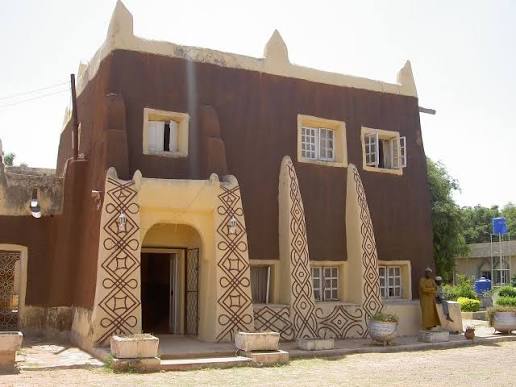
Urbanization in Yorubaland
Long before European contact, Yorubaland was one of the most urbanized regions in Africa. Major cities contained:
- Large populations
- Organized neighborhoods
- Market centers
- Royal palaces
- Religious shrines
- Administrative facilities
Some cities were protected by walls and earthworks. Urban development reflected the organizational capacity of Yoruba societies. The scale of these settlements surprised many early European visitors.
Economic Foundations
The prosperity of Yoruba kingdoms rested on diverse economic activities.
Agriculture
Farmers cultivated:
- Yam
- Cassava
- Maize
- Vegetables
- Palm products
Trade
Merchants exchanged goods across extensive networks.
Craft Production
Artisans specialized in:
- Metalworking
- Weaving
- Pottery
- Sculpture
- Bead making
Taxation
Governments collected revenues to support public administration. These economic activities generated wealth and encouraged urban growth.
Markets and Commerce
Markets were central to Yoruba society. They served as:
- Economic centers
- Social gathering places
- Information hubs
- Cultural meeting points
Women played particularly important roles in market activities. Many became influential traders whose economic power contributed significantly to community development. The vitality of Yoruba markets helped sustain regional prosperity.
Religion and Spiritual Life
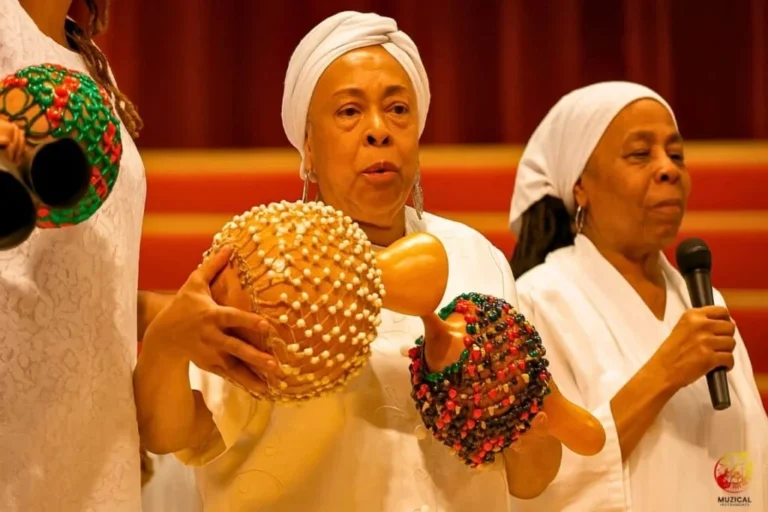
Traditional Yoruba religion influenced every aspect of society. Beliefs centered on:
- Olodumare, the Supreme Creator
- Various Orisha
- Ancestor veneration
- Moral responsibility
- Community harmony
Religious institutions supported governance, education, and social cohesion. Festivals reinforced cultural identity and strengthened communal bonds. Religion served as both a spiritual and social foundation for Yoruba civilization.
Art and Cultural Achievement
Pre-colonial Yoruba kingdoms produced some of Africa’s most celebrated artistic works. Achievements included:
Bronze Sculpture
Particularly associated with Ife.
Terracotta Art
Known for realism and technical excellence.
Wood Carving
Used in religious and ceremonial contexts.
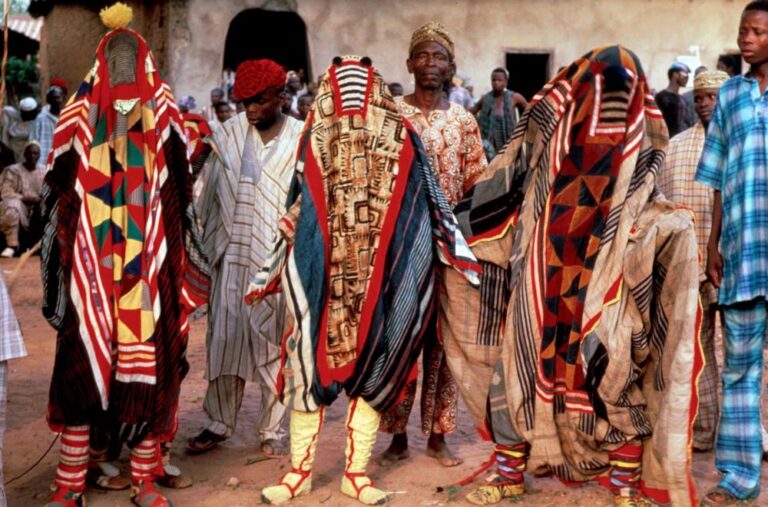
Textile Production
Reflecting both skill and creativity. These artistic traditions continue to influence contemporary culture.
Education and Knowledge Systems
Knowledge was transmitted through:
- Oral traditions
- Apprenticeships
- Family instruction
- Religious training
Young people learned:
- History
- Ethics
- Governance
- Craft skills
- Agricultural practices
This educational system preserved cultural values and practical knowledge. It ensured continuity across generations.
Diplomacy and International Relations
Yoruba kingdoms maintained relations with neighboring states through:
- Trade agreements
- Alliances
- Marriages
- Diplomatic missions
These interactions promoted economic growth and political stability. Diplomacy played an important role in managing conflicts and fostering cooperation. The existence of such relationships reflects the sophistication of Yoruba political culture.
Common Misconceptions
For many years, colonial narratives underestimated the achievements of African societies. Modern scholarship has demonstrated that Yoruba kingdoms possessed:
- Complex governments
- Advanced economies
- Urban centers
- Rich cultural traditions
- Effective institutions
The evidence clearly shows that Yoruba civilization was highly developed before European contact. Understanding this reality is essential to appreciating African history.
Legacy of the Pre-Colonial Kingdoms
The influence of these kingdoms remains visible today. Their contributions include:
- Traditional leadership institutions
- Cultural festivals
- Artistic traditions
- Religious practices
- Governance models
- Historical identity
Modern Yoruba society continues to draw inspiration from these achievements. The legacy of the kingdoms remains a source of pride throughout Yorubaland.
Conclusion
Before European contact, the Yoruba people had already built one of Africa’s most sophisticated civilizations. Through kingdoms such as Ife, Oyo, Ijebu, Ondo, Owu, Ijesa, and Ketu, they developed advanced systems of governance, vibrant economies, thriving urban centers, and enduring cultural traditions.
These kingdoms demonstrated remarkable political organization, artistic excellence, and commercial success. Their achievements challenge outdated assumptions about pre-colonial Africa and highlight the richness of Yoruba history.
The story of the Yoruba kingdoms before European contact is ultimately a story of creativity, leadership, innovation, and resilience. It remains one of the most important chapters in the history of Africa and continues to inspire generations of Yoruba people around the world.